Trump unveils 200% tariff on generic drugs, effective 2028
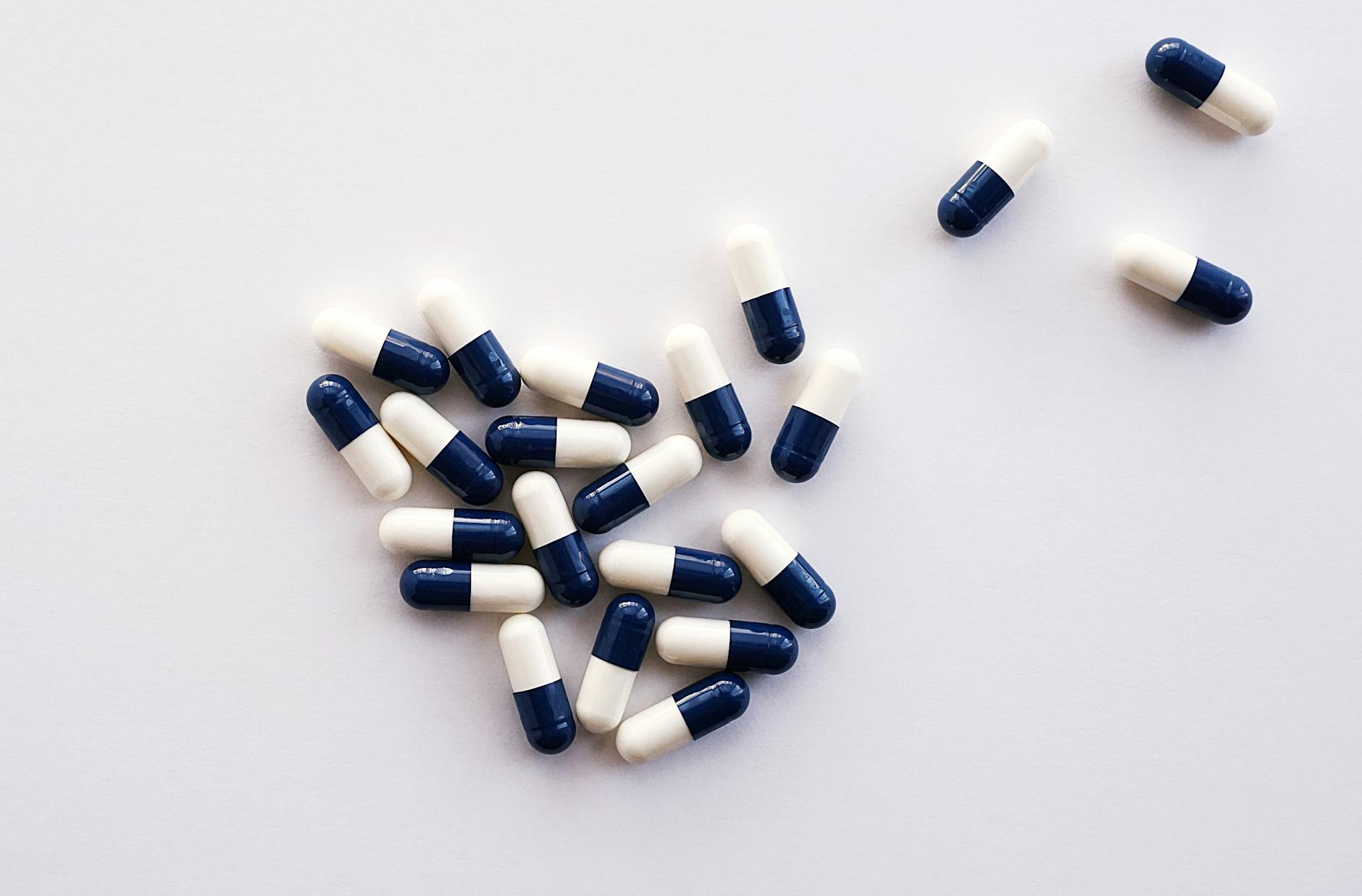
President Trump announced a dramatic new tariff on imported generic drugs, set to begin at 100% in August 2028 and rise to 200% the following year, aiming to force pharmaceutical production back to the United States.
President Donald Trump announced on Tuesday a sweeping new tariff on imported generic drugs, set to take effect in 2028, in a dramatic reversal of his own recent policy. The tariffs, which Trump described as a tool to compel drug manufacturers to build plants in the United States, would begin at 100% on August 1, 2028, and escalate to 200% after one year. The announcement, made via social media, comes just three months after Trump issued a proclamation stating that generic pharmaceuticals “are not subject to tariffs at this time” and that the decision would be reassessed in a year. The new timeline effectively gives drug makers a five-year window to relocate production before the steep penalties kick in.
A timeline of escalating tariffs
Under the plan, generic drugs imported from overseas will remain tariff-free until August 1, 2028. At that point, a 100% tariff will be imposed for a one-year period. Starting August 1, 2029, the tariff will rise to 200%. Trump did not specify the legal authority he is claiming to impose these future tariffs, particularly the 200% level, which would take effect six months after the end of his final term if he is not re-elected. The lack of legal clarity has already raised questions about whether the policy could be enforced or reversed by a future administration.

A head-spinning reversal
Tuesday’s announcement marks a stark reversal from Trump’s stance just three months earlier. In a proclamation issued in February 2025, Trump had explicitly excluded generic drugs from new tariffs, opting instead to review the policy after one year. That proclamation was seen as a temporary reprieve for the generic drug industry, which relies heavily on overseas manufacturing, particularly in India and China. Now, with a five-year phase-in, the administration appears to be giving drug makers a clear deadline to shift production. Industry analysts note that building pharmaceutical plants is capital-intensive and time-consuming, often requiring years of regulatory approvals.
Implications for drug prices and supply chain
The tariffs are intended to force companies to manufacture generic drugs in the United States, reducing reliance on foreign supply chains. However, critics warn that the policy could lead to higher drug prices for consumers, at least in the short term. Generic drugs account for about 90% of prescriptions filled in the U.S., and most are produced abroad. A 200% tariff would effectively double the cost of many imported generics, which could be passed on to patients and insurers. Supporters argue that domestic production would eventually stabilize prices and improve supply security, especially for critical medications.
Political and legal uncertainties
The timing of the tariffs—beyond the current presidential term—has injected an element of political uncertainty. A future president could easily rescind the order before it takes effect. Moreover, Trump did not cite any specific legal authority, such as the International Emergency Economic Powers Act or Section 301 of the Trade Act, which have been used for other tariffs. Legal challenges are likely, and the policy may face hurdles in court if it is seen as exceeding executive authority. The announcement also drew swift criticism from pharmaceutical trade groups, who argue that the tariffs will disrupt supply chains without achieving the intended goal of reshoring production.
Looking ahead, the generic drug industry will closely monitor any further details from the administration, including a possible formal notice in the Federal Register. For now, the five-year runway provides a window for negotiation and potential legal battles. Whether the tariffs ever take effect may depend on the outcome of the next presidential election and the willingness of Congress to weigh in on trade policy.