Veterans slam Trump admin's Iran casualty reclassification as 'disrespect'

Pentagon quietly reclassifies four Iran war deaths as 'Overseas Operations', drawing fury from veterans and lawmakers.
The Pentagon has quietly revised its casualty database to reclassify four US service members killed in Iran-related operations under a new category labeled "Overseas Operations," a move that veterans and lawmakers are decrying as a deliberate attempt to downplay the true cost of the conflict. The change, made over a weekend without public announcement, splits the casualty count for the US-Israel war on Iran into two periods: one starting in April and a second beginning July 7. Critics argue this administrative maneuver obscures the fact that these deaths occurred in the same sustained military campaign.
Background of the reclassification
The Department of Defense, recently renamed the Department of War under President Donald Trump, updated the Defense Casualty Analysis System (DCAS) to introduce the new casualty category, which includes 1st Lt Tyler James Feehan, Pvt Isabella Gonzales, Sgt Angel S. Rampersad, and Sgt Michael Emmanuel Swinton. All four were killed by Iranian forces. The reclassification aligns with the Trump administration's interpretation of the War Powers Act, which they argue allows them to reset the 60-day clock after a ceasefire in April. Opponents, however, see it as a legal loophole to avoid congressional authorization and accountability.
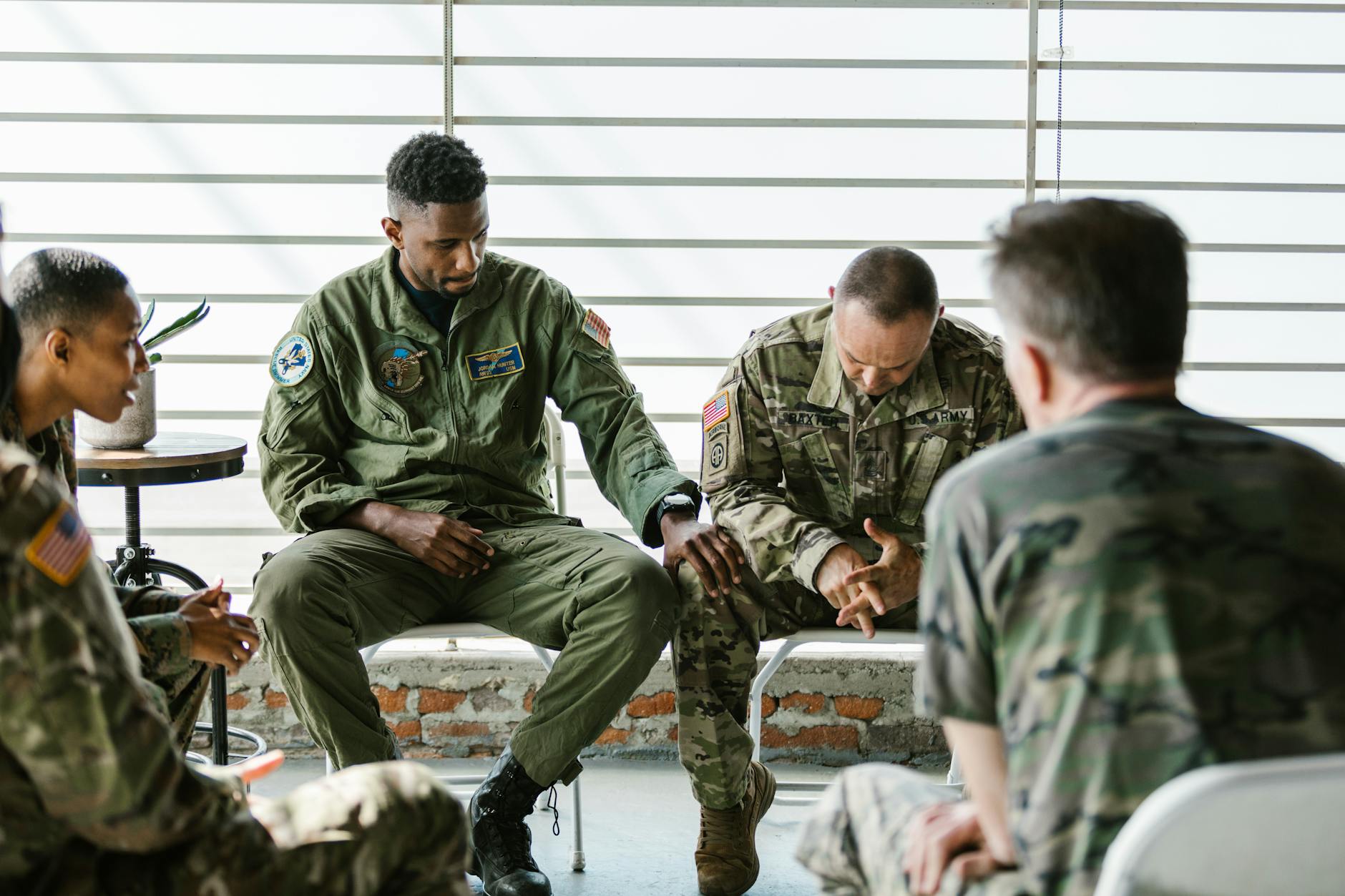
Veterans' reactions
Retired Rear Admiral Michael E. Smith, founder of National Security Leaders for America, called the move "such a huge disrespect for the families." He noted that claiming these service members weren't killed as a result of the war but rather "overseas operations" is ludicrous. Marine Corps veteran Tristeza Ordex, national organizer at VoteVets, expressed deep emotional impact, especially thinking of Pvt Gonzales, who was 19 years old and from her home region. "Not only are Latinos being excluded from so much more and being targeted: we have this person that paid the ultimate sacrifice for this country who isn't even being recognized as a casualty of this war, so it feels like erasure," Ordex said.
Historical comparisons and legal implications
Smith likened the data manipulation to tactics used during the Vietnam War, when casualty figures were altered to downplay losses. He argued that the only reason these service members died is because President Trump decided to wage an illegal war, and that the administration is sensitive about death tolls, leading to efforts to make the numbers appear smaller. The reclassification has also drawn criticism from Republican lawmakers. Rep. Thomas Massie of Kentucky, who lost his primary earlier this year, wrote on X that the Pentagon is "pretending there have been two Iran wars separated by a brief cease-fire," calling it an absurd ruse.

Forward-looking consequences
This bureaucratic change is likely to fuel ongoing debates about the legality and transparency of the US military campaign in Iran. As the administration continues to argue that the ceasefire paused the War Powers Act clock, congressional oversight remains limited. Veterans and advocacy groups are calling for the reversal of the reclassification and for full accountability. The controversy underscores the deep divisions over how the Trump administration has conducted foreign policy, with critics accusing it of using administrative sleight of hand to avoid scrutiny of the war's human cost.