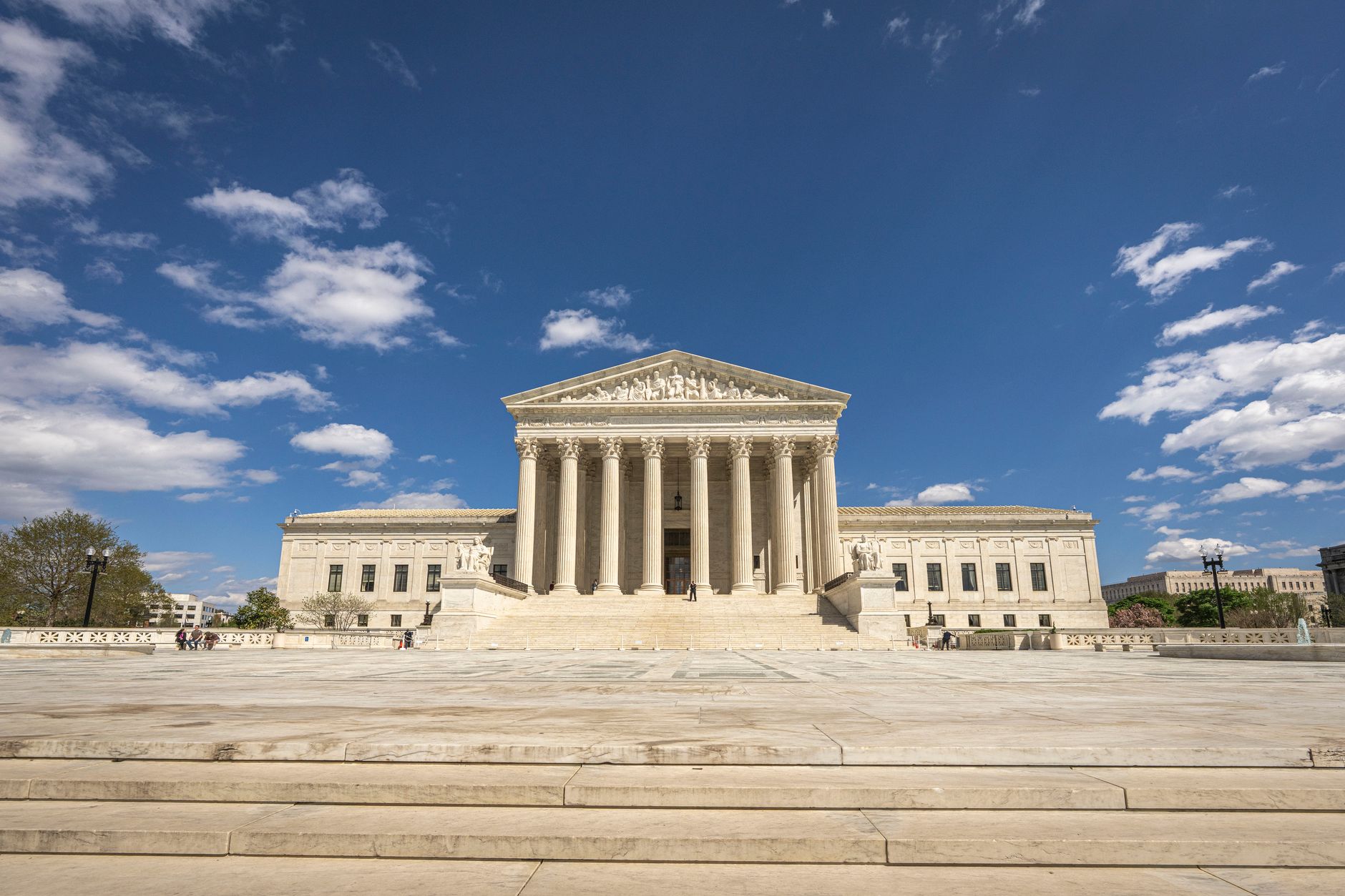
Trump administration urges Supreme Court to allow mail-in voting order

The Trump administration asked the Supreme Court to let an executive order targeting mail-in voting take effect after lower courts blocked it in nearly half the country.
The Trump administration on Monday asked the Supreme Court to allow an executive order that could fundamentally alter mail-in voting ahead of November's midterm elections, after federal courts blocked the measure in 23 states and the District of Columbia.
The Executive Order and Legal Challenge
President Donald Trump's March executive order directs the government to compile a “state citizenship list” of eligible voters and to deliver mail ballots only to people on that list. The order asserts that the president has authority to set election rules, a claim disputed by Democratic officials who filed lawsuits in 23 states and the District of Columbia. The plaintiffs argue that the Constitution grants states and Congress the power to regulate elections, not the president, and that the order could lead to widespread disenfranchisement and administrative chaos.
A federal judge in Massachusetts issued a nationwide injunction blocking the order, and a divided panel of the 1st U.S. Circuit Court of Appeals upheld that decision over the weekend. The Justice Department then filed an emergency application with the Supreme Court, asking the justices to pause the lower court rulings and allow the order to take effect while litigation continues.

Context and Stakes
The request comes as President Trump has escalated his rhetoric casting doubt on the integrity of elections, a theme he has emphasized for years. In a recent address, he amplified concerns about voter fraud and election security, though evidence of widespread fraud has not been substantiated. The outcome of this Supreme Court challenge could have significant implications for mail-in voting, a method used by millions of Americans, particularly in the midst of the high-stakes midterm campaign that will determine control of Congress and many state governments.
Critics warn that restricting mail ballots to a government-compiled list could disenfranchise eligible voters, especially those from minority communities or those who recently moved. They also say the order places an undue burden on election officials, who would have to cross-check voter rolls against a new federal list in a short timeframe.
Supreme Court's Role and Next Steps
The Supreme Court is now under pressure to act quickly, as election preparations are already underway in many states. The case is one of several voting-related disputes likely to reach the high court ahead of the midterms, including challenges to redistricting maps and voter ID laws. The justices could decide to grant the administration's request, which would allow the order to be enforced in the plaintiff states while the appeals process continues, or they could deny it, leaving the lower court injunctions in place.
Legal experts note that the Supreme Court often shows deference to state election officials and has previously ruled against broad federal intervention in election administration. The Trump administration's filing argues that the lower courts overstepped by blocking a lawful exercise of presidential authority, but observers say the case raises fundamental questions about the separation of powers and the proper role of the federal government in elections.
As the court weighs the emergency application, election officials in the affected states are bracing for potential disruptions. If the order is allowed, they would face the daunting task of validating voter eligibility against a new list just months before ballots are cast.