All Spirits: A Political Ballet for Israel's Age of War

Seven choreographers, one pianist, and a wordplay that puns on 'to hell with it' — this dance piece turns Israel's endless war into a poignant palindrome.
Seven choreographers, one live pianist, and a structure that loops back on itself like a palindrome: this is the ambitious formula behind “All Spirits” (Kol HaRuchot), a new political ballet in Israel that refuses to let go of the conflict it reflects. The Hebrew title plays on the colloquial expression “To hell with it!”, transforming a shrug of despair into a defiant work of art. In an era of prolonged war, the piece asks what it means to keep moving forward when the ending never arrives.
The Meanings Hidden in a Name
The wordplay is the first clue. “Kol HaRuchot” literally translates as “all the spirits” or “all the winds”, but its phonetic echo of a common Hebrew curse gives it a double edge. That ambiguity runs through the entire production, which balances rage and tenderness, exhaustion and resilience. The title is not just a label but a statement: this work intends to hold conflicting emotions at once.
A Palindrome That Refuses to End
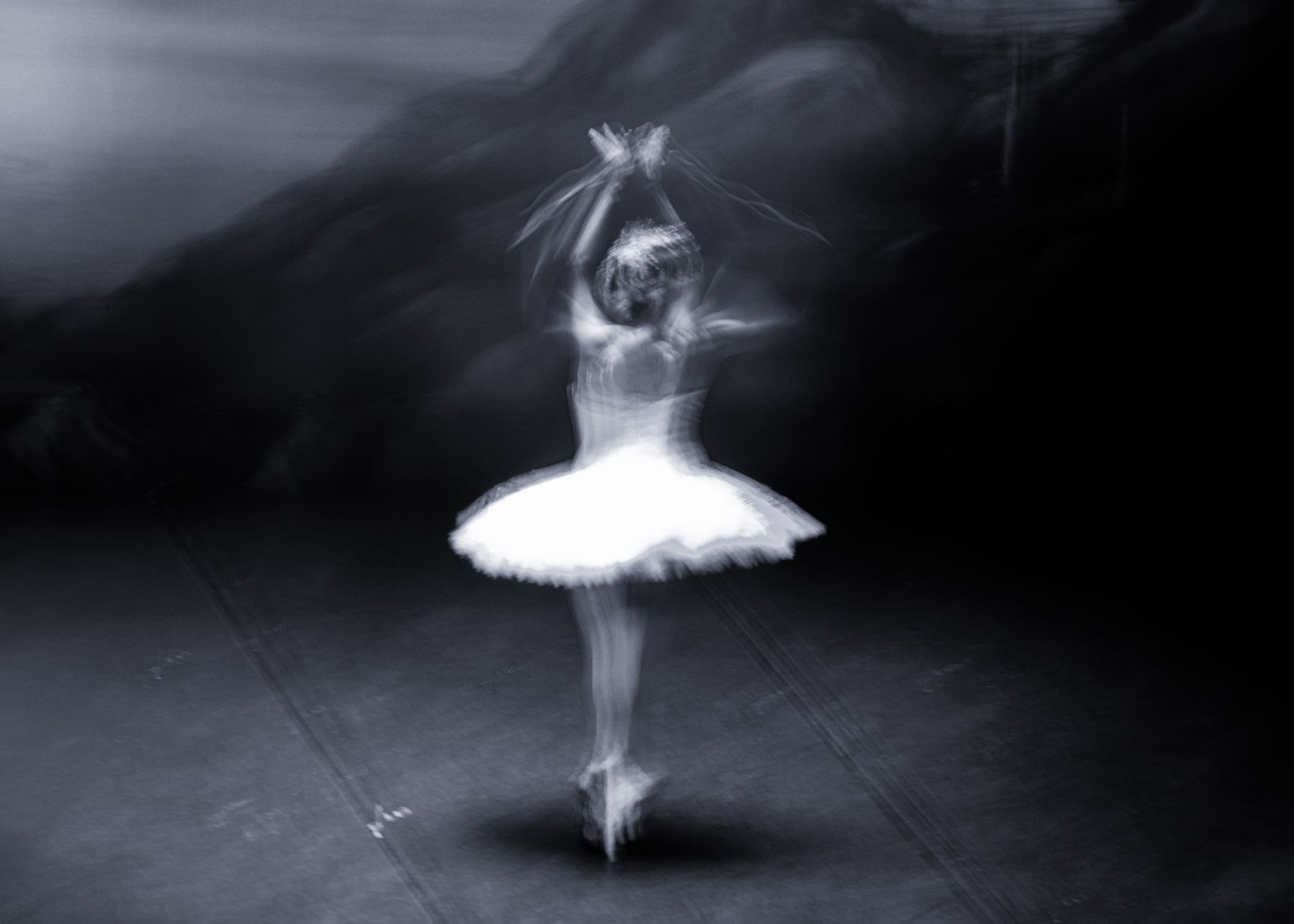
The choreographic structure is built like a palindrome — a sequence that reads the same forward and backward. Yet the creators deliberately avoid a clean resolution. Dancers move through mirrored phrases, only to break the pattern at the last moment, suggesting that in a long-running conflict, cycles may loop without closing. The presence of a single live pianist underscores the repetition, with musical motifs returning in variations that never quite settle.
Seven Choreographers, One Collective Voice
Collaborating with seven choreographers could have resulted in a disjointed evening. Instead, the production draws strength from its multiplicity. Each section offers a different viewpoint on the same reality — soldiers, civilians, those who stay, those who flee. The shared piano creates a thread of continuity, reminding audiences that even divided perspectives can share a foundation. This approach is particularly resonant in Israel, where public discourse often fractures along political lines. The dance does not pretend to offer solutions. Instead, it insists on asking questions, pushing audiences to sit with discomfort rather than turn away.

Dancing Through Wartime
Bringing a new ballet to the stage during wartime is itself a political act. The production takes sides — not with any party or faction, but with the act of creation itself. In a country where news cycles are dominated by violence and loss, filling a theatre with music and movement is a statement about what deserves attention and care. The piece also nods to the limits of art. A palindrome that refuses to end is a commentary on how closure can feel impossible. The audience leaves not with answers, but with a deeper awareness of the ongoing present — a space where war and hope coexist, and where spirits, however battered, remain in motion.
As Israel’s war continues, works like “All Spirits” offer a mirror and a refuge. They remind us that even when events feel uncontrollable, the act of telling stories through the body can be a small form of resistance. The show is part of a broader conversation about how artists respond to national trauma, and it will likely join the expanding archive of cultural responses to this period.