King David Hotel bombing: 80 years on, the blast still echoes
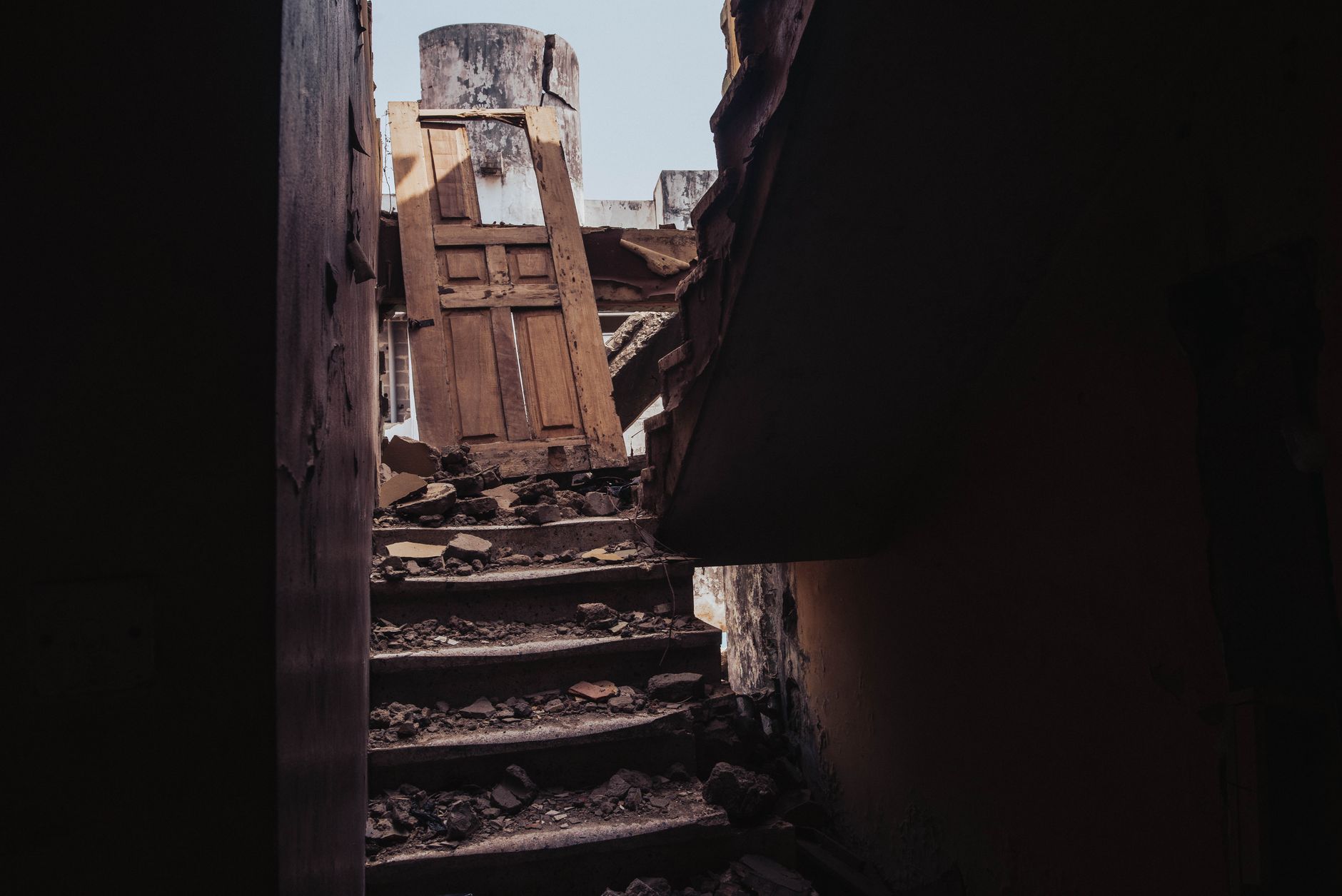
The 1946 bombing of the King David Hotel in Jerusalem was a pivotal event in the struggle for Israel's independence. Eight decades later, its legacy remains fiercely debated.
On July 22, 1946, a bomb planted by the Jewish underground group Irgun ripped through the southern wing of the King David Hotel in Jerusalem, killing 91 people and wounding dozens more. The British administrative and military headquarters, housed in the hotel, was devastated. Eighty years later, the attack remains one of the most controversial episodes in the pre-state period, its memory still reverberating in Israeli and British narratives.
The context of rebellion
After World War II, the British Mandate for Palestine was under increasing pressure. Jewish resistance groups, including the Irgun and Lehi, were escalating attacks against British forces and institutions, demanding an end to restrictions on Jewish immigration and the establishment of a Jewish state. The King David Hotel was chosen as a target because it housed the Secretariat of the Government of Palestine and the British Army headquarters. The Irgun saw it as a symbol of British authority and a military target.
The attack and its aftermath
The bombing was meticulously planned. Irgun operatives, disguised as hotel staff, smuggled milk churns filled with explosives into the hotel basement. Warnings were reportedly given by telephone to the hotel switchboard and the French consulate, but the evacuation was not carried out. The explosion, which occurred at 12:37 p.m., collapsed the entire southern wing of the building, burying victims under rubble. The death toll shocked the world and sparked widespread condemnation. Among the dead were 41 Arabs, 28 British civilians and military personnel, 17 Jews, and 5 others.
Controversy and legacy
Immediately after the bombing, the Irgun claimed responsibility, but the attack was condemned by the mainstream Jewish leadership, including the Jewish Agency and the Haganah. David Ben-Gurion, then head of the Jewish Agency, called it a 'disgraceful act of terrorism.' The British launched a massive manhunt and imposed curfews, but the Irgun continued its campaign. The debate over whether the King David Hotel bombing was a legitimate act of war or an act of terrorism has persisted for decades. Some historians argue that it was a military necessity that hastened the British withdrawal, while others see it as a reckless attack on civilians that violated ethical norms.

80 years on: shifting perspectives
Modern Israeli society remains divided over the event. The Irgun's other leader, Menachem Begin, later became prime minister, and his role in the bombing was sometimes glossed over during his tenure. In recent years, some Israeli officials have attended commemoration ceremonies for the victims, including British survivors. In Britain, the bombing is often cited as an early example of terrorism in the Middle East. The 80th anniversary has prompted renewed reflection, with historians revisiting the intelligence failures and moral calculus. The King David Hotel bombing remains a cautionary tale about the complexities of armed struggle and the blurred lines between resistance and terror.