Parasite Outbreak: Taylor Farms Recalls Iceberg Lettuce; Taco Bell Pulls All
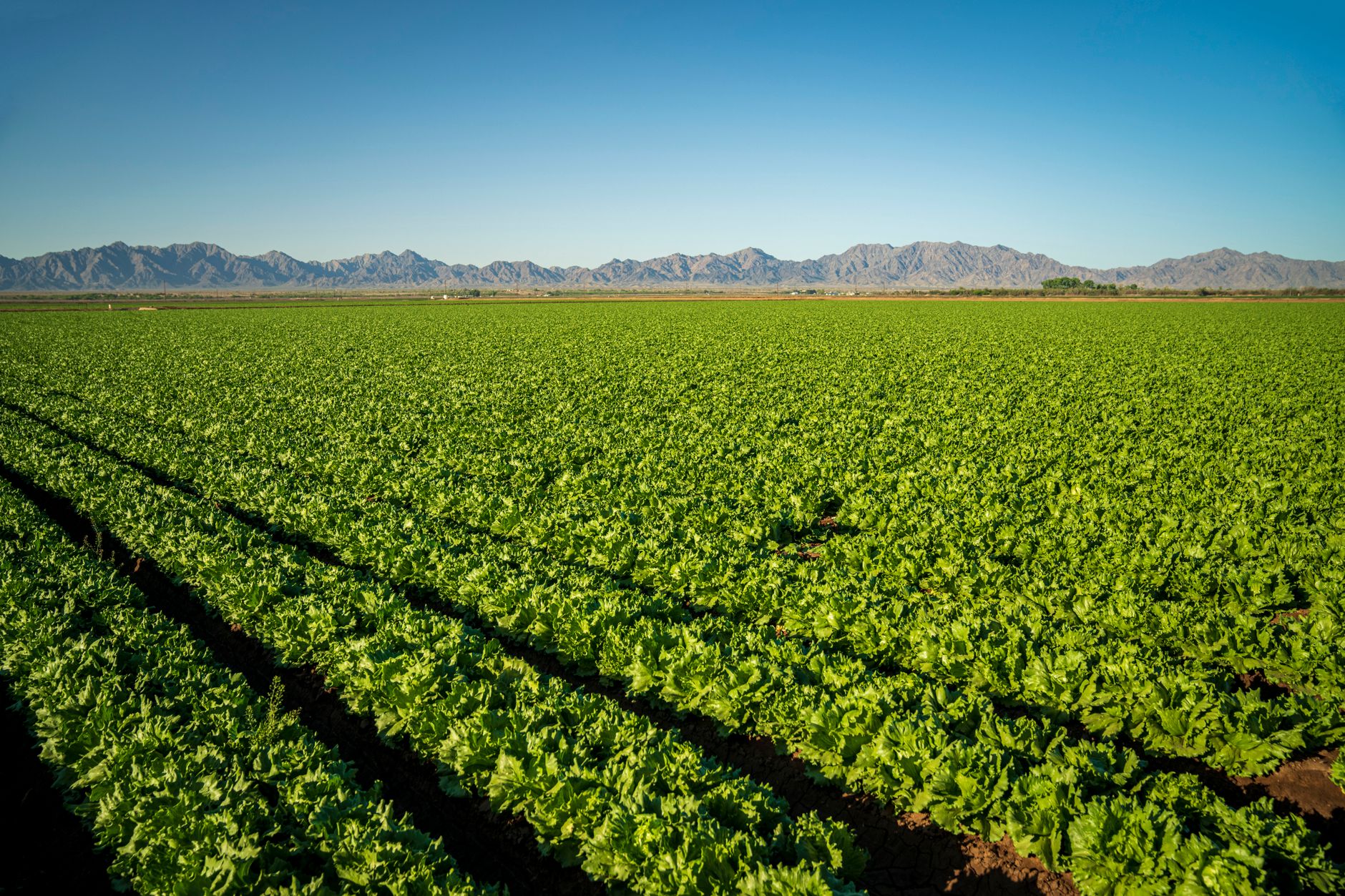
Taylor Farms voluntarily recalls all iceberg lettuce from a Mexican farm amid a parasite outbreak. Taco Bell removes the lettuce from its restaurants and supply chain nationwide.
Taylor Farms, a major produce supplier, announced a voluntary recall of all iceberg lettuce sourced from a single Mexican farm following a parasite outbreak that has prompted concerns across the food industry. Taco Bell, one of the largest quick-service restaurant chains in the United States, confirmed it has removed all Taylor Farms lettuce from its restaurants and supply chain nationwide. The move comes as public health officials investigate the source of the outbreak, which has sickened an undisclosed number of individuals.
Recall Details and Scope
In a statement released Tuesday, Taylor Farms said it is proactively removing all iceberg lettuce from the U.S. market that originated from one farm in Mexico. The company emphasized that the recall is voluntary and limited to products from that specific farm, though it did not disclose the farm's name or location. The recall covers all iceberg lettuce distributed by Taylor Farms, including products sold to retailers, food service providers, and other commercial customers.
NBC News’ Anne Thompson reported that the decision was made in coordination with federal health agencies, though the U.S. Food and Drug Administration (FDA) has not yet issued a formal recall or warning. Taylor Farms stated that it is working closely with authorities to identify the exact cause of the contamination and to prevent further distribution of affected products.

Taco Bell’s Swift Response
Taco Bell, which uses Taylor Farms lettuce in many of its menu items, announced that it has removed all Taylor Farms lettuce from its restaurants and supply chain nationwide as a precautionary measure. The chain, known for its tacos, burritos, and salads, said it is sourcing lettuce from alternative suppliers to minimize disruption. Taco Bell’s quick action underscores the gravity of the situation, as the chain operates over 7,000 locations in the United States.
Neither Taylor Farms nor Taco Bell has disclosed the specific parasite involved in the outbreak. Common parasites linked to produce contamination include Cyclospora, which can cause prolonged gastrointestinal illness, and E. coli, though bacteria and viruses are also possible. Health officials have not yet confirmed the pathogen, but the recall suggests a concerted effort to contain any potential spread.
Impact on Consumers and the Industry
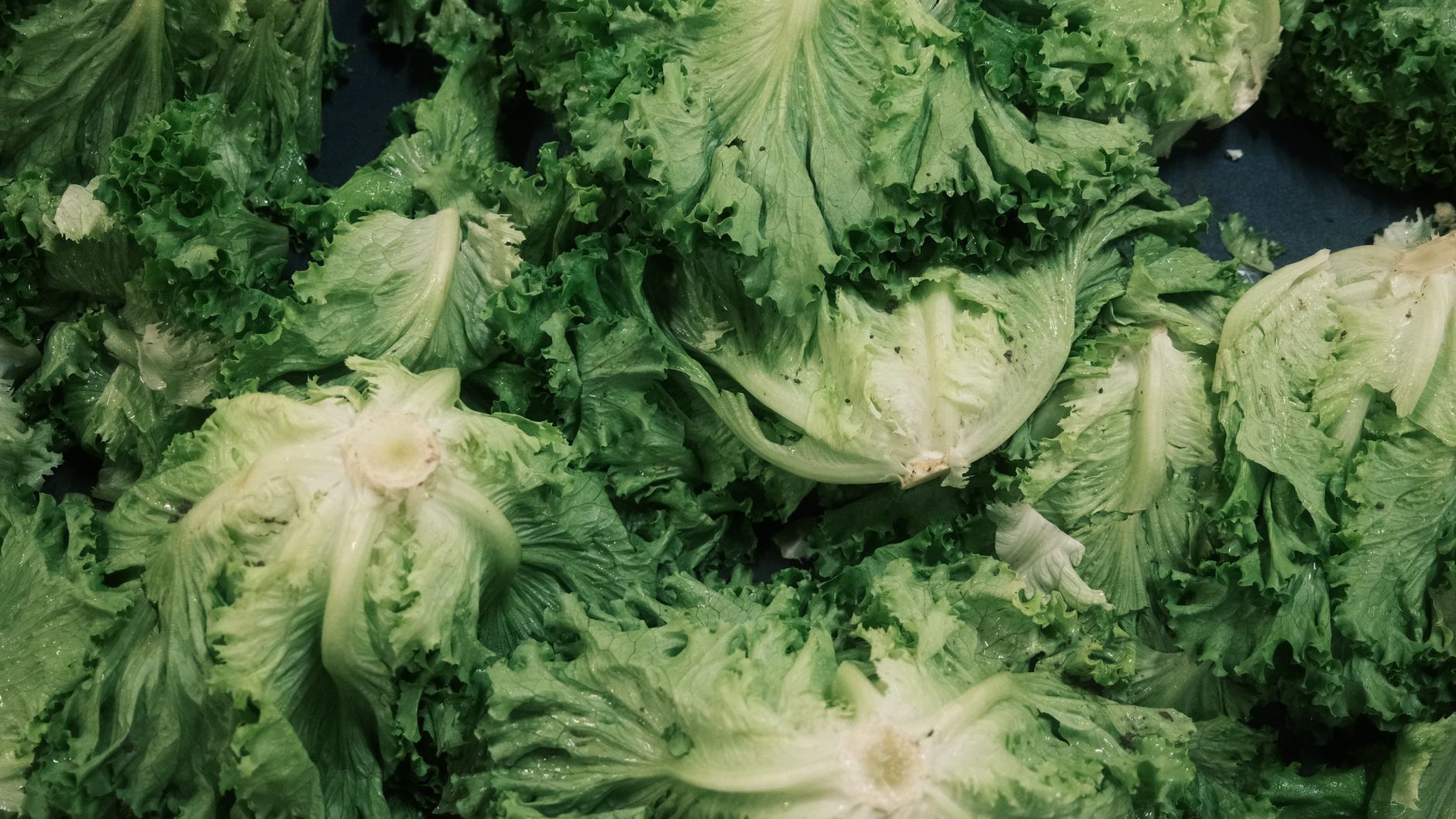
Consumers are advised to check their refrigerators for any iceberg lettuce products from Taylor Farms and dispose of them immediately. The recall affects not only whole heads of lettuce but also pre-packaged salads, mixes, and other products containing iceberg lettuce from the implicated farm. Retailers and food service operators have been instructed to remove affected items from shelves and menus.
The recall is the latest in a series of produce-related outbreaks that have plagued the industry in recent years. Leafy greens, including lettuce, are particularly vulnerable to contamination due to their growing conditions and minimal processing. The incident highlights the challenges of supply chain traceability and the reliance on a few large farms, raising questions about food safety protocols and the need for more robust testing.
Looking Ahead
As investigations continue, Taylor Farms has pledged to implement additional safety measures at its facilities and with its suppliers. The company expects the recall to be short-lived, but the full economic impact will depend on the duration and scope of the outbreak. Taco Bell and other companies that use Taylor Farms products are likely to scrutinize their sourcing practices more closely.
Public health officials urge anyone experiencing symptoms such as diarrhea, nausea, or fever after consuming iceberg lettuce to seek medical attention and report their illness to local health departments. The FDA is expected to release more information as the investigation progresses, including the identity of the parasite and the number of confirmed cases. For now, the recall serves as a reminder of the importance of vigilance in the food supply chain.