Synagogue Leaders Warn of Antisemitism Surge at Sydney Royal Commission

Jewish leaders testified before the Royal Commission about rising antisemitism following the Bondi attack, warning that unchecked hatred echoes patterns from the past.
Synagogue leaders from across Sydney appeared before the state’s Royal Commission into Antisemitism on Monday, delivering harrowing testimony about a surge in anti-Jewish hatred following the recent Bondi attack. The commission, convened in response to the December assault that left multiple victims, heard evidence that the attack has emboldened extremists and deepened fears within the Jewish community.
Bondi Attack Sparks Urgent Inquiry
The Royal Commission was established after a knife-wielding assailant targeted pedestrians at Bondi Beach on December 14, 2025, killing two and injuring several others. Police have described the attack as a suspected antisemitic hate crime, though investigations continue. The incident sent shockwaves through Australia’s Jewish population, which numbers about 100,000, and prompted swift calls for a formal inquiry into the broader climate of antisemitism.
Prime Minister Anthony Albanese announced the Royal Commission within days, tasking it with examining the causes and extent of antisemitism in the country, as well as recommending measures to counter it. The commission has since held hearings in Sydney, Melbourne, and Canberra, collecting testimony from community leaders, law enforcement, and victims.
Testimony from Community Leaders
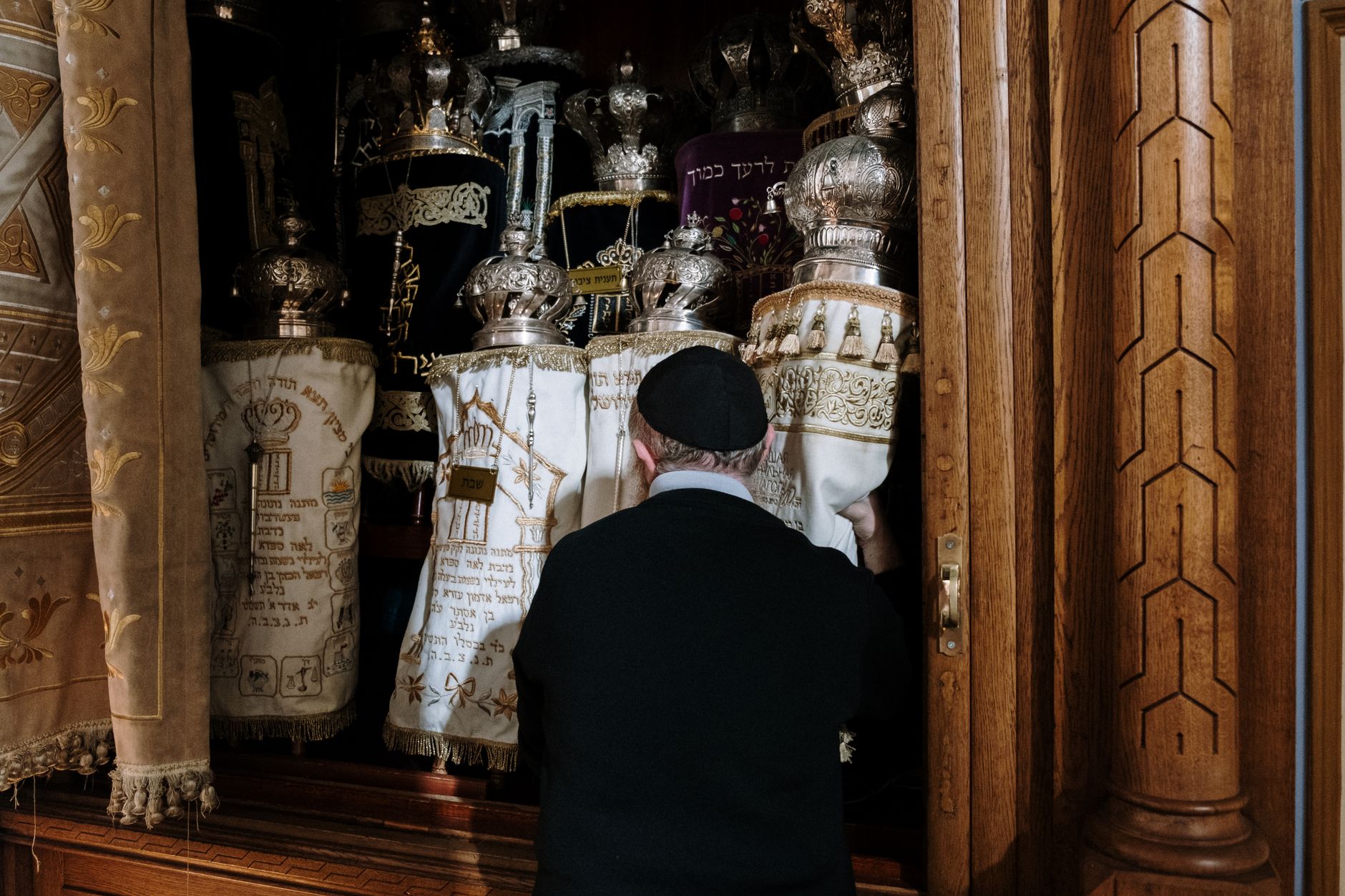
On Monday, representatives from several major synagogues, including the Great Synagogue and the Central Synagogue, took the stand. They described a spike in vandalism, online abuse, and physical intimidation since the Bondi attack. One leader, Rabbi David Freedman of the North Shore Synagogue, told the commission that parents were now afraid to send their children to Jewish schools, while elderly survivors of the Holocaust were reliving trauma.
Among the most striking testimony came from Sarah Foster, a community outreach coordinator, who noted “warning signs that Holocaust survivors, and indeed the Jewish community, recognize because they have seen where such patterns can lead if they’re left unchallenged.” She urged the commission to treat the current surge not as an isolated incident but as part of a historical trajectory of escalating hate.
Historical Parallels and Concerns
Foster’s remarks resonated with commissioners, who have heard similar echoes from other witnesses. The Bondi attack, they noted, occurred just days before Hanukkah, a period that should have been one of celebration. Instead, vigils were held in Sydney and abroad, including a gathering in London organized by the Campaign Against Antisemitism and Chabad UK.
Experts have pointed to a rise in far-right activity and online radicalization as contributing factors. The commission’s interim report, due in March 2026, is expected to outline early recommendations for law enforcement, education, and social media regulation. Jewish leaders have also called for stronger hate crime legislation and better protection for religious institutions.

What Comes Next
The Royal Commission is scheduled to hear from additional witnesses over the coming weeks, including representatives from Muslim and other minority communities who have also faced backlash. The final report, due by June 2026, will shape Australia’s response to antisemitism for years to come. For now, the testimonies from Sydney’s synagogue leaders serve as a stark reminder that the fight against hatred requires vigilance and action.