Sudan: Sudan's Peace Process Is Negotiating a War That No Longer Exists
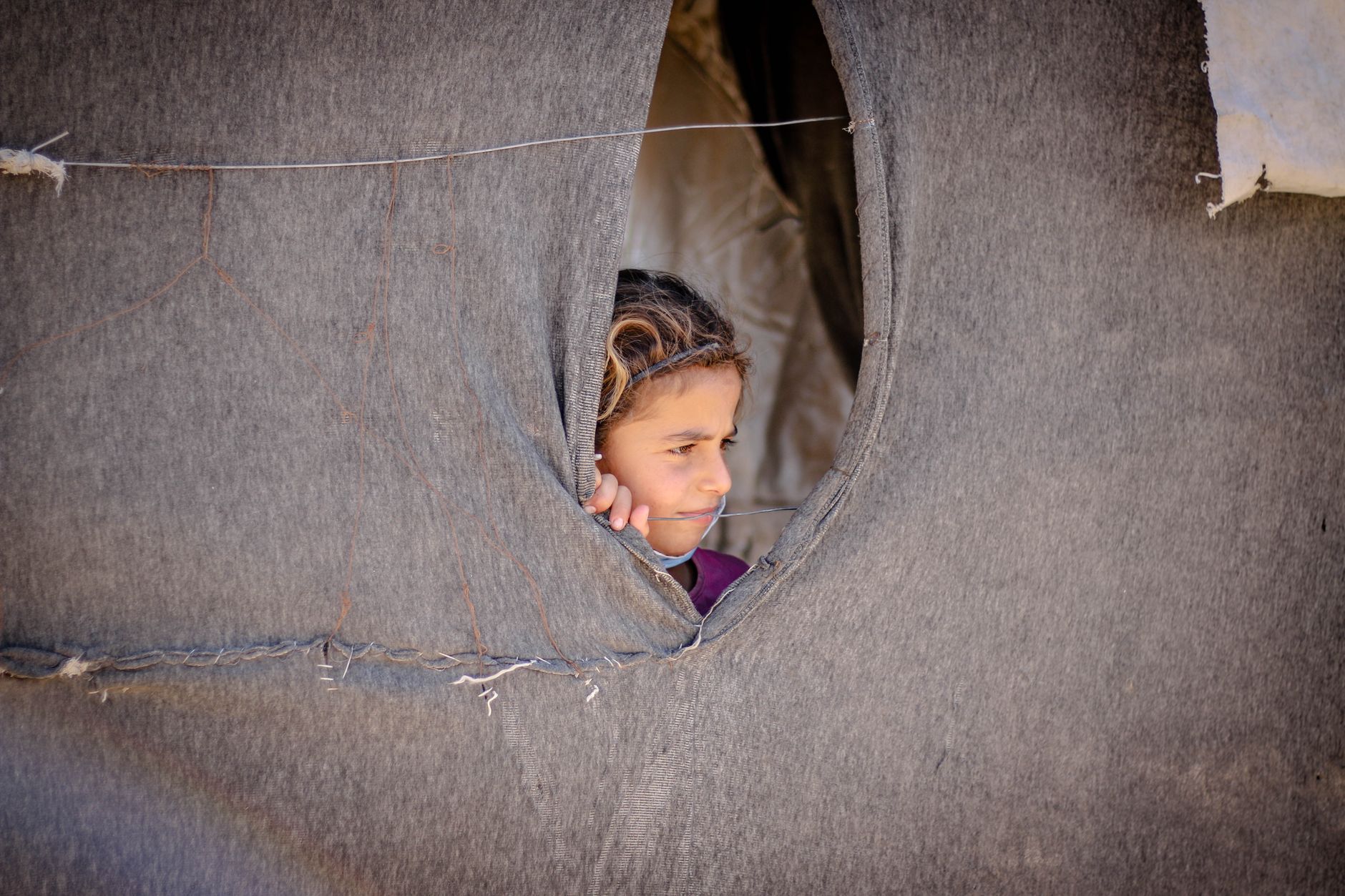
Over three years into Sudan's civil war, the battlefield has shifted dramatically to Darfur and Kordofan, yet peace talks still treat it as a two-sided conflict between the army and RSF.
More than three years since the outbreak of war in Sudan, the conflict's geography has transformed dramatically while international peace efforts remain frozen in time. The Sudanese Armed Forces (SAF) have regained control of Khartoum and much of the north, east, and central regions, but the fighting has shifted westward to Darfur, Kordofan, and Blue Nile, with drone strikes now reaching areas previously considered safe. The war is no longer the straightforward duel between a national army and a paramilitary force that it was in April 2023. Yet most diplomatic initiatives continue to operate under that outdated assumption.
The Shifting Battlefield
The SAF's recovery of Khartoum in early 2024 was a major milestone, but it did not end the war. Instead, the Rapid Support Forces (RSF) relocated to their strongholds in Darfur and Kordofan, where the fighting has intensified. The conflict has splintered into multiple localized battles involving tribal militias, ethnic factions, and foreign mercenaries. Drone attacks have targeted cities like El Fasher and Nyala, while supply lines are contested across vast desert and mountainous terrain. The RSF, though weakened, remains capable of guerrilla-style operations and has established new alliances with local communities. Meanwhile, the SAF has consolidated its hold over the east and center but struggles to project power into the western and southern peripheries.
Peace Talks Trapped in 2023
Diplomatic efforts, led by the United States, Saudi Arabia, and the African Union, have not kept pace with the evolving conflict. Negotiations in Jeddah and elsewhere still frame the war as a bilateral dispute between General Abdel Fattah al-Burhan and RSF leader Mohamed Hamdan Dagalo, known as Hemedti. Mediators expect these two men to negotiate a ceasefire and deliver the forces under their command. But on the ground, the RSF is no longer a unified hierarchy; regional commanders operate with significant autonomy, and local grievances have overtaken the original power struggle. The SAF, too, faces internal divisions and relies on allied militias that are not fully under Burhan's control. By insisting on a two-sided model, peace talks are negotiating a war that no longer exists.
Khartoum's Fragile Recovery
The capital Khartoum illustrates the gap between territorial recovery and political restoration. More than 2 million displaced people have returned to the city, drawn by the relative security provided by the SAF's presence. But the infrastructure is barely functioning: electricity is available only a few hours a day, water systems are damaged, and public institutions like hospitals and schools struggle to operate. The return of civilians does not signal a return to normal governance. The SAF has not been able to reestablish basic services, and local authorities remain fractured. The city's recovery is physical, not institutional, and the underlying tensions that fueled the war are unresolved.
What Comes Next?
As the battlefield continues to evolve, the peace process risks irrelevance. International mediators must recognize that the war is now a multi-layered conflict involving regional powers, ethnic communities, and armed groups beyond the SAF and RSF. Any durable settlement will require engaging local leaders in Darfur and Kordofan, addressing land disputes and resource competition, and building a political framework that includes civilian representation. Without a reset in diplomatic strategy, the talks will remain stuck in April 2023, negotiating a war that has moved on. The next steps are critical: either the peace process adapts to the new reality, or it becomes a footnote in Sudan's long and tragic conflict.