Spain outplay Messi’s Argentina to reach World Cup summit

Spain dominated Argentina 1-0 in a one-sided World Cup final, capping a tournament run as the best team and collecting a clutch of individual prizes.
In a final that showcased the depth of Spanish footballing philosophy, La Roja outclassed Lionel Messi's Argentina 1-0 to claim the World Cup trophy on Sunday. The match, played in front of a capacity crowd, was a testament to Spain's tactical supremacy and collective brilliance, as they controlled proceedings from start to finish. The victory not only secured their nation's third World Cup title but also underscored a tournament defined by precision passing, relentless pressing, and an unyielding defensive structure.
A Tactical Masterclass
From the first whistle, Spain imposed their will on the game. Their trademark possession-based approach, often described as tiki-taka, left Argentina chasing shadows. The midfield trio orchestrated play with remarkable efficiency, completing over 700 passes and suffocating Argentina's attacking outlets. Messi, who had been the tournament's standout individual, found himself isolated and frustrated, unable to replicate the heroics that had carried his team to the final. Spain's defensive line, marshaled by a commanding center-back duo, nullified Argentina's counter-attacks, turning the contest into a tactical exercise in patience and discipline.
The only goal arrived in the 32nd minute when a swift combination down the left flank ended with a clinical finish from a Spanish forward. The strike, a low driven shot into the far corner, was the culmination of sustained pressure. Argentina's goalkeeper had little chance, and the goal stood as a reward for Spain's unrelenting dominance.
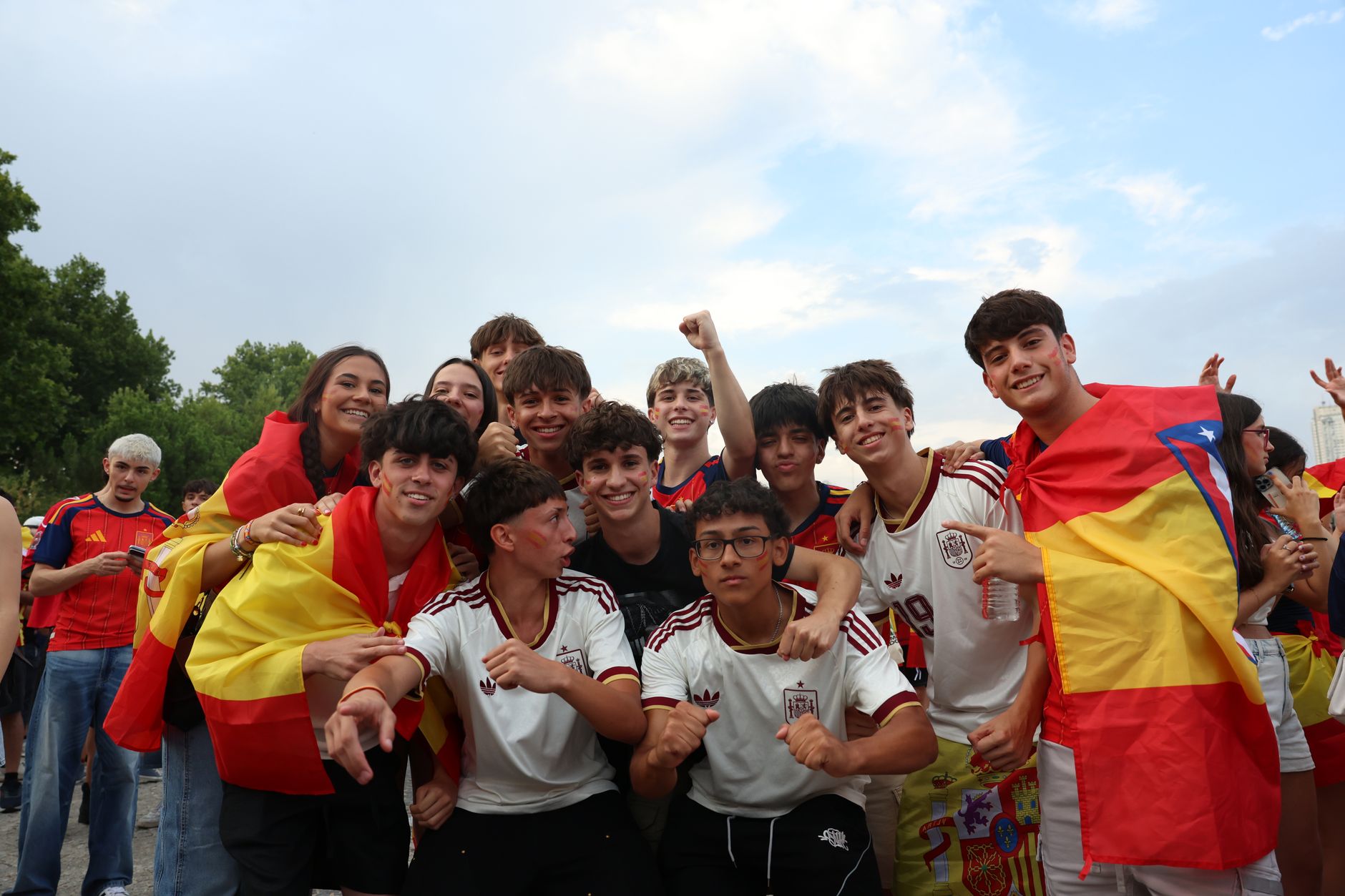
Dominance Despite Narrow Margin
While the scoreline suggests a tightly contested affair, the reality on the pitch was far different. Spain dominated every major statistical category: possession (72% to 28%), shots on target (8 to 2), and passes completed (823 to 241). Argentina rarely threatened, their best chance coming from a speculative long-range effort that sailed over the bar. The 'one-sided' nature of the final, as noted by the tournament organizers, reflected Spain's ability to control the game without ever needing to overpower their opponents. Their precision in the final third, however, could have yielded a more comfortable margin had it not been for several sharp saves from the Argentine keeper.
Messi, visibly dejected at the final whistle, acknowledged Spain's superiority in a brief on-field interview. 'They were the better team today, throughout the tournament,' he said. 'We have no excuses.'
Individual Honors Reflect Team's Brilliance
Spain's collective excellence was further recognized in the tournament's individual awards. A Spanish midfielder was named the Golden Ball winner for the tournament's best player, while the Spanish striker who scored the final's only goal claimed the Silver Boot. The Spanish goalkeeper also took home the Golden Glove for most clean sheets, underscoring a defensive record that conceded just two goals in seven matches. These accolades, while individual in nature, are a direct reflection of the team's cohesive system and relentless work ethic.
The tournament's best team, as the final scoreline suggests, cemented their legacy as one of the great international sides. Their ability to blend youthful energy with veteran experience has set a benchmark for future generations.

What Lies Ahead
With this victory, Spain enters a new golden era. The core of this squad, many in their mid-20s, is poised to dominate international football for years to come. The World Cup triumph provides a platform for sustained success, with continental championships on the horizon. For Argentina, the loss may signal the end of an era. Messi, now in his late 30s, faces an uncertain international future, but his legacy as one of the game's all-time greats remains untarnished. Spain's victory, however, belongs to the collective—a team that outplayed not just Messi's Argentina, but the entire world.