Spain checks 200 Italian arrivals in migration row
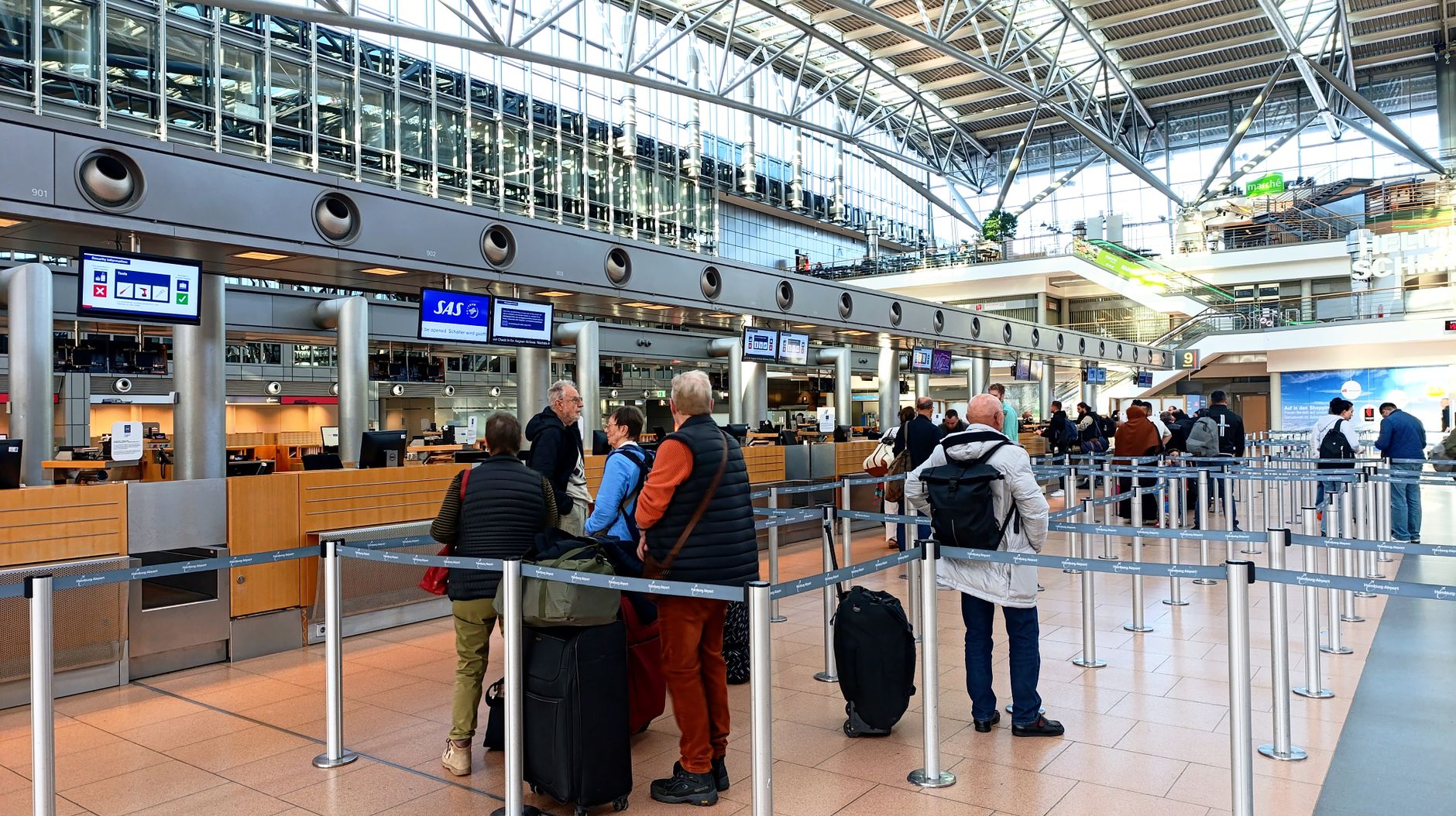
Spain's Interior Ministry screened 199 travelers on 12 flights from Italy on Saturday. The measure follows Spain's imposition of border controls amid a dispute over irregular migration.
Spain’s Interior Ministry reported late Saturday that it had screened 199 passengers on a dozen flights arriving from Italy, as a diplomatic rift over irregular migration prompted Madrid to reintroduce border controls on travelers from its EU neighbor.
The ministry said the document checks were conducted at airports in Madrid, Barcelona, Seville, Bilbao, Alicante, and Valencia. The operation began at midnight on Saturday and is scheduled to run through September 7, according to the government’s announcement.
Checks in detail
The ministry’s statement did not specify how many individuals were denied entry or whether any were detained. The checks were carried out across six major airports, with police teams deployed to verify travel documents and personal identification. The move signals a more aggressive posture toward arrivals from Italy, a fellow European Union member state that normally enjoys passport-free travel with Spain under the Schengen Agreement.
The selection of flights from Italy is notable, as Italy is not typically a primary departure point for irregular migrants crossing into Spain. The checks appear to be a targeted response to a specific disagreement between the two governments, though the ministry offered no detailed reasoning beyond citing a dispute over irregular migration.
The backdrop: a migration dispute
Spain’s decision to impose systematic identity checks on passengers from an EU partner state is a striking deviation from standard practice. Under Schengen rules, internal borders are normally open, but member states can temporarily reimpose controls when they deem it necessary for public policy or internal security. Spain has framed this measure as a direct response to a disagreement with Italy over how to manage irregular migration, without publicly detailing the triggering events.
Italy has long been a frontline entry point for migrants crossing the Mediterranean, particularly from North Africa. Italian governments have repeatedly pressed other EU members to share responsibility for asylum seekers, often warning that Rome cannot manage the burden alone. Spain’s move may signal frustration with what Madrid perceives as inadequate Italian cooperation on handling migration flows, possibly including the onward movement of migrants to Spain after reaching Italy.
Schengen and EU solidarity
The reintroduction of border controls comes at a sensitive time for the European Union, which has struggled to forge a common migration policy. During the 2015 migration crisis, several member states temporarily reinstated internal checks, but such steps are intended to be exceptional and time-limited. Spain’s choice to single out arrivals from Italy rather than from non-EU countries underscores that the dispute is as much political as it is practical.
The decision may also set a precedent, encouraging other governments to resort to unilateral actions when bilateral or EU-level negotiations stall. While the European Commission generally watches internal border controls carefully, countries can invoke them on short notice if they cite security concerns. The lack of detailed justification from Spain’s Interior Ministry could prompt scrutiny from EU institutions.
Looking ahead
For now, travelers between Italy and Spain face the prospect of additional delays at airports. The checks are expected to cause queuing and procedural scrutiny but are unlikely to halt cross-border traffic entirely. Italian authorities have not yet issued an official response, but the move is likely to deepen diplomatic tensions between Rome and Madrid.
The next few weeks will be telling as the EU observes how this dispute evolves. If the checks remain in place until September 7 and no resolution emerges, they could become a symbol of Europe’s inability to present a united front on migration. For passengers, the immediate consequence is clear: travel between these two European countries is no longer as frictionless as it once was, and politics have reached the departure gates.
