Typhoon Noul drenches southern China, displaces 340,000

Typhoon Noul made landfall in Guangdong early Sunday, forcing over 340,000 to evacuate and cancelling hundreds of flights in Hong Kong. The strongest typhoon of 2026 so far is now weakening inland.
Typhoon Noul slammed into southern China early Sunday morning, unleashing heavy rain and gale-force winds across Guangdong province and Hong Kong. The storm, the 12th typhoon of the Pacific season and the third to hit China this month, prompted the evacuation of more than 340,000 people in Guangdong alone, authorities reported on Saturday. With maximum sustained winds of 162 kilometers per hour at landfall, Noul became the strongest typhoon to strike the country in 2026, according to state broadcaster CCTV.
Landfall and Immediate Impact
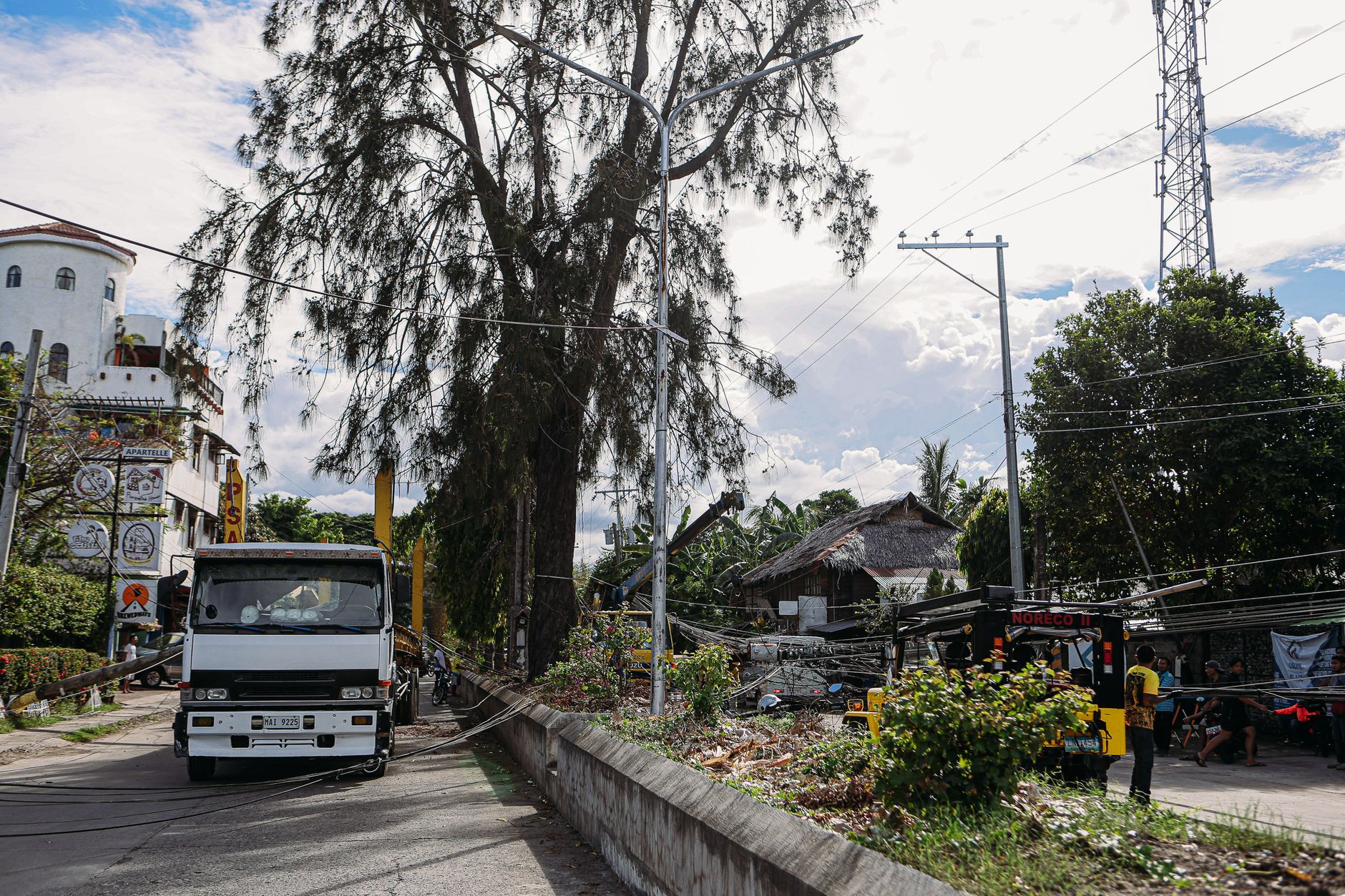
The center of Typhoon Noul crossed the coast at around 3:50 a.m. near the town of Pinghai, Guangdong, about 80 kilometers northeast of Hong Kong. CCTV footage showed streets littered with debris and toppled structures, including a basketball net, as winds battered the region. The Hong Kong Observatory issued an Amber Rainstorm Warning, cautioning residents about flash floods after rainfall exceeded 30 millimeters per hour. The city raised its storm alert to Typhoon Signal No. 9 early Sunday as the storm passed within 80 kilometers, before downgrading it to Signal No. 8 at 7:10 a.m. That signal, which keeps most businesses and transport links closed, remained in effect until at least noon.
Evacuations and Transport Disruptions
Authorities in Guangdong suspended some train services on Saturday morning, and all train services in the province were halted by Sunday, CCTV reported. Hong Kong International Airport canceled at least 350 passenger flights on Sunday, with airport authorities saying operations would gradually resume after 6:00 p.m. The Hong Kong government reported receiving over 100 reports of fallen trees, and nine people sustained injuries. The storm forced widespread disruptions, with roads blocked and public transport limited across the region.
Comparison to Previous Storms
Extreme weather has already devastated parts of southern and central China this month. Typhoon Maysak triggered deadly floods in Guangxi, killing 39 people, and caused thunderstorms and gale-force winds that killed 11 and injured 331 in the central province of Hubei. Noul's landfall comes as the region remains on high alert for further weather-related disasters.

Ongoing Threat and Recovery
As Noul moves inland, it is weakening but still bringing strong winds and rain to Jiangxi, Hunan, and Hubei provinces, according to CCTV. Precipitation from the typhoon could last through Tuesday, affecting provinces as far north as Henan and Shandong. Guangdong authorities elevated the province's disaster relief emergency response to its third-highest level on Sunday morning. Recovery efforts are underway, with emergency crews clearing debris and restoring power. The Hong Kong Observatory warned that strong gales continue to affect much of the city, and residents should remain vigilant for flash floods and landslides.