Senate Races to Pass Funding Bill Before August Recess
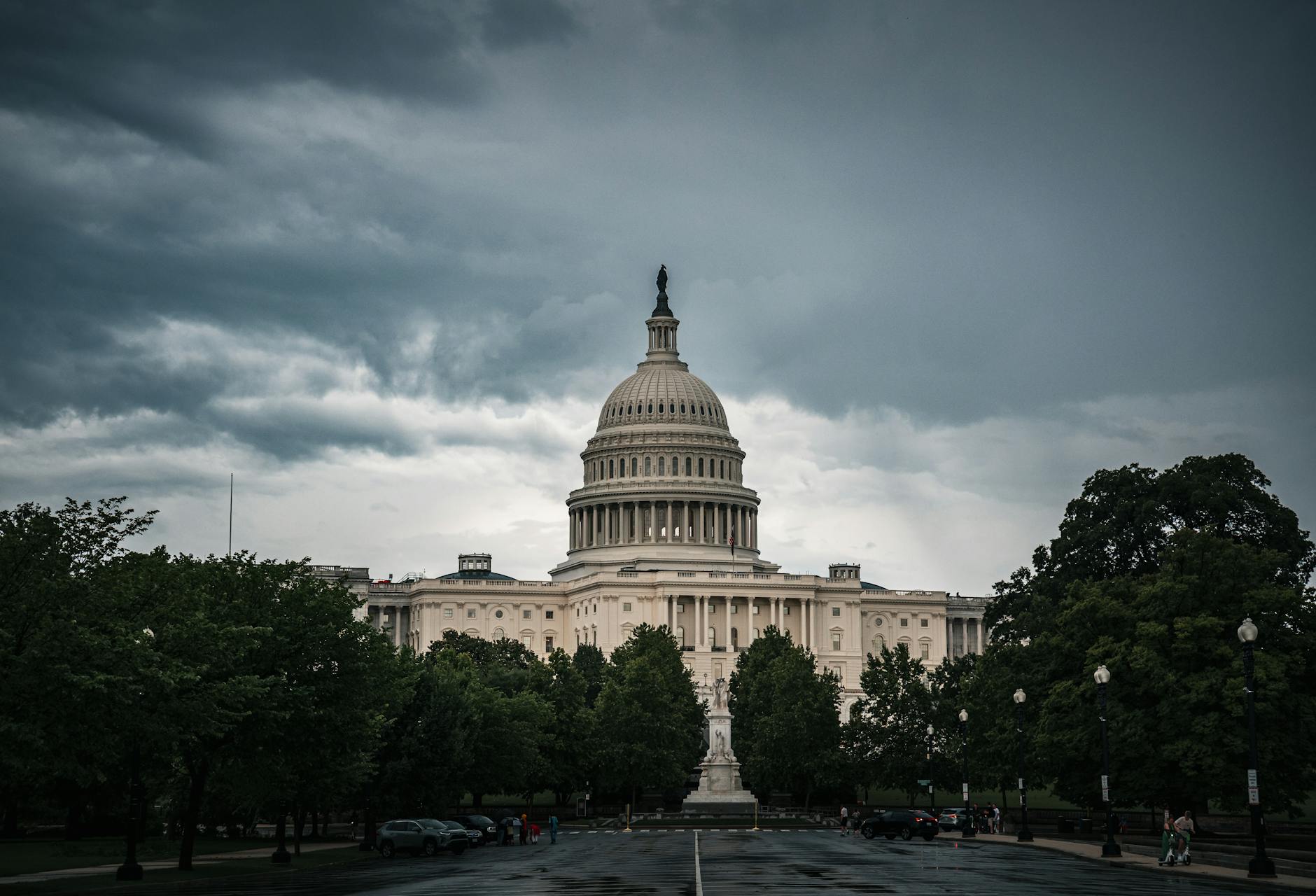
Lawmakers on Bloomberg's Balance of Power discuss the urgent push to fund the government through December and the recent Russia sanctions vote.
On the Friday edition of Bloomberg's Balance of Power: Late Edition, three members of Congress offered a preview of the Senate's priorities as the August recess looms: a government funding bill aimed at preventing a shutdown through December, and the foreign policy implications of recently passed Russia sanctions. The program, broadcast on August 7, 2026, brought together Democratic and Republican voices to synthesize the political and business stakes.
Funding the Government: A Bipartisan Imperative
Senator Chris Coons, a Delaware Democrat, underscored the urgency of passing a government funding bill before the chamber breaks for its summer recess. He stressed that failure to act could lead to a shutdown that would ripple through federal agencies and undermine the nation's credibility on the world stage. Coons's remarks reflect the broader concern among appropriators that a last-minute scramble could destabilize essential services.
Republican Congressman Dusty Johnson of South Dakota, who serves on both the House Agriculture Committee and the House Select Committee on China, acknowledged the intricate negotiations taking place in the Senate. He highlighted the continuing resolution as the most viable mechanism to fund the government beyond the fiscal year's end, noting the difficulty of passing a full appropriations package in the current political climate. His comments suggest a possible path toward a stopgap measure when lawmakers return in September.

Russia Sanctions: A Rare Show of Bipartisanship
The conversation also turned to the Lindsey Graham Russia sanctions bill, which recently cleared the Senate. Congressman Greg Landsman, an Ohio Democrat serving on the House Energy and Commerce Committee, discussed the legislative momentum behind the measure. He emphasized the importance of holding Russia accountable and signaled that the House could take up the bill soon. The sanctions package represents a notable instance of bipartisan cooperation, even as other foreign policy priorities remain contentious.
Global Stakes and the Road Ahead
Coons's focus on America's global standing dovetails with the broader narrative of the show, which examines the intersection of politics and international business. A government shutdown, he argued, would send a troubling signal to allies and adversaries alike, undermining confidence in US governance. The imperative to project stability is driving the push for a multi-month funding extension through December.
As the Senate prepares to depart for its August recess, the unresolved question is whether a continuing resolution can be finalized in time. While Johnson expressed cautious optimism about the ongoing negotiations, the details of the spending levels remain a sticking point. Lawmakers are expected to resume talks immediately upon their return, with the specter of a politically damaging shutdown motivating both parties to find common ground.
What to Watch
Look for the Senate to take up the funding measure early in September, potentially attaching it to other must-pass legislation. The House's schedule for the Russia sanctions bill will also be in focus, as lawmakers aim to send a unified message before the next legislative session. For businesses and federal contractors, the message is clear: prepare for volatility as the fiscal year deadline approaches.
