Colombia earthquake: 111 dead after 7.4 magnitude tremor
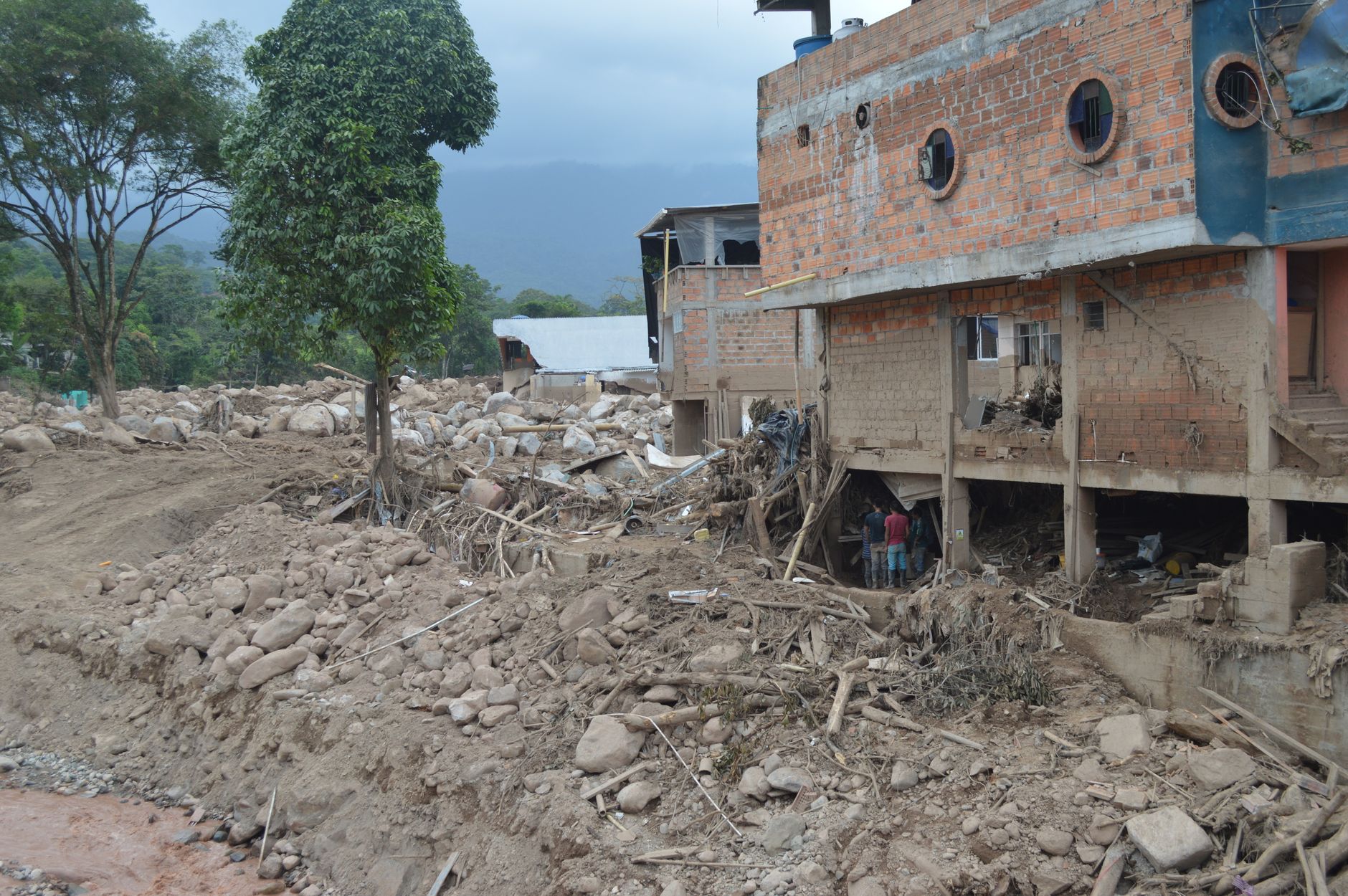
A 7.4 quake killed 111 in western Colombia, collapsing buildings in Cali and Pereira. Rescuers search for survivors after a state of emergency is declared.
More than 100 people have been killed after a powerful 7.4 magnitude earthquake struck western Colombia on Monday, toppling buildings and trapping residents in several major cities. The quake hit at 7.34am local time, with its epicentre in the western department of Chocó, according to the US and Colombian geological surveys. It was also felt in neighbouring Venezuela, which is still recovering from a deadly double earthquake on 24 June.
Search and rescue efforts underway
Colombia’s president, Abelardo de la Espriella, said 111 people had been killed and 87 injured, with 61 buildings collapsed. Speaking from a national address at about 1pm local time, he declared a state of emergency and said all government resources were being deployed to protect lives and assist affected communities. “The first priority is rescuing the people trapped under the rubble,” he said.
De la Espriella, who took office only three days ago, promised to lead the government response. “Colombia has a president whose heart aches for his people and who will do everything in his power to help them,” he said.

Devastation in Cali and Pereira
Western Colombia suffered the worst of the damage. Authorities reported 27 deaths in the Valle del Cauca department, and at least 40 in Pereira, the capital of Risaralda. In Manizales, the capital of Caldas, at least two people died and the mayor said dozens of buildings and homes were partially or completely destroyed.
Social media videos shared after the quake showed people searching for victims in the wreckage of a four-storey hotel in Cali, and a woman sprinting from a building as it collapsed in Manizales. Another video captured the moment a section of San José church in Pereira fell as palm trees shook around it. The mayor of Cali, Alejandro Eder, said at least 20 buildings had collapsed in the city and that people were trapped inside. “Right now, we are trying to map out what has happened, firstly to protect lives and secondly to be able to push ahead with any kind of rescue that might be necessary,” he said, urging residents to check their buildings for large cracks and leave if they felt unsafe.
In Pereira, Mayor Mauricio Salazar said 65 buildings had collapsed, with victims feared trapped in at least 15 of them. Five of the city’s hospitals were reported to be overwhelmed with injured people.
Witnesses describe ‘four longest minutes’
Raúl Andrés Buitrago, who works in Pereira, said he was on his way to work when the seismic alert on his watch went off. “There are often little tremors here,” he told local media. “But I’d never felt an earthquake like this. It started softly, softly, softly, then it felt like it was getting stronger every second.” He described “horrible” scenes as roofs caved in and buildings collapsed in on themselves. “The panic was terrible. They were the four longest minutes of my life.”
In Manizales, Mayor Jorge Eduardo Rojas Giraldo warned residents to be “completely ready” for aftershocks and not to go back inside buildings. “I know this isn’t easy but stay outside for a little while at least because there could be an aftershock.”
Regional response and next steps
The governor of Chocó, Nubia Carolina Córdoba, reported injuries and severe damage in the department’s capital, Quibdó. The quake was felt as far away as Venezuela, where communities remain vulnerable after a deadly earthquake on 24 June. As rescue teams continue to search through the rubble, authorities are urging calm while they map the destruction and coordinate relief. With the president personally heading the response, the focus now is on reaching survivors and assessing the full extent of damage across the affected regions.