7.4-magnitude earthquake kills 111 in western Colombia

A 7.4-magnitude earthquake killed 111 in western Colombia, collapsing buildings in Cali, Pereira and Manizales. Rescue teams are racing to find survivors trapped in the rubble.
A massive 7.4-magnitude earthquake struck western Colombia on Monday morning, killing at least 111 people and toppling buildings in several major cities as rescue teams rushed to search for survivors. The quake hit at 7:34am local time, according to the U.S. Geological Survey and Colombia's geological service, with its epicenter in the rugged, jungle-covered Chocó department on the Pacific coast. The shaking was so strong that it was felt in neighbouring Venezuela, a country already reeling from a deadly double earthquake in June.
Widespread destruction in cities
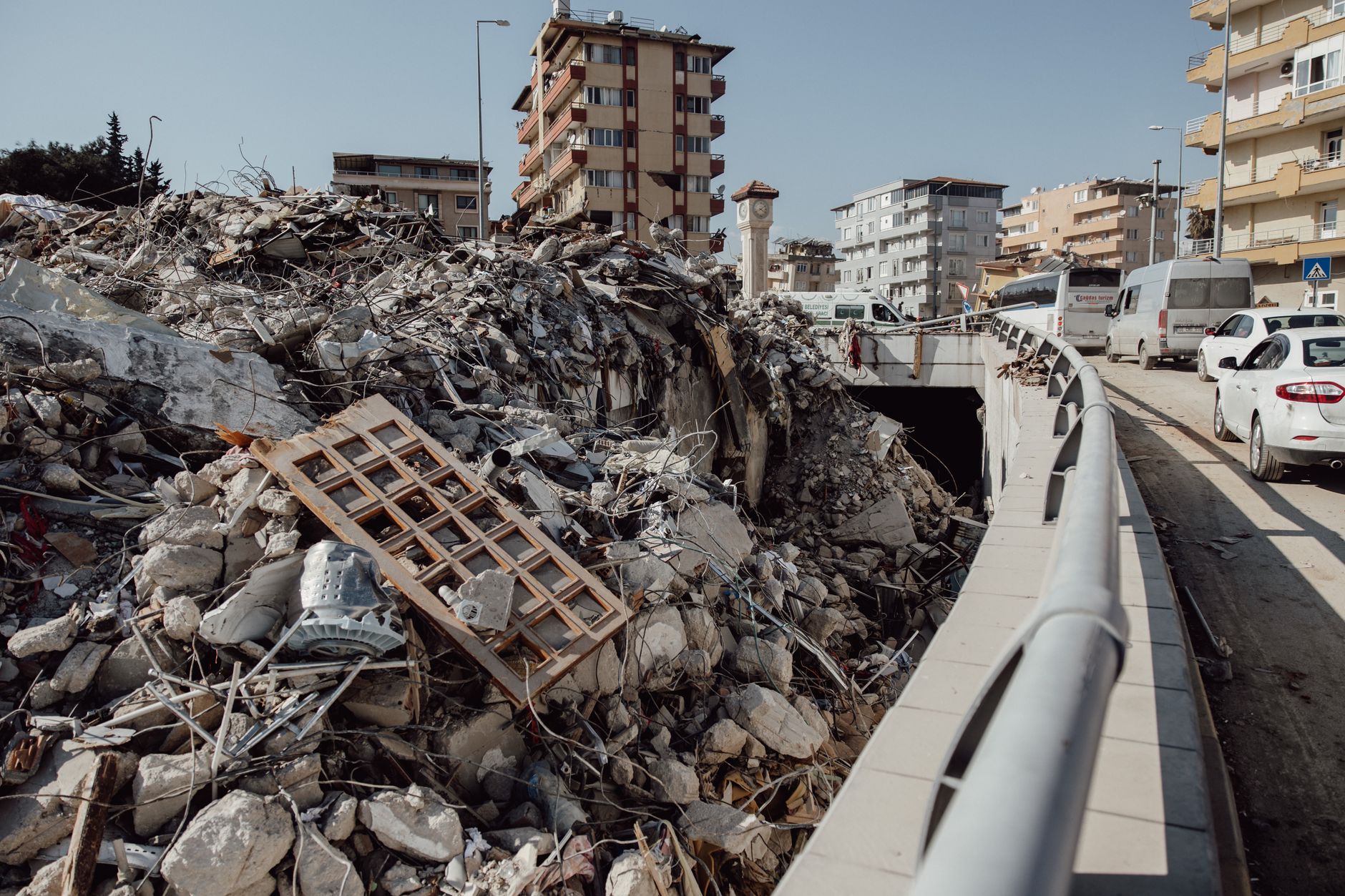
The damage was concentrated in the country's western coffee-growing region, where many buildings are old and not built to withstand such a powerful temblor. In Pereira, the capital of Risaralda, at least 40 people were killed and 65 buildings collapsed, according to Mayor Mauricio Salazar. He declared a curfew and said that emergency workers believed that survivors were still trapped under at least 15 of the ruined structures. Five hospitals in the city were reported to be inundated with injured people, pushing local medical services to their limits.
In Cali, the largest city in the Cauca Valley, Mayor Alejandro Eder said at least 20 buildings had collapsed, some with people inside. The broader Valle del Cauca department recorded 27 deaths. The city's residents were urged to inspect their homes for structural damage and to leave immediately if they saw large cracks. “If you do not feel safe, if you see very large cracks, please leave the building,” Eder said.
Manizales, the capital of Caldas, also reported casualties and heavy destruction. Mayor Jorge Eduardo Rojas Giraldo said at least two people had died, and at least 12 buildings and 20 homes were either partially or completely destroyed. The city's historic cathedral was reported to have suffered damage.
State of emergency declared
Speaking in a national address at around 1pm, President Abelardo de la Espriella confirmed the death toll of 111 and said that 87 people had been injured. He declared a national state of emergency, ordering all government agencies to focus on protecting lives and delivering aid. “The national government has all of its capabilities deployed to protect lives, assist affected communities and deliver aid wherever it is needed,” he said, adding that rescuing people trapped beneath collapsed buildings was the immediate priority.
Eyewitness accounts and viral videos
Survivors described harrowing scenes as the ground shook relentlessly. Raúl Andrés Buitrago, a customer service manager in Pereira, told local media that his watch's earthquake alert went off as he was heading to work. “There are often little tremors here,” he said. “But I'd never felt an earthquake like this. It started softly, softly, softly, then it felt like it was getting stronger every second.” He described watching roofs collapse and buildings fold in on themselves during what he called “the four longest minutes of my life.”
Social media was flooded with dramatic videos capturing the chaos. One clip showed residents digging through the rubble of a four-storey hotel in Cali, while another showed a woman sprinting from a building that collapsed moments later in Manizales. In Pereira, part of the San José church crumbled as palm trees around it shook violently. Newspapers published footage of a building giving way in Manizales, underscoring the sudden and indiscriminate nature of the disaster.
Aftershock warnings and recovery efforts
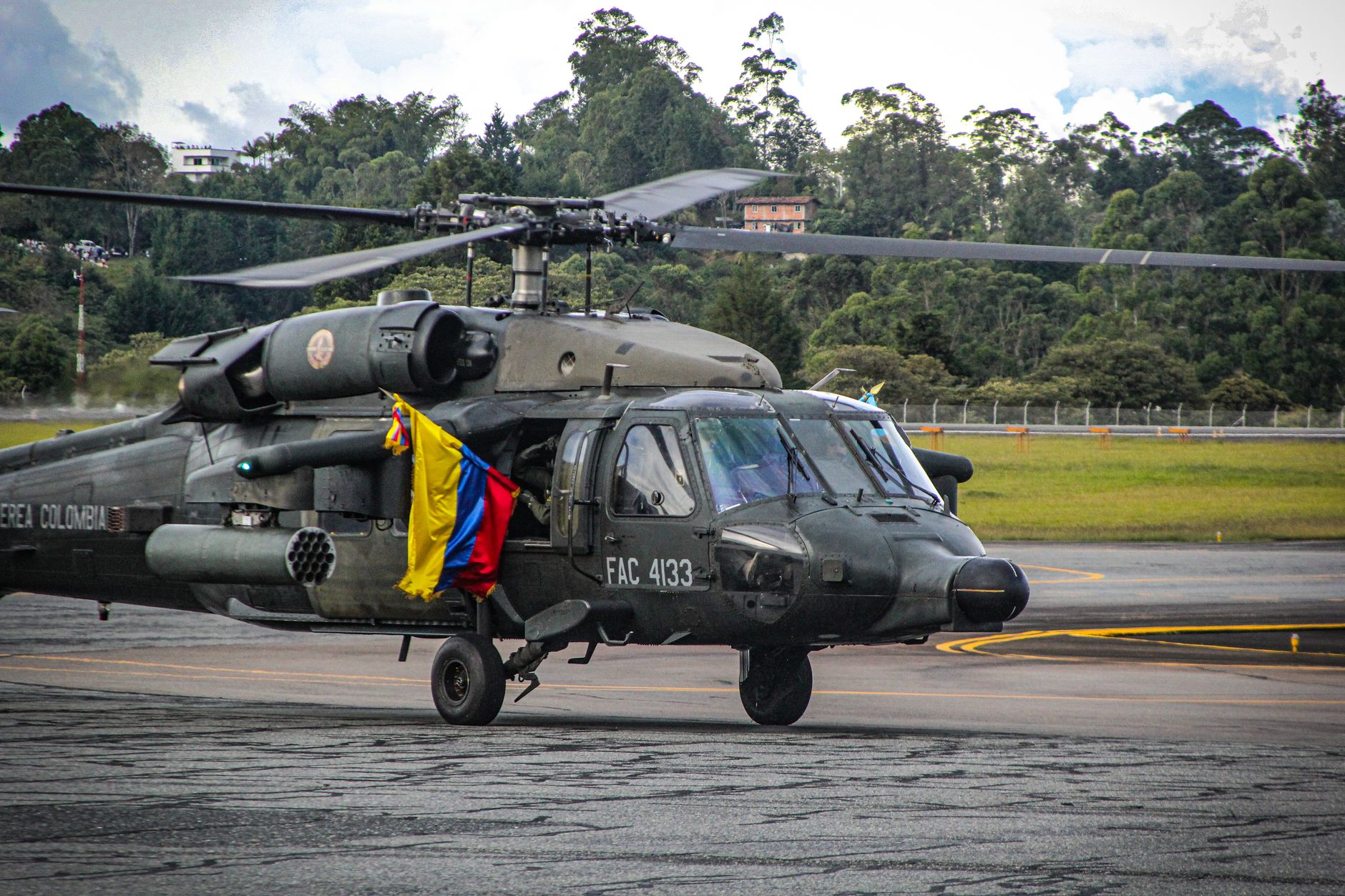
Officials are warning that aftershocks are likely, and the president has urged citizens to remain vigilant. The mayor of Manizales, Jorge Eduardo Rojas Giraldo, advised people not to return to damaged buildings. “Do not go back into the buildings yet. I know this is not easy but stay outside for a little while at least because there could be an aftershock,” he said in a video message.
The full extent of the damage is still unknown, particularly in rural areas near the epicenter in Chocó, which is one of Colombia's poorest and most inaccessible regions. Rescue teams are working to reach these communities, and the government is mapping the destruction. The coming days will be critical for saving lives and assessing the scale of reconstruction needed. For a country still recovering from previous tragedies, this earthquake adds another profound challenge.