Russian missile strike kills 3 in Kyiv, wounds 15
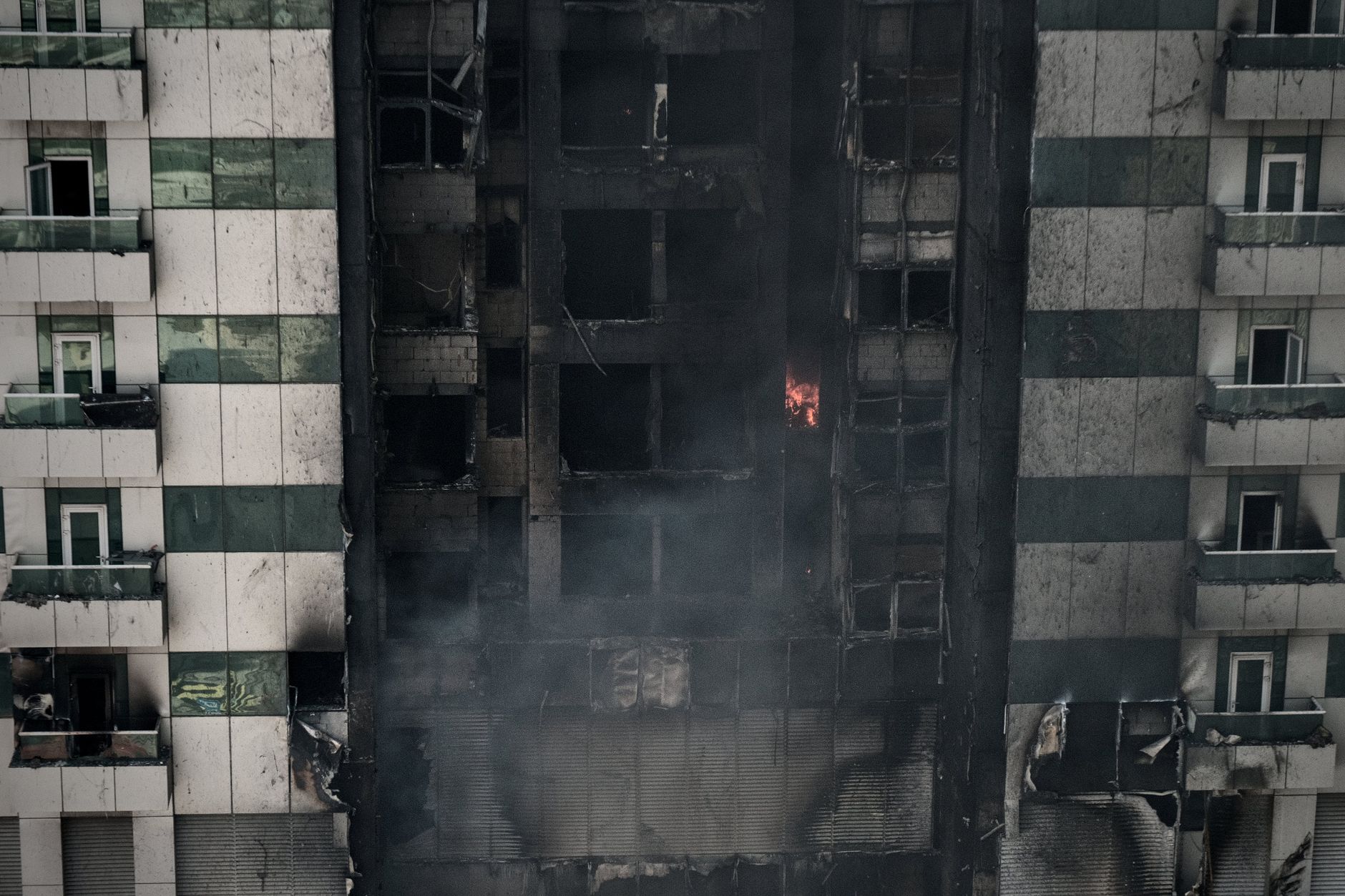
A predawn Russian missile attack on Kyiv killed at least three and injured 15, trapping residents in damaged buildings. The strike is the latest in a surge of attacks on Ukraine's capital.
A Russian missile attack killed at least three people and wounded 15 others in Kyiv early Saturday, officials said, as a series of explosions reverberated across the Ukrainian capital. The strike was the latest in an intensified campaign against the city, which has been hit repeatedly in recent months.
Strikes hit residential districts
Kyiv Mayor Vitali Klitschko said the attacks targeted the Shevchenkivskyi and Solomyanskyi districts, where residents were trapped in damaged buildings. Emergency services rushed to the scene as rescue efforts continued through the morning.
All 15 injured people were hospitalised, including two boys aged 13 and 17, with one person in serious condition, Klitschko said. Fires were reported in several districts, including burning warehouses in Darnytskyi, and debris fell on buildings in Holosiivskyi. Witnesses told the Reuters news agency that more than a dozen explosions were heard across the city.

Russia exploits air defence shortage
The attack underscores a mounting challenge for Ukraine: a shortage of air defences capable of intercepting Russian ballistic missiles. In recent weeks, Moscow has taken advantage of this vulnerability, striking Kyiv with increasing frequency and causing significant casualties and damage.
Ukrainian President Volodymyr Zelenskyy has repeatedly pressed Western allies for more air defence systems and munitions. As part of those efforts, Ukraine has been negotiating with the United States for a licence to manufacture Patriot interceptor missiles domestically, a move that would reduce Kyiv’s reliance on finite foreign supplies.
US discusses Patriot licence but withholds approval
On Friday, US President Donald Trump acknowledged the talks were ongoing but said Washington had not yet agreed to the proposal. Trump stressed the need for caution in sharing sensitive technology, noting that such capabilities could potentially be used against the United States in the future.
“You have to be very judicious, but you have to be very careful,” Trump said. “Now we have not agreed to that. We’re talking about it, but it’s a hard thing to give away that kind of technology. And I don’t think this would ever happen, but, you know, there’s people that you give that technology, they can someday turn on you.”
The remarks contradicted statements earlier in the month when Trump said he had agreed to give Ukrainians a licence. The White House has since walked back those comments, saying no final decision had been made.
Deadly week for Ukraine
Saturday’s attack is part of a brutal stretch for Ukraine. A series of Russian air strikes across the country early Thursday killed eight people, including children, according to Ukrainian officials. Those strikes targeted multiple regions, further straining local emergency services and civilian morale.
The repeated attacks have intensified pressure on Kyiv to secure more advanced air defense systems. Allies have pledged additional support, but deliveries have been slow, and Ukraine has called for faster deployment to counter the ongoing aerial threat.
What’s next
The outcome of the Patriot licence negotiations could prove pivotal. If approved, it would allow Ukraine to produce its own interceptors, potentially easing the chronic shortage that has left cities exposed. But the sensitive nature of the technology means a final deal may remain elusive.
For now, Kyiv residents face an uneasy wait, with the threat of further strikes looming. The Ukrainian government continues to appeal for international support, emphasising that air defence is not only a military necessity but also a means to protect civilian lives.