Russia and Ukraine exchange overnight strikes kill 7
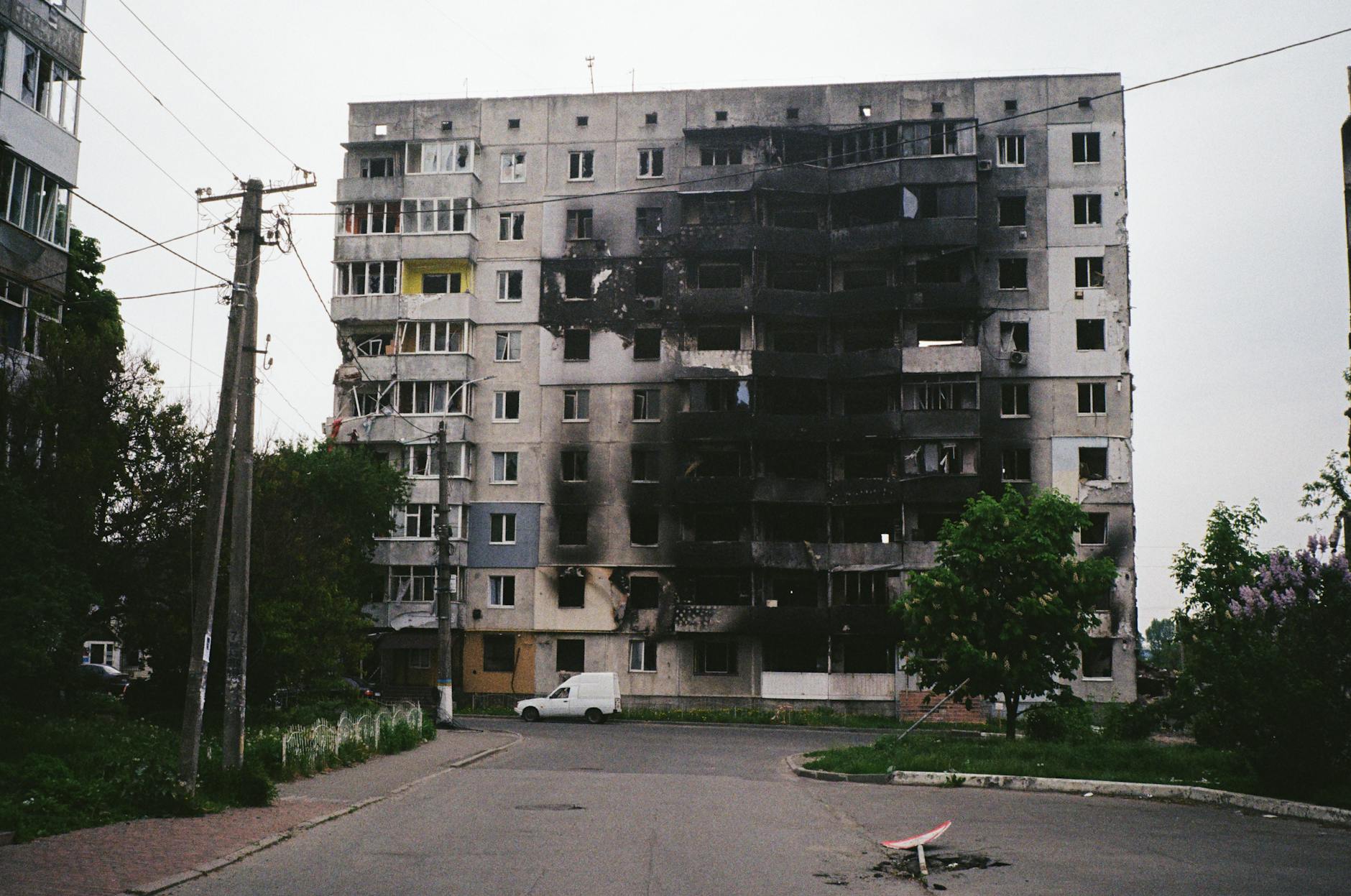
Overnight strikes kill five in Russia's Belgorod and two in Kharkiv, as Ukraine pleads for more Patriot air defenses.
Russia and Ukraine traded deadly overnight attacks that killed at least seven civilians and wounded dozens more across both countries, local officials said Sunday, in the latest escalation of a long and grinding war. Ukrainian drones killed five people and injured 24 others in Russia’s Belgorod border region, including a four-year-old boy, while Russian missiles struck an apartment block in Ukraine’s second-largest city Kharkiv, leaving two dead and 13 wounded, authorities reported.
Deadly strikes on both sides of the border
In Russia’s Belgorod region, which has been repeatedly targeted by Ukrainian drone raids throughout the conflict, the regional administration said five people lost their lives and two dozen more were wounded, among them a child. The attack underscored Kyiv’s growing willingness to strike back at Russian territory, even as Moscow’s forces keep up their own relentless bombardment of Ukrainian cities.
In Kharkiv, Ukrainian regional head Oleh Syniehubov said Russian missiles slammed into a block of flats in the Saltivskyi district, killing two people and injuring 13 more. Rescue teams sifted through the rubble for hours, and authorities warned the death toll could rise as emergency operations continued.
Further south, Ukraine’s Black Sea port of Odesa came under a heavy barrage, with local administration head Oleh Kiper reporting that “dozens of missiles and drones” struck the city and its surroundings, injuring eight people. The attacks followed a pattern of near-nightly Russian airstrikes on Ukrainian population centers, which have become almost routine in recent weeks as Moscow seeks to wear down Ukrainian morale and infrastructure.

Ukraine’s air defense dilemma
The strikes highlight a critical vulnerability for Ukraine: a severe shortage of interceptor missiles for its US-made Patriot systems, the only air defense weapons in its arsenal capable of shooting down ballistic missiles. President Volodymyr Zelensky has spent months lobbying allies, particularly the United States, to send additional Patriot batteries, arguing that they are essential for protecting civilians and critical facilities.
The Pentagon’s limited stock of Patriots has been further strained by the ongoing war in Iran, which has diverted supplies and slowed production. Zelensky has proposed domestic production of Patriot ammunition as a fallback, hoping to reduce Ukraine’s dependence on foreign shipments. He has also sought approval from Elon Musk to use Starlink satellite communications to guide strikes deep inside Russia targeting missile launchers, a move that would significantly enhance Kyiv’s ability to preempt attacks.
Human cost mounting
The overnight toll adds to a grim tally of civilian casualties in recent weeks, as both sides escalate their tactics. Belgorod’s regional administration reported that the four-year-old boy was among the wounded, a stark reminder of the human cost of a war that shows no sign of abating. In Kharkiv, residents emerged from shelters to find their neighborhood torn apart, with emergency crews struggling to reach affected buildings under the constant threat of further strikes.
Odesa, a vital port for Ukraine’s grain exports, has also endured repeated attacks, raising concerns about global food security and the safety of maritime corridors. The latest barrage forced authorities to temporarily suspend some operations, though the full extent of damage was still being assessed.
Stalemate and escalation
Despite cease-fire calls, neither side appears willing to step back. Russia continues to exploit Ukraine’s air defense gap, hoping to break civilian resolve, while Ukraine has developed longer-range drones capable of hitting targets inside Russian territory, including Belgorod and other border regions. The exchange Sunday reflects a broader dynamic: a war of attrition fought increasingly over civilian populations and infrastructure.
Military analysts note that the frontlines have barely moved in months, but the aerial campaign has intensified. Ukraine’s Western backers face mounting pressure to either ramp up military aid or push for negotiations, yet no clear path toward peace is visible. The Pentagon, for its part, has announced new packages of air defense missiles, but Kyiv says they are nowhere near enough to counter the scale of Russian bombardments.
As the war enters yet another phase, the immediate focus for Ukrainian authorities is on repairing damaged sites and treating the wounded. For civilians in cities like Kharkiv and Odesa, the sounds of explosions have become a recurrent nightmare, and the need for effective defenses has never been more acute.

What comes next
Zelensky is expected to renew his calls for additional Patriot systems at the next meeting of the Ukraine Defense Contact Group, where allies will assess their own weapons stocks. Without concrete pledges, Ukrainian cities will likely remain vulnerable to the kind of overnight raids that killed seven people on Saturday night.
Meanwhile, Russia shows no sign of easing its missile campaign, and Ukrainian drone strikes on border regions are likely to continue as Kyiv seeks to disrupt Russian logistics and retaliate for attacks on its own soil. The international community, already weary of the prolonged conflict, faces the sobering reality that neither a decisive military breakthrough nor a negotiated settlement appears imminent.