Rubio: Iran Uses Hormuz Strait as 'Leverage' on World
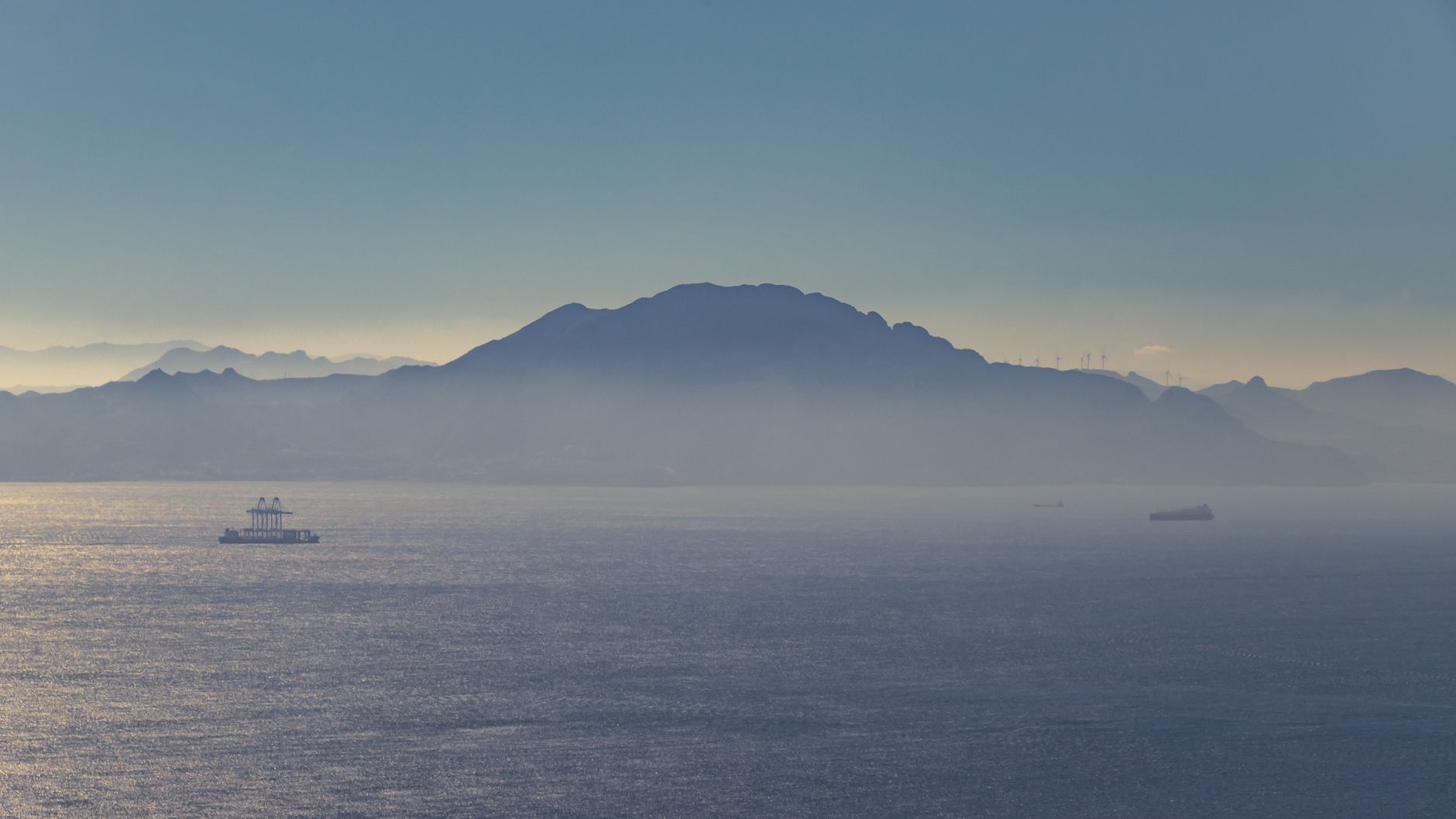
US Secretary of State Marco Rubio accused Iran of using the Strait of Hormuz as leverage, urging other nations to step up to protect global shipping.
US Secretary of State Marco Rubio accused Iran of weaponizing the Strait of Hormuz amid ongoing regional tensions, calling on international allies to share the burden of safeguarding one of the world's most critical maritime chokepoints. Speaking to reporters, Rubio asserted that elements within Iran's leadership seek to control the strait to exert leverage over global energy markets and shipping routes.
A Vital Waterway Under Threat
The Strait of Hormuz, a narrow passage between the Persian Gulf and the Gulf of Oman, handles roughly 20% of the world's oil transit. Any disruption there sends shockwaves through global energy prices and supply chains. Iran has long threatened to close the strait in response to sanctions or military pressure, a tactic it has deployed periodically over the past decades. Rubio's comments come as the United States maintains a naval presence in the region to deter Iranian harassment of commercial vessels.
Rubio's Call for Shared Responsibility
Rubio stressed that the United States will continue to take necessary actions to keep the strait open, but he emphasized that other nations must contribute more. 'Other countries need to begin to step up and provide, whether it's hardware or finances, to help carry that burden,' he said. The appeal reflects longstanding US frustration with allies who benefit from freedom of navigation but contribute little to its cost. European and Asian economies are particularly vulnerable to disruptions in the strait, yet many have been reluctant to join maritime security missions.
Iran's Strategic Calculus
Iran's ability to threaten the strait stems from its geographic position and its arsenal of anti-ship missiles, mines, and fast attack boats. Tehran has occasionally seized tankers or escorted its own vessels to project power. While Iranian officials have denied intent to close the strait permanently, they have used the threat as a bargaining chip in nuclear negotiations and sanctions talks. Rubio's accusation underscores US intelligence assessments that Iran views control of the waterway as a key lever against Western pressure.
Regional and Global Implications
The dispute over the Strait of Hormuz is likely to intensify as Iran's nuclear program advances and US-Iran tensions remain high. Rubio's remarks signal that Washington expects greater burden-sharing from allies, particularly in the Gulf and Asia. Without a coordinated international response, the strait could become a flashpoint in a broader confrontation. Analysts warn that any blockade or conflict would drive oil prices sharply higher, harming the global economy. The coming months may test whether Rubio's call for collective action translates into tangible commitments from other nations.