Rescuers scramble to locate survivors as death toll climbs to 13 after powerful quake hits southwestern Japan

A powerful earthquake struck southwestern Japan, killing at least 13 people and trapping others under rubble. Rescue crews race to find survivors amid aftershocks and damaged infrastructure.
A powerful earthquake hit southwestern Japan late Thursday, leaving at least 13 people dead and dozens injured as rescue workers raced to locate survivors trapped under collapsed buildings. The quake, which struck near the coast of Kyushu, sent tremors across a wide area, triggering landslides and damaging roads, homes, and utilities.
Quake strikes with little warning
The earthquake, measured at a magnitude of 7.1 by the Japan Meteorological Agency, struck at a depth of about 30 kilometers at 9:26 p.m. local time. The epicenter was located off the coast of Miyazaki Prefecture, a region known for its seismic activity. Within minutes, the agency issued a tsunami advisory for coastal areas, but later lifted it after waves of only 30 centimeters were observed. The quake was felt as far away as Osaka, more than 400 kilometers to the east.
Local authorities reported that the majority of deaths occurred in the cities of Miyazaki and Nichinan, where several older wooden buildings collapsed under the force of the shaking. In one residential area, a two-story house pancaked, trapping a family of four; two were rescued, but two were confirmed dead. Elsewhere, a landslide swept away a car, killing the driver.
Rescuers face obstacles in search for survivors
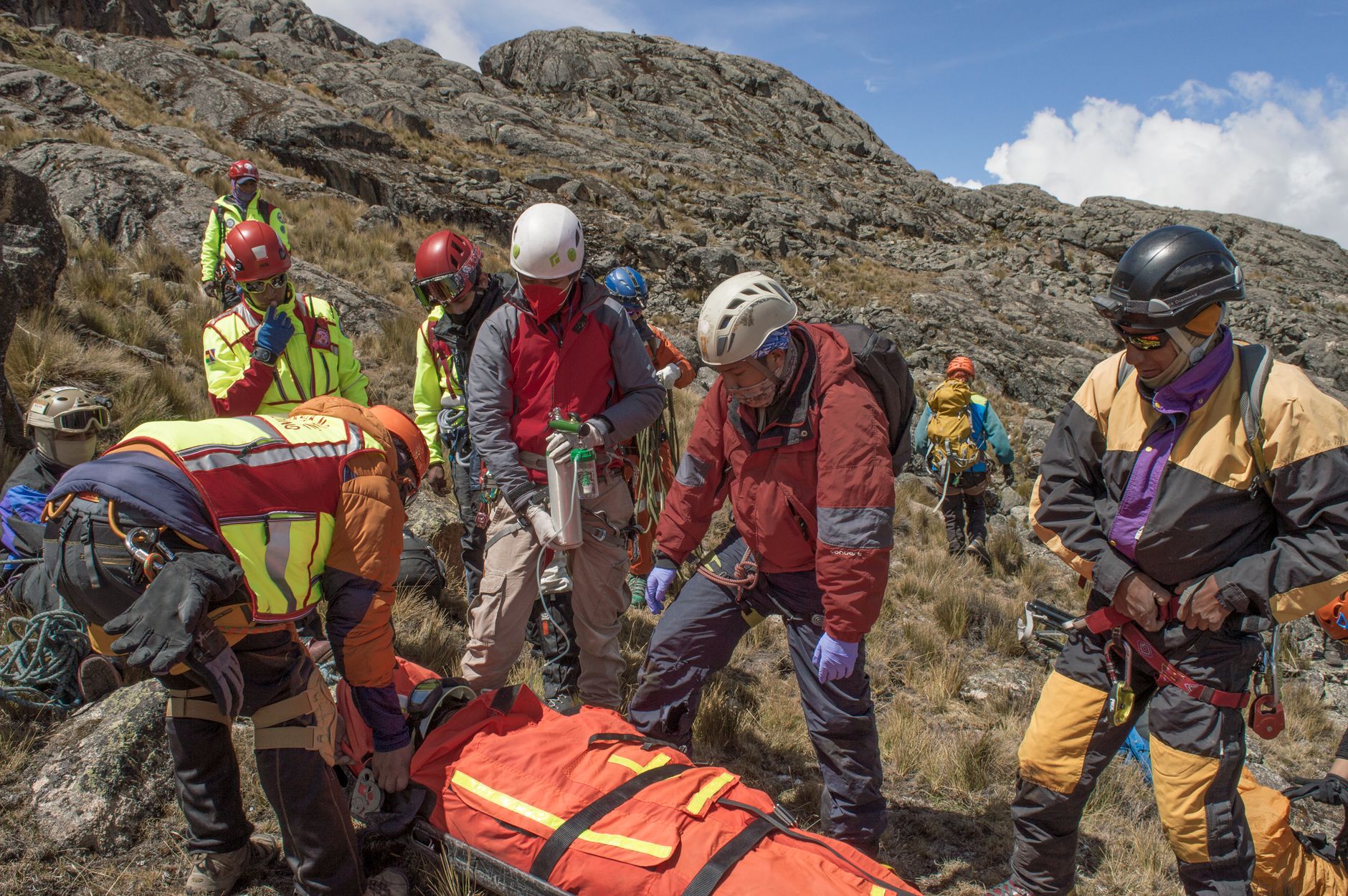
Emergency crews, including firefighters, police, and Japan's Self-Defense Forces, have been deployed to the worst-hit areas. As of Friday morning, at least 10 people remained missing, and more than 50 were reported injured, with 15 in serious condition. The search efforts are being complicated by ongoing aftershocks, downed power lines, and blocked roads. In some areas, rescuers are relying on sniffer dogs and listening devices to locate voices under the rubble.
“We are doing everything we can to reach people as quickly as possible,” said a spokesperson for the Miyazaki Prefecture Disaster Management Office. “But the situation is very difficult. Roads are cracked, and there is no electricity or water in several districts.” The government has set up evacuation centers in schools and community halls, where about 2,000 people have taken shelter.
Infrastructure damage and regional impact
The quake caused significant damage to infrastructure. Several highway bridges have been closed for inspections, and train services, including the Kyushu Shinkansen bullet train, were suspended indefinitely. The local power utility reported that around 30,000 homes lost electricity, while water outages affected at least 15,000 households. The region's major airport, Miyazaki Airport, was closed for safety checks but has since reopened for limited flights.
Seismologists warned that the area could experience strong aftershocks in the coming days. “This is a very active seismic zone,” said Dr. Hiroshi Nakamura of the University of Tokyo. “We advise residents to stay away from damaged buildings and be prepared for more shaking.” The quake also raised concerns about the nearby nuclear power plants; however, the Nuclear Regulation Authority reported no abnormalities at the Sendai and Genkai plants, both of which are located in Kyushu.

Looking ahead: recovery and preparedness
As rescue operations continue, the focus now shifts to the recovery and rebuilding phase. The Japanese government has announced it will release emergency funds to assist the affected areas. Prime Minister Taro Aso expressed condolences and promised swift action, saying, “We will mobilize all available resources to help the victims and restore normalcy as quickly as possible.” The earthquake is a stark reminder of Japan's vulnerability to natural disasters, despite its world-renowned building codes and early warning systems. Experts say that while the death toll is tragic, it could have been much higher if the quake had struck during the day or in a densely populated urban center. For now, the people of southwestern Japan are bracing for more tremors while hoping for good news from the rubble.