Japan Earthquake Death Toll Rises as Rescue Teams Race Against Time

At least 13 people died after a 6.8 magnitude earthquake struck southern Japan. Hundreds of rescuers are searching for survivors amid collapsed buildings and widespread power outages.
At least 13 people were killed and hundreds injured when a powerful 6.8 magnitude earthquake struck southern Japan on Tuesday, prompting a massive rescue operation as authorities warned of further strong aftershocks and landslides. The quake, which registered a maximum 7 on Japan’s shindo intensity scale, hit Kumamoto prefecture on the island of Kyushu in the afternoon, collapsing buildings, triggering an explosion at a shopping mall, and leaving tens of thousands without electricity or water.
Rescue Operations Underway
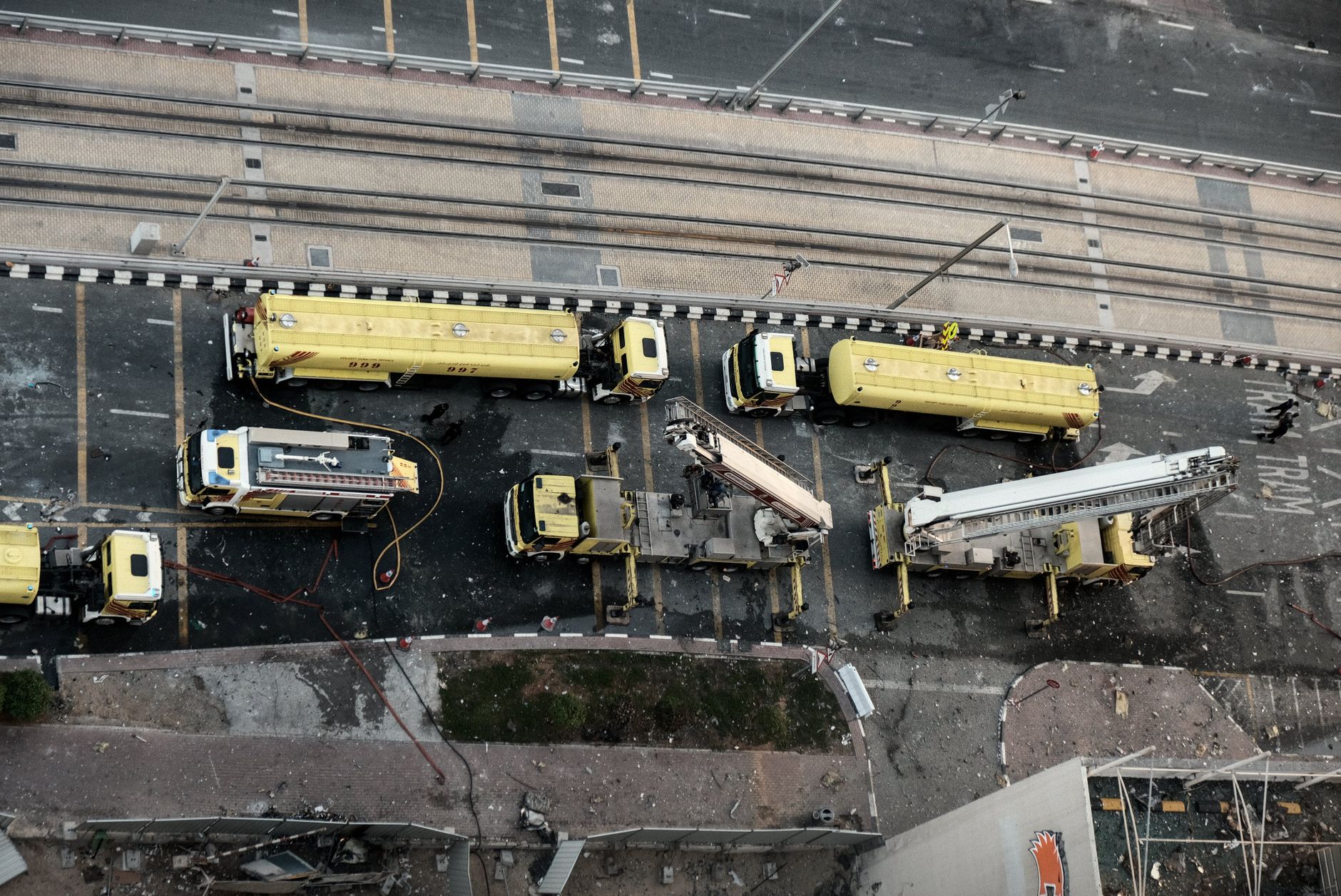
Prime Minister Sanae Takaichi described the situation as a “race against time” on Wednesday, as rescue crews sifted through wreckage at key sites. The Japanese military mobilized 3,600 personnel for disaster relief and deployed 20 aircraft to assess damage from the air. Hundreds of first responders from neighboring prefectures arrived Tuesday evening to assist. Among the most critical scenes is a paper mill in Yatsushiro where a chimney collapsed, leaving two workers in cardiac arrest and nine others missing. At an Aeon shopping mall housing around 200 outlets, an explosion ripped through the building shortly after the quake, tearing away part of the main structure. Two women in their 20s were confirmed dead, and another person suffered cardiac arrest. An Aeon spokesperson said customers and employees had been evacuated after the initial tremors, and the cause of the explosion remains unclear, though a government official reported a gas leak at the site.

Infrastructure Damage and Casualties
By Wednesday morning, five houses had been confirmed collapsed, and more than 350 people had been treated at local hospitals. Nearly 50,000 households were without power and 140,000 without water late Tuesday. Temperatures in the region were forecast to exceed 30°C (86°F) with high humidity, raising the risk of heatstroke for those without air conditioning or water. Many residents slept in their cars overnight for fear of aftershocks. Despite the quake’s intensity, relatively few buildings collapsed overall, a testament to Japan’s strict construction standards and advanced seismic technology, such as foundations on rollers that allow structures to sway. The prime minister noted that authorities were still assessing the full extent of the damage in an area that was devastated by another deadly earthquake a decade ago.
Seismic Activity and Aftershocks
The Japan Meteorological Agency (JMA) warned that areas hit by the strongest tremors would remain at risk of further strong quakes and landslides for about a week, as the shallow earthquake was triggering ongoing seismic activity. By Wednesday morning, more than 60 aftershocks had been recorded, ranging from magnitude 1 to 4. A tsunami warning issued immediately after the main quake was lifted within two hours. The JMA urged residents to stay vigilant and evacuate if necessary.
Preparedness and Response
Japan’s rigorous building codes have been repeatedly strengthened over recent decades, contributing to the relatively low number of collapsed structures given the earthquake’s intensity. The government has emphasized the importance of self-protection, with Takaichi urging everyone to “take action to protect themselves, including evacuating to a safe location.” The military and first responders continue to search for survivors and restore essential services. The earthquake struck the same region that experienced a deadly quake in 2016, but officials say lessons learned have improved response times and disaster preparedness.
As the rescue effort continues, the focus will shift to providing shelter and aid to the displaced, while monitoring seismic activity for potential further hazards. The coming days will be critical in determining the full human and economic toll of the disaster.