Record Sydney ER day: Avoid hospital unless life in danger
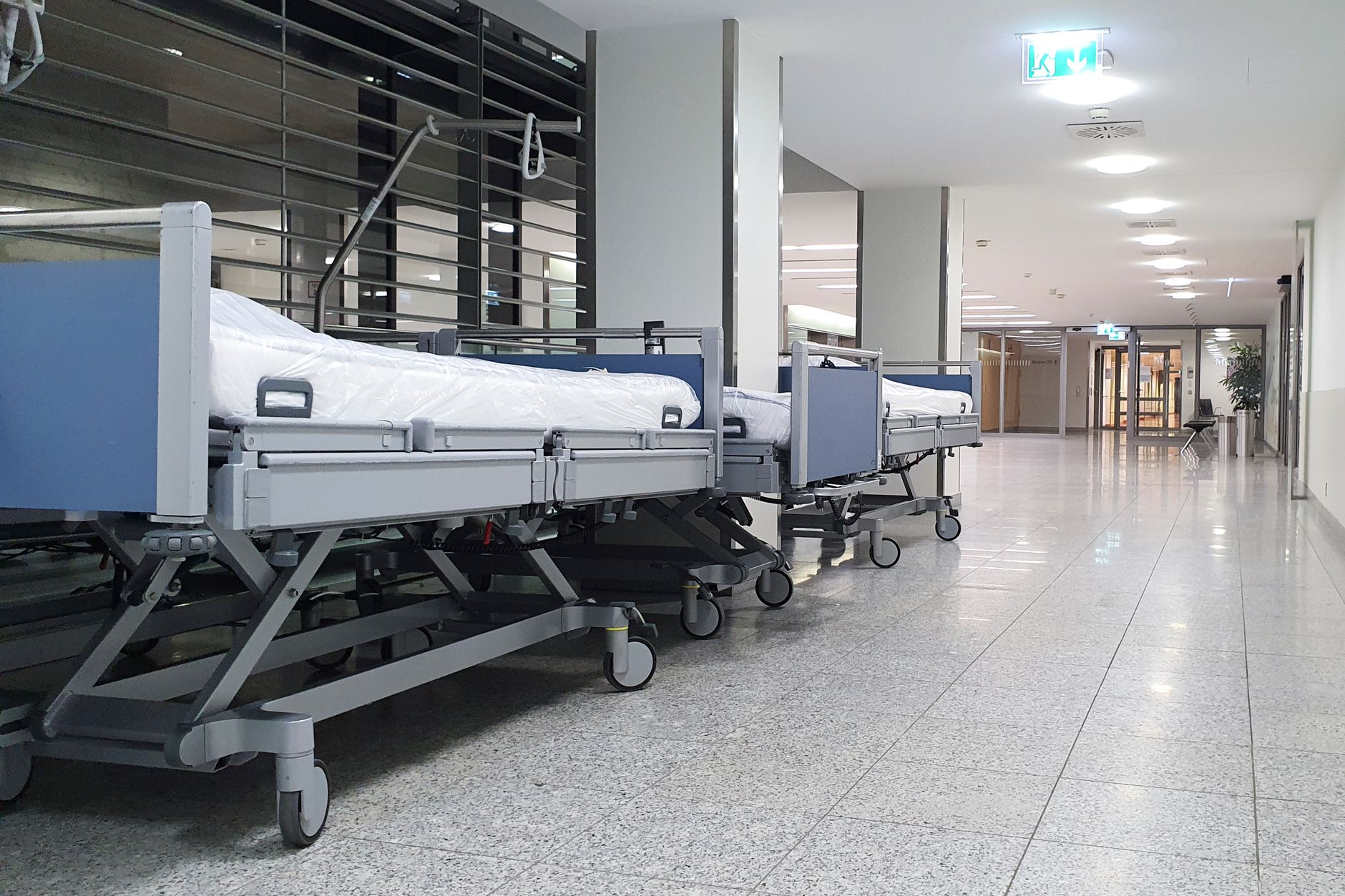
Sydney's ERs recorded their busiest winter day ever, prompting urgent pleas: skip hospitals unless life is in danger.
Sydney's emergency departments have experienced an unprecedented surge in patients, recording their busiest winter day ever on Monday. With nearly 10,000 attendances, health officials are sounding the alarm and urging the public to steer clear of hospitals unless their lives are genuinely at risk.
Record Pressure on Emergency Departments
New South Wales Health Minister Ryan Park revealed that just under 10,000 people presented to emergency departments across Sydney on Monday, the largest number ever recorded for a winter day. This figure is roughly 1,000 higher than the daily average, highlighting the intense strain on the healthcare system. Park noted that the hardest-hit areas were in western and south-western Sydney, where demand has been particularly acute.
Adding to the pressure, ambulance services handled 4,100 callouts that day, a number significantly exceeding forecasts. Park described the situation as a clear demonstration of the enormous pressure frontline health workers are currently facing.
Government Action and Public Advice
In response, the state government has established a permanent command centre to coordinate hospital demand during the peak winter period. The centre will work alongside 17 local health districts and NSW Ambulance to redirect patients away from emergency departments with high presentation numbers. Some hospital services will also see extended operational hours, including later evenings and weekends, to better manage patient flow.
Park emphasized that emergency departments should only be used for genuine emergencies. “There is no need to go to an emergency department unless it is an emergency,” he said, advising people to instead contact Healthdirect, a 24/7 phone service staffed by registered nurses, or visit urgent care clinics that typically operate from 8am to 8pm. The government is exploring options to extend these services further to accommodate growing demand.
Respiratory Illnesses and Vaccine Hesitancy
The latest surveillance data from NSW Health, for the week ending 25 July, shows influenza and RSV (respiratory syncytial virus) at moderate levels, while COVID-19 remains low. Around 400 influenza-related emergency presentations were recorded that week, a notable increase from recent weeks but still well below the peak of over 1,000 seen in July 2025. Additionally, there were 2,509 notified cases of influenza, a number health authorities expect to rise as winter takes hold.
Park attributed the growing strain partly to vaccine hesitancy, a lingering consequence of the pandemic. He said there have been challenges in encouraging people to get their flu shot, which costs $15 for most adults but is free for those under five, over 64, and other vulnerable groups. “We have had vaccine hesitancy off the back of Covid... and this is what health systems are dealing with, not just in our country but around the world,” he said, stressing the need to change that mindset.
Systemic Challenges Beyond the Winter Surge
Park also highlighted a longstanding issue: approximately 1,300 patients are “stuck” in NSW hospitals because they cannot be discharged to aged care or NDIS (National Disability Insurance Scheme) placements. He cited a conversation with an emergency director at Westmead Hospital, who described the frustration of trying to free up beds by moving patients back into the community. This problem compounds the pressure caused by the winter influx.
Premier Chris Minns echoed these concerns, telling radio station 2GB that emergency services are bracing for the “worst three weeks of the year.” He noted that many emergency departments in areas like Maitland, Cessnock, and Western Sydney have reported a late-starting but hard-hitting flu season. “To the extent that you can go to an urgent care clinic or see your GP... If it’s not life-threatening, we genuinely suggest that you do that,” he said, so that hospital doctors and nurses can focus on the most critical patients.
As the cold weather persists, the pressure on hospitals is expected to intensify. Health officials are urging the public to be proactive about their health, consider vaccination, and use alternative services for non-emergency needs. With the new command centre and extended hours, the system is adapting, but the next few weeks will be crucial in determining whether these measures can effectively manage the surge.