Oil Firms Above $125, Latin American Stocks Diverge

WTI crude rose 1.25% to $125.51, lifting Petrobras and YPF while Ecopetrol slipped. Guyana's output nears 900k bpd, but Mexico and Venezuela face structural headwinds.
Oil prices firmed in the latest trading session, with the USO exchange-traded fund tracking WTI crude closing at $125.51, up 1.25% day-on-day on July 20, 2026. The uptick provided a broadly constructive backdrop for Latin American oil producers, but stock performance across the region showed notable divergence, underscoring that company-specific factors remain decisive even when the global crude tide lifts all boats.
Regional Stock Movers
Brazil's Petrobras ended the session at $18.19, rising 1.22% in sympathy with crude. Argentina's YPF climbed 1.53% to $50.44, extending its recent gains on the back of stronger shale output and robust first-quarter profits of $409 million. In contrast, Colombia's Ecopetrol slipped 0.37% to $16.03, highlighting that even a firm oil tape cannot mask individual company headwinds. For investors, the message is clear: while WTI direction sets the tone, execution, production growth, and policy environments separate winners from laggards.

Guyana: The Standout Growth Engine
Guyana continues to dominate the regional supply narrative. Production is already approaching 900,000 barrels per day (bpd) in early 2026, and government receipts have neared $2 billion in the first half of the year. The country's offshore boom remains the most compelling growth story in Latin America, with steady increases expected as new phases come online. Unlike some of its peers, Guyana's trajectory is driven more by geology and investment than by policy uncertainty, making it a favorite among international investors seeking exposure to non-OPEC supply growth.
Structural Constraints: Mexico and Venezuela
Mexico and Venezuela offer a stark contrast. Both countries remain constrained by structural limitations rather than near-term price upside. Mexico's Pemex continues to struggle with legacy debt and declining output, while Venezuela's export volumes hover around 1.2 million bpd in June, shaped more by sanctions and licensing regimes than by reservoir potential. Despite higher crude prices, the ability of these producers to ramp up investment and production is severely limited. The variable to watch is whether sustained firm oil can finance incremental activity or whether policy bottlenecks will persist.
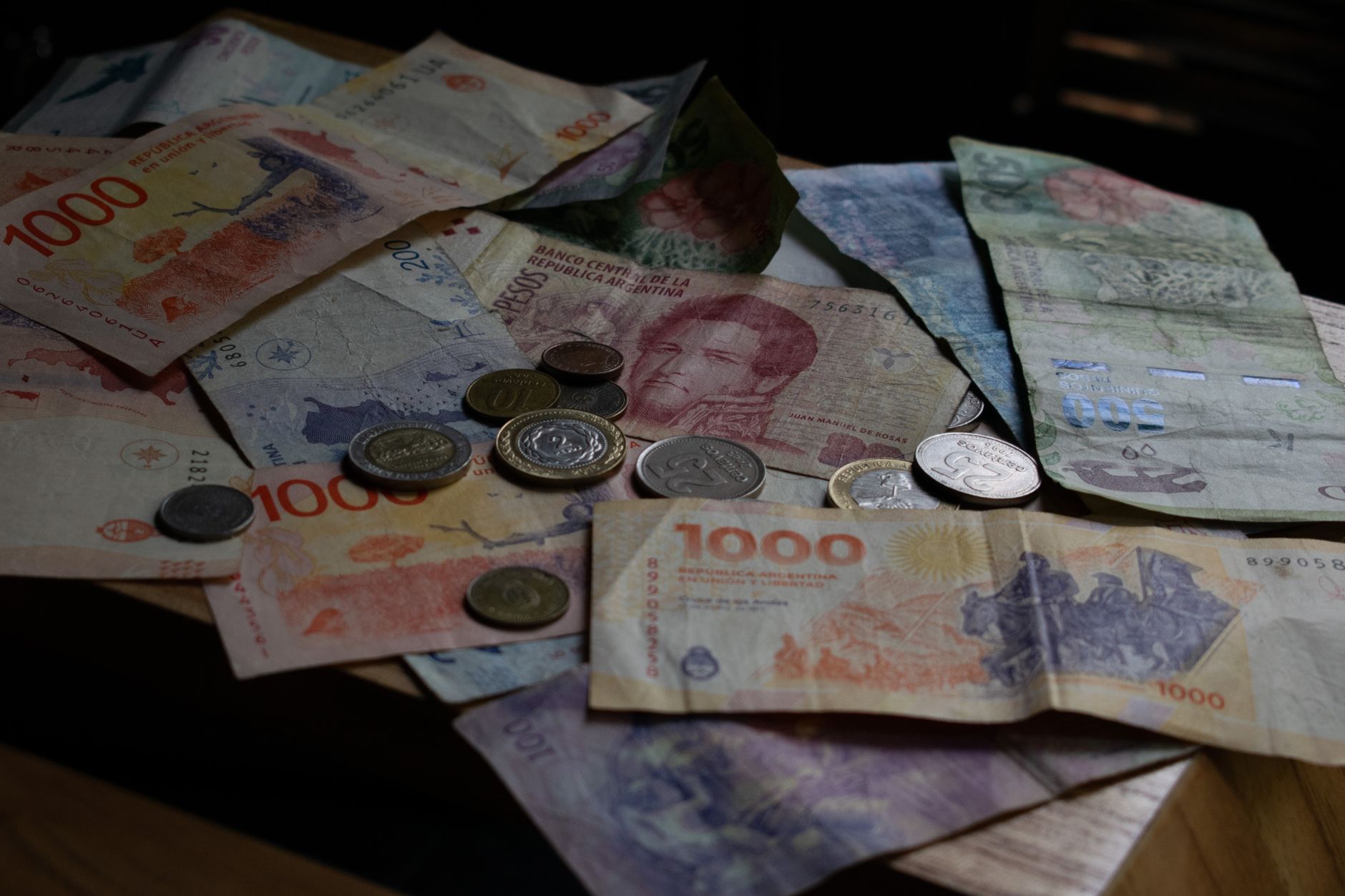
Argentina and Brazil: Leveraged to Crude Strength
Argentina and Brazil benefit most from a constructive oil environment. Brazil's Petrobras has deepwater pre-salt assets that respond well to higher prices, while Argentina's YPF is boosting output from the Vaca Muerta shale formation. YPF's first-quarter profit of $409 million reflects the improving economics of shale development. Both companies are better positioned to compound returns if crude holds above $120, but they also face domestic policy risks—price controls in Argentina and fuel pricing debates in Brazil can quickly temper investor enthusiasm.
Looking ahead, the key question is whether the current crude price strength can persist long enough to sustain financing, investment, and export momentum across Latin America. For now, the market is pricing in both supply growth and policy risk, rewarding names with clear leverage to production and penalizing those mired in structural challenges. WTI remains the single most important variable to monitor.