Oil Hits $100 Per Barrel as Houthi Attacks Roil Red Sea
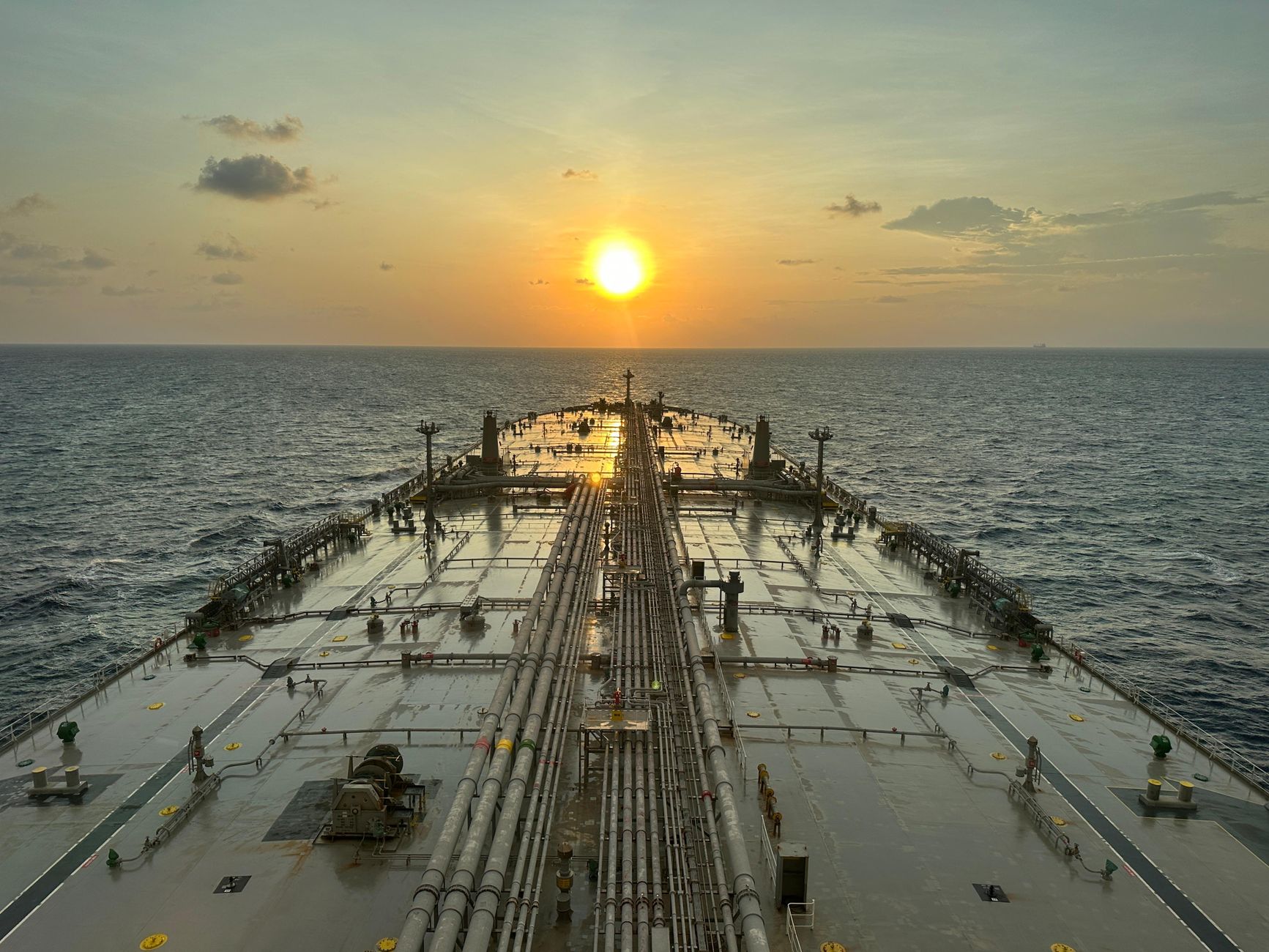
Oil prices surged past $100 a barrel after Houthi militants attacked ships in the Red Sea, escalating Middle East tensions and threatening global supply chains.
Oil prices surged past $100 per barrel on Thursday, driven by a sharp escalation in Middle East tensions after Houthi militants attacked commercial vessels in the Red Sea. The attacks, which targeted ships linked to Israel and the West, have raised fears of a broader conflict involving Iran and disrupted one of the world's most critical energy trade routes.
Red Sea Under Siege
The Houthi group, an Iran-aligned militia controlling large parts of Yemen, has repeatedly struck vessels in the Red Sea since November, claiming solidarity with Palestinians in Gaza. The latest attacks on Thursday targeted multiple ships, forcing some to alter course and sparking a rush to secure naval escorts. The European Union's Operation Aspides, a maritime security mission, confirmed the incidents, calling them a direct threat to international shipping and global energy security. The Red Sea is a vital corridor for oil and liquefied natural gas shipments, with about 12% of global seaborne oil passing through the Bab el-Mandeb strait. Any sustained disruption forces tankers to take the longer route around Africa, adding days to voyages and raising costs.
Iran's Shadow Looms
While the Houthis operate independently, they are funded and armed by Tehran. The attacks are widely seen as a proxy front in Iran's confrontation with Israel and the United States. Although Tehran has denied direct involvement, the escalation threatens to draw in regional powers and complicate ongoing diplomatic efforts to contain the Gaza war. The Biden administration has responded by striking Houthi positions in Yemen, but the group has continued its maritime campaign, vowing to expand targets. Analysts warn that any misstep could trigger a full-blown confrontation with Iran, potentially disrupting oil flows from the Persian Gulf itself.
Market Frenzy
Oil benchmarks Brent and West Texas Intermediate jumped more than 3% on Thursday, breaching the $100 mark for the first time in months. The rally was amplified by speculative buying and concerns over supply tightness, with OPEC+ already curbing output. Traders are now pricing in a risk premium that reflects the possibility of a wider war. 'We are seeing a classic geopolitical shock,' said one energy analyst. 'The Red Sea is the world's most important chokepoint for energy transit, and any sustained closure could send prices much higher.' The spike compounds inflationary pressures worldwide, complicating central banks' efforts to tame rising consumer prices.
What Lies Ahead
The immediate outlook hinges on whether the Houthi attacks intensify or de-escalate. Diplomatic channels remain open, with the UN and regional powers pushing for a ceasefire in Yemen and a halt to Red Sea strikes. However, the Houthis have linked their actions to the war in Gaza, making a resolution unlikely without a broader truce. In the meantime, shipping companies are increasingly routing vessels via the Cape of Good Hope, adding costs that will eventually reach consumers. If oil stays above $100, it could weigh on global economic growth and reignite energy security debates. The next few days will be critical as markets brace for further volatility.