Orca rams sunfish so hard it explodes in new hunting technique
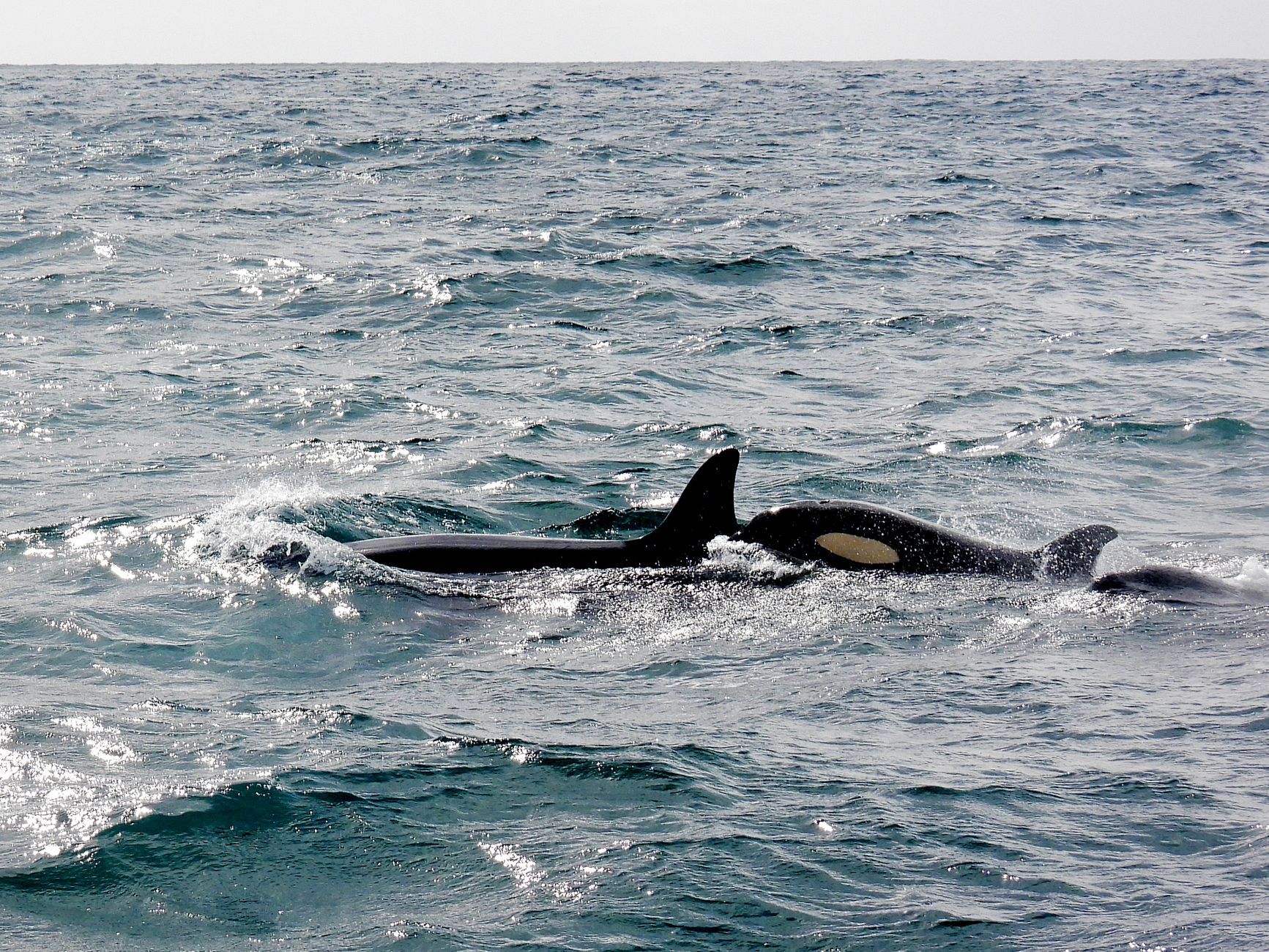
Footage shows an orca ramming a sunfish with such force that it explodes into a cloud of flesh, revealing a new hunting technique that highlights the intelligence of these apex predators.
In a stunning display of marine predation, researchers have captured footage of an orca ramming a sharp-tail sunfish with such velocity that the fish explodes into a mist of tissue. The event, recorded off the Gulf of California, left scientist Dr Kathryn Ayres exclaiming underwater, and has been described as the orca equivalent of making baby food. The study, published in Frontiers in Ethology, documents a new behavior dubbed the “ram-to-fragment” technique, offering fresh insight into the ruthless intelligence of the ocean’s apex predator.
The ‘Ram-to-Fragment’ Technique
In the video, a female orca holds the sunfish steady by its tail fin while a male torpedoes forward. With perfect timing, the female releases the fish and the male smashes into it with an audible splat. Within a millisecond, the animal is reduced to a cloud of flesh, skin, and internal organs. Dr Ayres, a researcher with the non-profit organisation Beneath The Waves, suggests this may be a way to help younger orcas feed more easily—or simply a form of play. “Orcas are known for playing with their food,” she said. After the explosion, a juvenile orca swam in to consume the sunfish smoothie, lending credence to the idea that this is a form of parental investment. Orcas are known to shred prey and share it with calves, making this technique a sophisticated processing method rather than a killing blow. The researchers note that a similar instance was observed last year, where orcas held and rammed prey that were already deceased, indicating the behavior is for fragmentation.

Why Sunfish? Tough Prey, Innovative Solution
Sunfish, often memed as the world’s dumbest fish, can grow up to three metres long and weigh two tonnes. Despite their clumsy reputation, they can manoeuvre quickly using their large dorsal and anal fins. But against a coordinated pod of orcas, they stand little chance. Dr Kerryn Parkinson, a fish expert at the Australian Museum, describes the footage as “very impressive and disturbing” but not surprising, given orcas’ mastery of hunting techniques. Sunfish lack traditional scales, instead having rough skin made of denticles, similar to sharks. Their flesh is extremely tough and dense—Parkinson recalls that during an autopsy, “it took a lot of elbow grease to get muscle tissue.” This density may explain why orcas chose to detonate the sunfish to make it easier to devour. Additionally, sunfish possess a gelatinous layer of collagen called the “capsule,” rich in microbial life. Releasing this microbiome into the water column could offer nutritional and health benefits to the orcas.
Orcas: Masters of Inventive Hunting
Orcas are highly intelligent and social predators, with different pods across the globe refining unique hunting strategies for specific prey—from humpback whales and sea lions to white sharks and chinook salmon. In recent years, some pods have even begun attacking boats, another example of inventive and destructive fun. Whale scientist Dr Vanessa Pirotta, writing in The Conversation, likened the sunfish ramming to “whacking a piñata” to release tasty treats. Dr Ayres emphasizes that we are still discovering new techniques: “They’re one of the most iconic marine predators in the world, yet they continue to surprise us.” This behavior underscores the cultural transmission of hunting tactics within orca societies and their ability to adapt to different prey types.

Implications and Future Research
The “ram-to-fragment” technique adds to a growing body of evidence that orcas are not only versatile but also innovative in processing their food. The nutritional payoff from the sunfish’s collagen capsule may provide a key benefit, and the behavior may be taught to younger generations. Researchers hope to observe more instances to understand how widespread the technique is and whether it is culturally transmitted. As Ayres notes, each new observation reveals the depth of orca intelligence. The study opens the door to further exploration of how these apex predators solve the challenges of consuming large, tough prey.