No breakthrough on Strait of Hormuz as Trump halts attack on Iran

President Trump called off a major strike on Iran, citing a deal, but the Strait of Hormuz remains blocked and tensions persist.
President Donald Trump on Sunday called off a threatened military attack on Iran, saying the “perimeters of a deal” had been agreed with Tehran and other regional countries. Yet the strategic Strait of Hormuz remained closed to shipping, with Iran's Islamic Revolutionary Guard Corps (IRGC) still blocking vessels and no breakthrough in sight.
A Halting of Strikes, Not a Resolution
In a social media post early on Sunday, Trump said the potential agreement would include the “Immediate, Complete, and Total Opening of the Hormuz Strait, and an end to Iran’s nuclear threat.” The president said his decision to halt the attack came after a request from Iran and other regional nations.
But Iran’s acting Defence Minister, Brigadier General Majid Ebn-e-Reza, dismissed the move as part of “psychological operations and a war of calculations.” In a social media post, he insisted that Iran’s armed forces treat every threat as real, adding: “We will neither be taken by surprise nor will we be passive.”
Strait Still Under Iranian Control
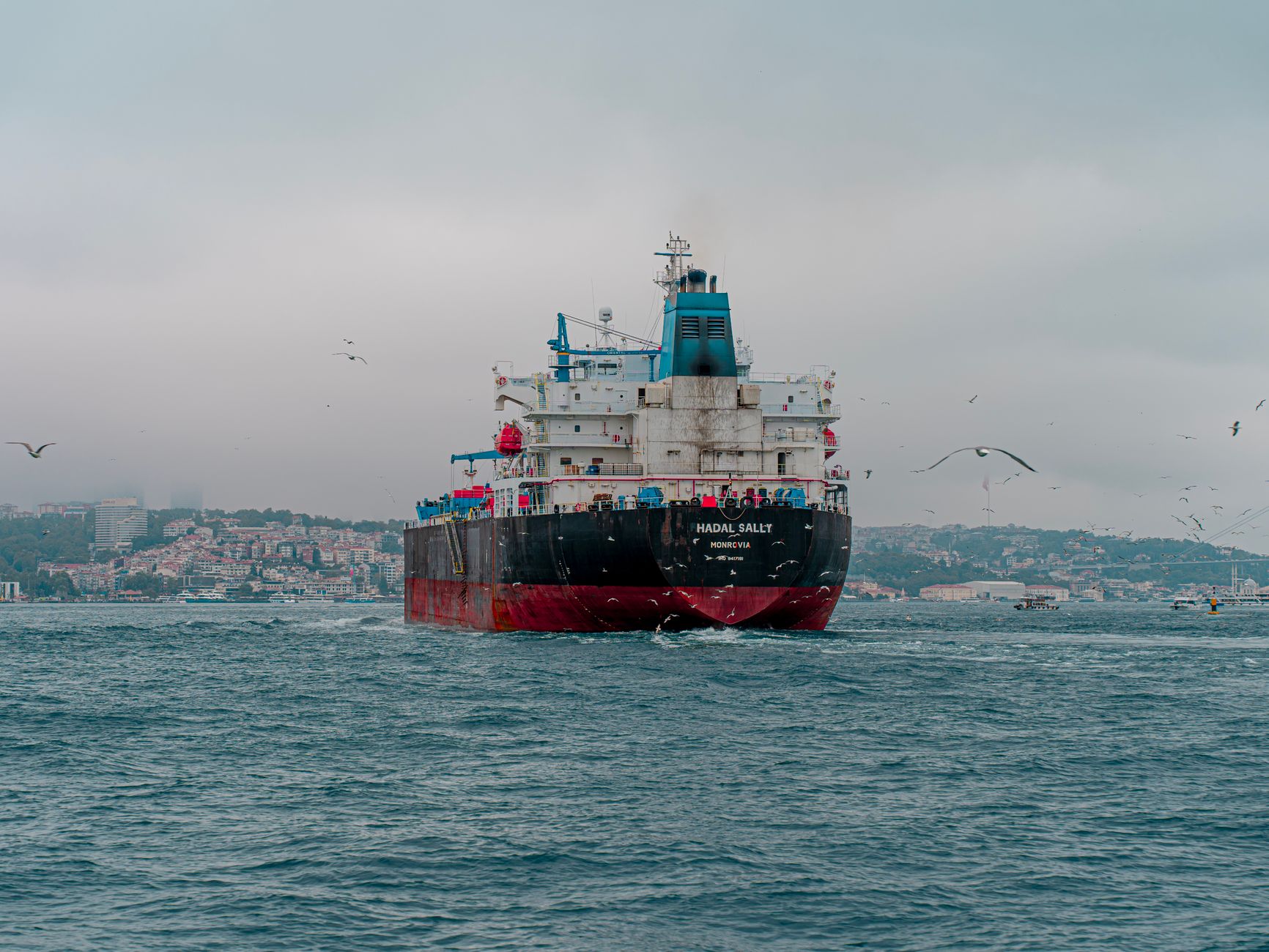
Despite the apparent de-escalation, the vital waterway remained effectively shut. The Fars news agency, affiliated with the IRGC, reported that numerous ships were stuck in the northern corridor of the strait in Iranian waters on Sunday noon, and that they could only pass if Iran’s armed forces allowed. Iranian authorities said the same would apply to a southern corridor passing through Omani territorial waters.
The United States had argued that a memorandum of understanding (MoU) reached in June entitled ships to use the southern passage, but Iran maintained that the agreement left its military in charge of arranging transit. The IRGC has continued to turn back or strike vessels attempting the route near the Omani coast, and the conflict has also spilled into the Red Sea and Bab al-Mandeb, where Iran-aligned Houthi forces in Yemen have attacked Saudi energy infrastructure.
Diplomatic Fury in the Background
Regional diplomacy has intensified. Saudi Arabia’s Crown Prince Mohammed bin Salman spoke with Trump before the announcement, with state media reporting that he stressed the need to prioritise dialogue “to reduce escalation and the importance of making every possible effort to achieve calm that paves the way for diplomatic solution.” Iran’s Foreign Minister Abbas Araghchi also held a call with his Saudi counterpart, Faisal bin Farhan, on Saturday night.
Other mediators, including Pakistan, Qatar, Oman, and Turkiye, have been exchanging messages to nudge both sides toward an agreement after the June MoU collapsed in less than a month. That understanding had partially reopened the strait in exchange for lifting a US blockade on Iran’s southern ports and a two-month relief from oil sanctions. All provisions have since been rolled back, with military strikes resumed and fears of a wider regional conflagration growing.
In Tehran, residents have grown weary of the repeated cycles of threats and counter-threats. “I didn’t pay too much attention to the latest cycle of threats,” Rana, a resident of western Tehran, told Al Jazeera. “I’m stressed that they will hit urban centres again soon, but we have no choice on what happens next.” Hours before Trump’s announcement, one Iranian social media user joked on X: “My knowledge of Trump tells me by morning he will be writing a lengthy text to say he has reached some sort of an understanding with the right people that they had not reached before.”

What Comes Next
The region was relatively calmer on Sunday, with neither Iran nor the United States launching new attacks. But the underlying issues remain unresolved. Iran’s wartime military command has warned that US and other regional interests could be struck in tit-for-tat attacks if Washington moves against Iranian civilian infrastructure, including power plants and petrochemical facilities.
The absence of a clear breakthrough means the risk of miscalculation stays high. Trump has shown a pattern of pulling back from the brink before, including a similar halt ahead of a ceasefire in April, yet the closure of the Strait of Hormuz continues to disrupt global energy supplies and regional security. For now, both sides appear to be probing the other’s limits, with the door left slightly ajar for genuine negotiation—but no one is yet stepping through.