Russian missile strikes kill 9 in Kyiv as Ukraine sinks Rosatom ship
Nine dead in Kyiv as Russian ballistic missiles hit residential areas, while Ukraine destroys a sanctioned container ship in the Black Sea.
At least nine people were killed and 28 others injured in Russian ballistic missile strikes on Kyiv on Saturday morning, Ukrainian officials said, in a sharp escalation of attacks on the capital that has left residents reeling and heightened calls for advanced air defense systems.
Deadly strikes on the capital
The Ukrainian State Emergency Service reported that the strikes hit several districts, igniting fires and cutting power in some areas. In the Darnytskyi district, seven people were killed and 14 wounded, including two children, when a missile struck a residential area. In the Solomyanskyi district, two more people died and eight were injured, including two children, as a five-storey building was partially destroyed.
Kyiv's mayor, Vitali Klitschko, said the capital had come under a ballistic missile attack, with local media reporting more than 10 explosions. A residential building in the Shevchenkivskyi district was partially destroyed, trapping residents inside. The Lithuanian foreign ministry reported that a missile landed near its embassy, breaking windows and scattering debris in the compound.
The assault follows a widespread Russian attack on Ukraine two days earlier that killed at least eight people, including six members of one family, and saw a suspected Russian cruise missile land in Poland. That incursion into NATO territory sparked international condemnation and raised fears of a broader conflict.
Ukraine sinks Russian container ship
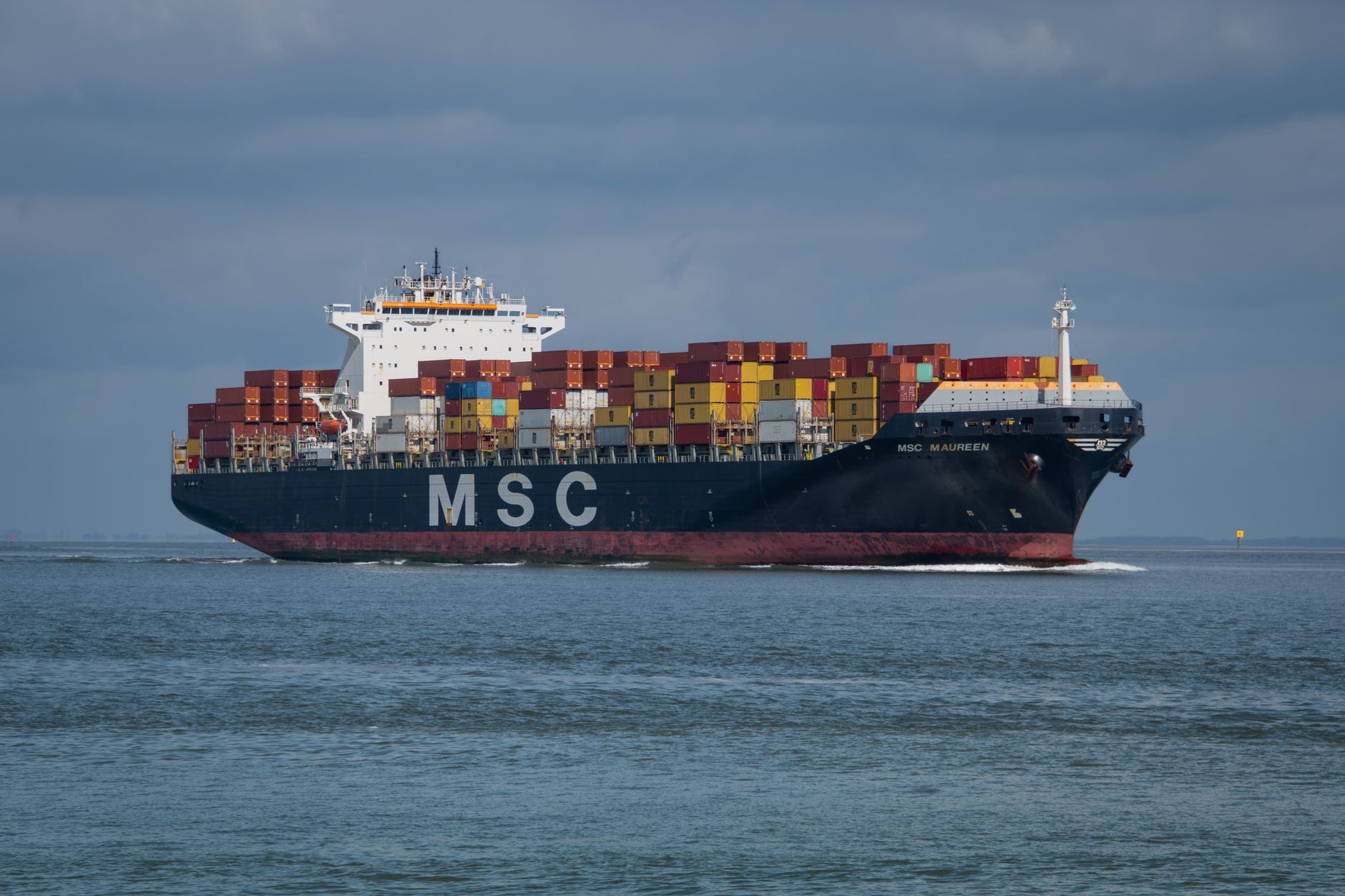
In a separate development, Ukrainian drones sank a Russian-owned container ship in the Black Sea early Saturday, President Volodymyr Zelensky confirmed. The vessel, named Yanina, was a 100,000-tonne capacity ship owned by Russia's state nuclear operator Rosatom. All 17 crew members were forced to abandon ship and were reported to be in good condition.
Rosatom's CEO, Alexey Likhachev, denounced the attack, calling it "piracy and robbery." He said the ship had been transporting civilian goods, including frozen food and construction materials. The Russian news outlet Stsana Rosatom reported the attack occurred about 130 miles from Novorossiysk, a major Russian port.
Ukraine has increasingly targeted Russian-flagged ships in the Black Sea since Russia's full-scale invasion in 2022. Kyiv accuses Moscow of using civilian vessels to transport sanctioned goods, including oil. The sinking of the Yanina marks a significant blow to Russia's logistics in the region.
Zelensky pushes for Patriot missiles
The missile strikes on Kyiv came just days after Zelensky met with President Donald Trump in Washington to urge the United States to grant Ukraine a license to produce Patriot interceptor missiles, the only weapon in Kyiv's arsenal capable of shooting down ballistic missiles.
Asked about the matter during a cabinet meeting at Camp David on Friday, Trump said the US had not agreed to the proposal but that talks were ongoing. He expressed caution about sharing advanced US weapons technology, saying it was "a big step" and noting that "those people that you give that technology can someday turn on you." His remarks tempered earlier suggestions that he might offer Ukraine the right to produce the missiles.
Zelensky said Friday he followed up with a "good" phone call with Vice President JD Vance. "As Russia's air attacks on our country continue unabated, air defense – specifically Patriot interceptors against ballistic missiles – remains a top priority," he posted on X.
Next steps
The latest strikes underscore the urgent need for enhanced air defense capabilities as Russia intensifies its campaign against Ukrainian cities. While Ukraine continues to probe vulnerabilities in Russia's maritime operations, its diplomatic push to secure domestic production of Patriot missiles faces an uncertain response from Washington. With both nations showing no signs of de-escalation, the coming weeks will likely bring further tests at the negotiating table and on the battlefield.