Israel-Lebanon talks set for early August in Rome, US says
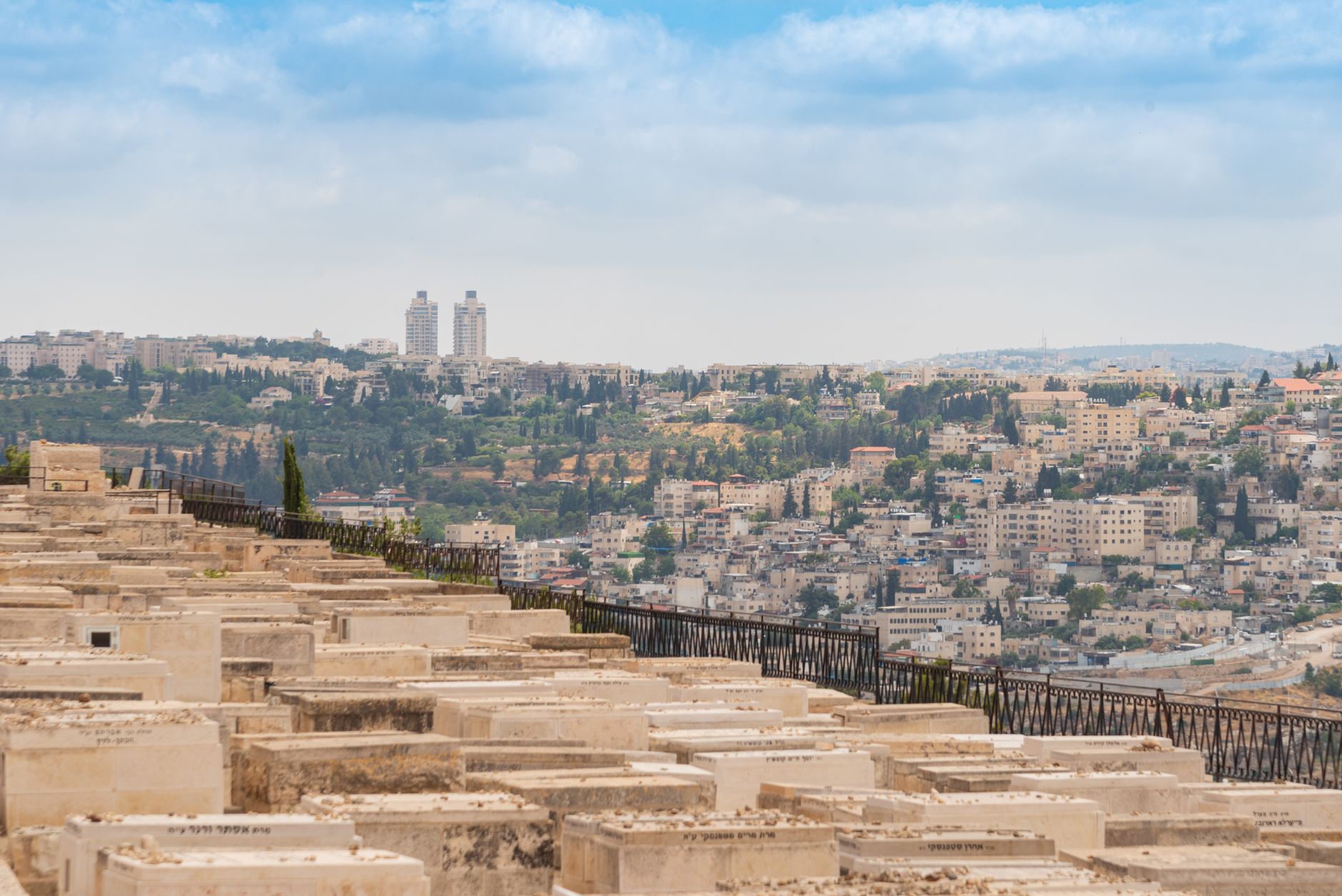
Negotiators will convene in Rome early August to build on a recent framework agreement. The talks aim to resolve border disputes and expand pilot areas in southern Lebanon.
The next round of negotiations between Israel and Lebanon is scheduled to take place in early August in Rome, a U.S. official confirmed. The talks, mediated by the United States, are designed to advance a trilateral framework agreement signed on June 27, 2026, following months of diplomacy.
Focus on border resolution and pilot areas
The negotiators will concentrate on three key areas: formalizing the trilateral framework, resolving outstanding border issues, and expanding pilot areas in southern Lebanon. The pilot areas are part of a confidence-building measure aimed at reducing tensions along the volatile frontier. The framework agreement, signed near the border town of Metula, Israel, established a foundation for dialogue but left several technical and territorial details unresolved.
Background of the talks
The U.S.-led mediation has been a rare channel of communication between the two neighbors, which remain technically in a state of war. The June 2026 accord was hailed as a breakthrough after years of stalemate, but both sides acknowledge that substantive work remains. The upcoming Rome session will be the first high-level meeting since the framework was signed, and expectations are tempered by the complexity of the issues at stake.
Implications for regional stability
Success in Rome could unlock further cooperation, including potential economic benefits from offshore energy exploration. The border disputes, particularly over maritime boundaries, have long been a flashpoint. Expanding pilot areas may also allow for gradual normalization of security arrangements. A U.S. official, speaking on condition of anonymity, stressed that the administration remains committed to facilitating a sustainable resolution.
As the August talks approach, both Israeli and Lebanese delegations are expected to arrive with detailed proposals. The outcome will likely shape the next phase of the U.S. diplomatic push in the region. For now, the schedule in Rome offers a concrete step forward in a process that has seen many false starts.