Neha, CJP protests face, continues hunger strike for education reforms
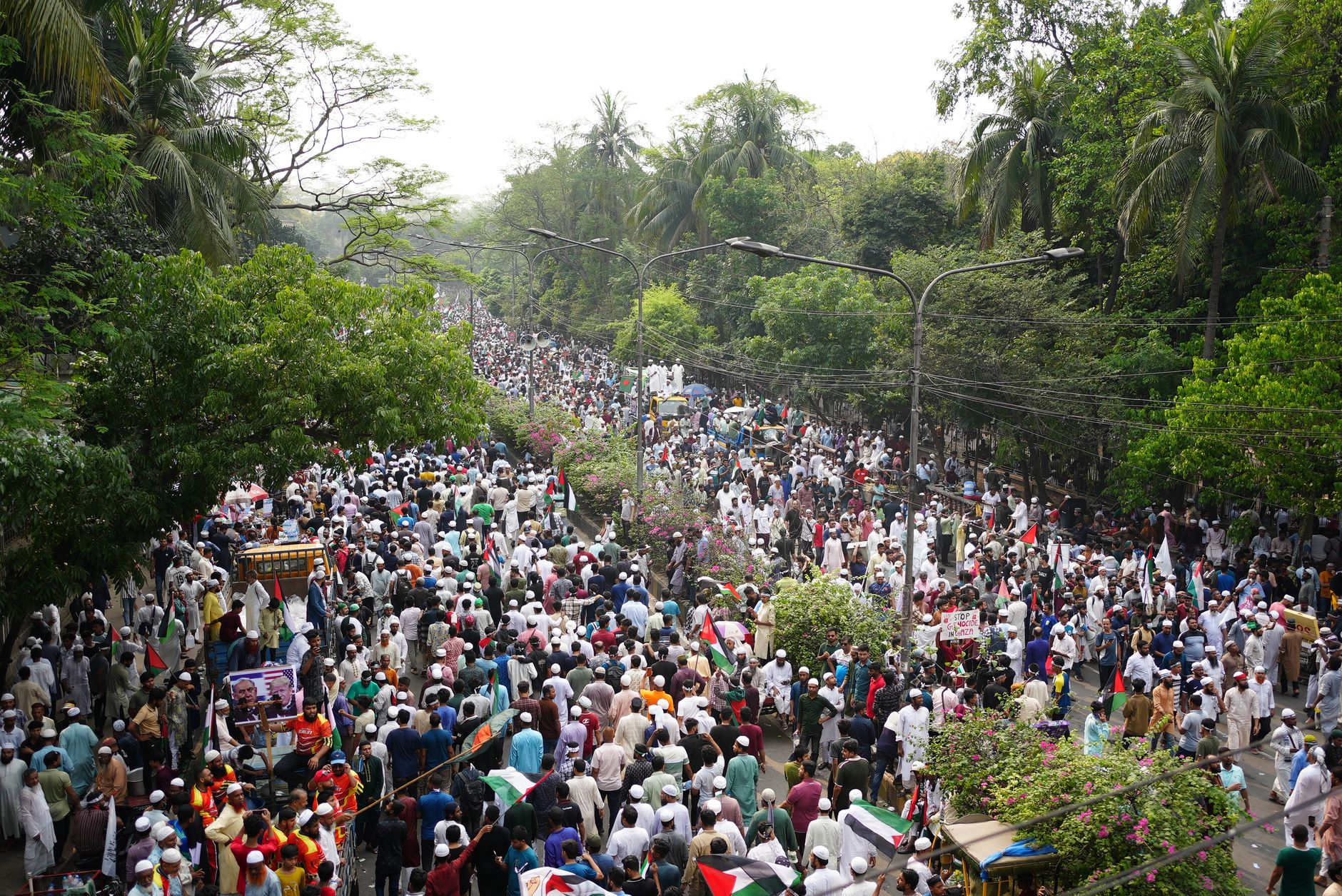
Neha, a key figure in the Combined Joint Protest movement, continues her hunger strike demanding education reforms. She vows to resist what she calls the BJP's divisive politics.
Neha, the national president of the All India Students’ Association (AISA), along with two colleagues, is continuing her hunger strike to demand comprehensive reforms in India's education system. The protest, part of the broader Combined Joint Protest (CJP) movement, has drawn attention to issues of accessibility, affordability, and quality in higher education. Neha has vowed to persist until their demands are met, stating that the struggle is about reminding citizens that the divisive politics promoted by the ruling Bharatiya Janata Party (BJP) does not represent the country's true legacy.
Background of the CJP Movement
The CJP movement emerged as a coalition of student organizations and civil society groups calling for significant changes in educational policy. Key demands include increased public funding for universities, equitable access for marginalized communities, and a reversal of what critics call the privatization and commercialization of education. The protests have gained momentum over the past year, with sit-ins, marches, and hunger strikes becoming common tactics. Neha, a prominent face of the movement, has been at the forefront, articulating the frustrations of students who feel the current system favors the wealthy and perpetuates social inequalities.
The Hunger Strike Continues
Neha and her two colleagues initiated the hunger strike several days ago, and they have refused to eat until the government responds to their demands. They have been receiving medical supervision but remain resolute. In her recent statements, Neha stressed that the protest is not merely about immediate policy changes but about challenging the broader ideological direction of the country. She argued that the BJP's emphasis on divisive identity politics undermines the secular and inclusive ethos of India's educational institutions. The hunger strike has garnered support from various opposition parties and activist groups, though the government has so far dismissed the protest as politically motivated.
Political Context and Response
The hunger strike comes amid a charged political atmosphere in India. The BJP-led central government has faced criticism for its handling of education, with detractors pointing to cuts in research funding and the imposition of a new National Education Policy that some see as favoring private players. Meanwhile, the government maintains that it is committed to reforming education to make it more skill-oriented and globally competitive. The CJP protesters, however, argue that the real motive is to consolidate control and push a nationalist agenda. Neha's remarks directly challenge this narrative, calling for a return to the principles of social justice and academic freedom that she believes were foundational to India's post-independence education system.
Outlook and Implications
As the hunger strike continues, the pressure on the government is likely to intensify. Supporters are planning solidarity protests across campuses in major cities. The movement's leaders hope that sustained civil disobedience will force the administration to negotiate. The outcome remains uncertain, but Neha's determination signals that the CJP movement is not backing down. For now, the protest serves as a reminder of the deep-seated discontent among students and the ongoing battle over the direction of India's educational landscape. Whether this leads to concrete policy changes will depend on the government's willingness to engage with the protesters' demands.