More than 150 Migrants Rescued After Channel Boat Fire

A fiery Channel crossing ended in a major rescue operation as 157 migrants were saved by French and British teams. All were brought safely to Boulogne-sur-Mer.
At least 157 people were rescued from the English Channel on Saturday after a crowded boat carrying migrants caught fire mid-crossing, according to French authorities. The joint operation involving French and British rescue teams brought all those aboard safely to the port of Boulogne-sur-Mer in northern France.
The incident occurred during an attempted crossing from the French coast to Britain, a route that has become increasingly perilous as smugglers pack vulnerable people into flimsy inflatable dinghies. Witness images from the region earlier that day showed large groups wading into the surf at Gravelines, near Calais, attempting to board overloaded vessels.
Coordinated Rescue Effort
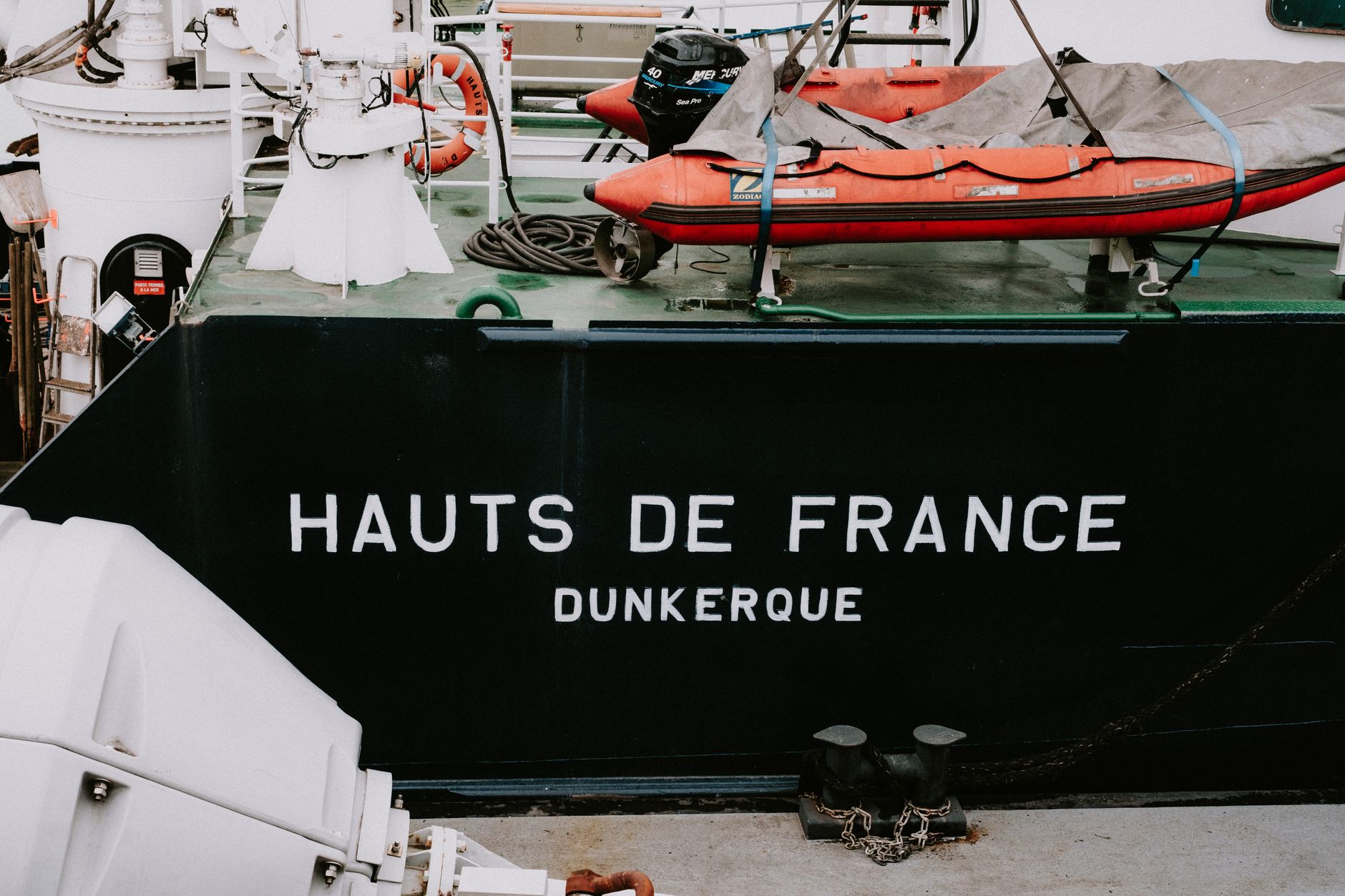
French and British maritime authorities deployed multiple vessels and aircraft to respond to the distress call after the boat caught fire. The quick coordination between cross-Channel emergency services was credited with saving dozens of lives. By the end of the operation, all 157 migrants had been pulled from the water and brought to safety in Boulogne-sur-Mer, where they received medical attention and processing.
The cause of the fire remains unclear, but accidents on these overcrowded boats are common. Engines fail, fuel leaks, and fires can break out as smugglers often use low-quality materials and overload their vessels far beyond safe capacity.
A Route Fraught with Danger
The English Channel is one of the world's busiest shipping lanes, yet thousands of migrants attempt the dangerous crossing every year. They are fleeing war, poverty, and persecution, and are willing to risk their lives in the hands of people smugglers who charge thousands of euros for a place on a boat that is rarely fit for open water.
Smugglers often launch at odd hours, in poor weather, with boats designed for far fewer passengers. Life jackets, if provided, are often inadequate or counterfeit. Rescue teams on both sides of the Channel have repeatedly warned of the growing risks as migrant numbers fluctuate.
The UK and France have intensified cooperation on border security, but the fundamental drivers of migration remain unchanged. Under a bilateral agreement, French police patrol beaches and intercept boats, but many still slip through. When boats do get into trouble, the priority is saving lives, regardless of the political debate around immigration.
Aftermath and Wider Implications
The rescued migrants were taken to Boulogne-sur-Mer, where authorities processed them and provided medical care. Such operations stretch local resources and highlight the ongoing humanitarian challenge facing coastal towns in northern France. Many migrants attempt multiple crossings after being rescued, adding to the strain.
Saturday's rescue is a stark reminder of the dangers posed by unseaworthy vessels. It also underscores the need for continuous investment in rescue capabilities and cross-border coordination. As weather improves in the coming months, the number of crossing attempts is expected to rise.
Looking Ahead
The incident will likely renew calls for more comprehensive migration policies and safe pathways. For now, the immediate focus is on the wellbeing of the 157 survivors, many of whom lost their belongings and may face an uncertain future. French and British officials are continuing to monitor the Channel, with more operations anticipated as the summer approaches.
The cooperation demonstrated on Saturday—swift, effective, and humanitarian—shows what can be achieved when neighboring countries work together to protect human life. Whether that spirit can extend to broader migration governance remains an open question.