Canadian wildfire smoke sickens 109M, Trump threatens tariffs
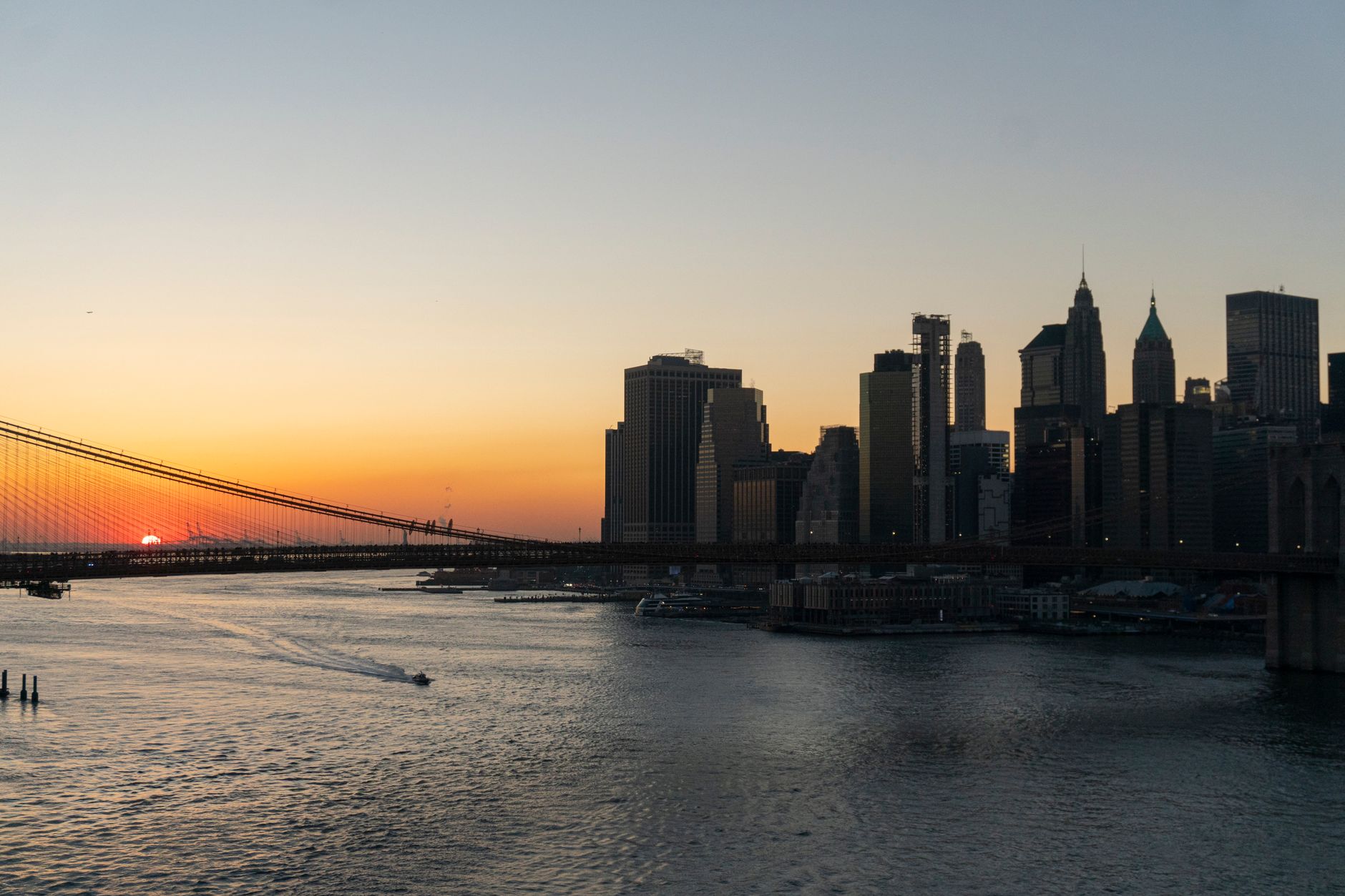
A massive plume of Canadian wildfire smoke descended on the US Midwest and Northeast, affecting 109 million people. President Trump blamed Canada and threatened tariffs.
Millions of Americans across the Midwest, mid-Atlantic and Northeast are choking under a thick blanket of smoke from Canadian wildfires, with air quality plummeting to hazardous levels in several major cities. The smoke, driven by over 200 uncontrolled blazes in Ontario and other provinces, has triggered health warnings for approximately 109 million people as of Friday. President Donald Trump waded into the crisis, blaming Canada for what he called "willful negligence" in managing its forests and threatening to impose additional tariffs on its northern neighbor.
Hazardous air quality grips major cities
Chicago and Detroit bore the brunt of the smoke on Friday, with the air quality index (AQI) reaching a "hazardous" 361 in Detroit, according to the government website AirNow. In Chicago, residents were urged to stay indoors and limit outdoor activity as the smoke turned skies an eerie orange. Baltimore and Washington DC woke up to “very unhealthy” AQI readings of 281 and 247, respectively. New York City, which has been under a smoky haze since Tuesday, recorded an AQI of 184 early Friday, later improving to 124—still considered unhealthy for sensitive groups. Philadelphia and Cleveland also saw readings near 260, classified as “very unhealthy,” while parts of Michigan, Minnesota and Wisconsin experienced “hazardous” conditions. Michigan’s Department of Environment, Great Lakes and Energy recommended closing windows, using high-efficiency HVAC filters, and wearing N95 or P100 respirators for any necessary outdoor exposure.
Trump blames Canada, threatens tariffs
President Trump took to Truth Social to accuse the Canadian government of failing to properly maintain its forests and brush, calling the resulting air pollution a “filthy, polluted, and unhealthy” invasion of the United States. “We are holding Canada responsible for the fact that they are not properly maintaining their Forests, and Brush therein, and the United States is being unnecessarily invaded by filthy, polluted, and unhealthy air, the quality of which is dangerous, and totally unacceptable!” he wrote. The post signaled potential new tariffs on Canadian goods, escalating trade tensions amid an environmental crisis that crosses borders.
Smoke could reach Europe, experts warn
The scale of the wildfire pollution is unprecedented, with satellite data from the Copernicus Atmosphere Monitoring Service showing smoke plumes traveling thousands of kilometers. Mark Parrington, a senior scientist at Copernicus, noted a clear intensification in wildfire activity across Canada over recent weeks. “Smoke from major fires—particularly in Ontario—is already having severe air-quality impacts across cities in the Great Lakes region and the north-eastern United States,” he said. “Our forecasts show the smoke continuing to move eastwards across the north Atlantic, and potentially towards Europe, highlighting how wildfire pollution can travel across borders and impact air quality far from the source.” Organizers of the World Cup final in East Rutherford, New Jersey, are closely monitoring smoke patterns to assess potential disruptions.
Relief expected for some regions
Not all areas will remain under smoke for long. Stronger winds from Quebec—which is not currently in the wildfire zone—are expected to push the smoke out of parts of the Northeast and New England on Friday, offering temporary respite. However, the overall trajectory suggests that the smoke will continue to drift eastward, affecting air quality across the North Atlantic in the coming days. The ongoing crisis underscores the growing impact of climate change on wildfire frequency and intensity, and the need for cross-border cooperation in managing environmental disasters that respect no political boundaries.
As millions of Americans continue to face unhealthy air, health officials advise limiting outdoor activities, using air purifiers indoors, and wearing masks when venturing outside. The situation remains fluid, with authorities in both the US and Canada monitoring fire activity and air quality forecasts closely. The long-term implications for public health, international relations, and forest management policies are likely to fuel further debate.