Miller Warns of 'Drastic Expansion' as Iran Strikes Loom
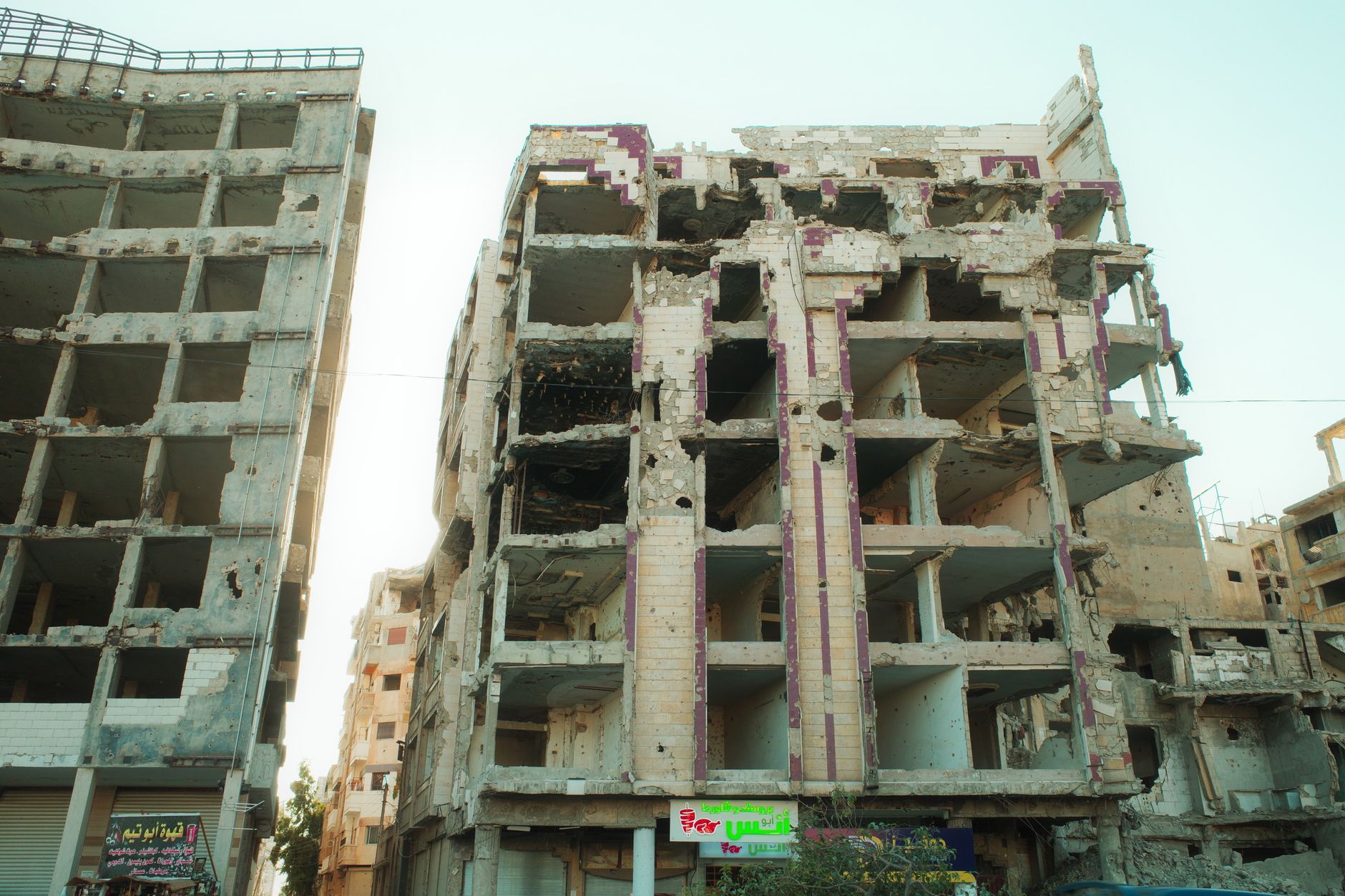
A top analyst warns that new US strikes on Iran could trigger a major regional escalation. Reports suggest a fresh round of attacks may begin as soon as this weekend.
As tensions soar in the Middle East, a prominent foreign policy analyst is warning that an anticipated U.S. military response against Iran could spiral into a far broader conflict. Aaron David Miller, a senior fellow at the Carnegie Endowment for International Peace, cautioned that fresh American strikes on Iranian territory would likely trigger a “major and drastic” expansion of hostilities, contradicting hopes that a limited bombing campaign could alter Tehran’s strategic calculus.
The Warning and the Current Crisis
Miller’s remarks arrive amid reports that President Donald Trump has ordered a new round of strikes that could begin as soon as this weekend. The U.S. and Israel are reportedly weighing strikes on Iranian energy infrastructure, a move that would represent a significant escalation in the long-running shadow war between the two nations. Miller, speaking on Bloomberg’s “Balance of Power” late edition, framed the situation as one with potentially severe unintended consequences.
The Carnegie fellow, known for his moderate and pragmatic analysis of Middle Eastern affairs, did not mince words about the dangers of the current trajectory. He suggested that even a “limited” campaign—designed to send a message rather than topple the regime—would likely fail to achieve its stated objectives. Instead, it could provoke Tehran into a more aggressive response, widening the conflict far beyond the current parameters.

Why Limited Strikes May Backfire
The core of Miller’s argument rests on a simple but ominous calculation: Iran does not respond to force in the way that many hawks in Washington and Jerusalem expect. With its economy already battered by sanctions and its proxies active across the region, Tehran has repeatedly shown a capacity to absorb punishment and retaliate asymmetrically. A short, sharp bombing campaign is unlikely to convince Iran’s leadership to change its course on nuclear enrichment, regional expansion, or support for militant groups.
Moreover, the specific targets being discussed—energy infrastructure—are central to Iran’s economic lifeline. Striking them could create a humanitarian and economic catastrophe, inflaming anti-American sentiment and handing Tehran a propaganda victory. Miller’s warning aligns with a broader school of thought that believes military pressure on Iran often produces the opposite of the desired effect, stiffening resolve rather than forcing concessions.
The Risk of Escalation
Miller did not outline a precise “worst-case scenario,” but the implications are clear. Iran has multiple options for retaliation: closing the Strait of Hormuz, launching missile or drone attacks on U.S. bases in the Gulf, or intensifying attacks by its proxies on Israel and American forces in Iraq and Syria. Any of these would draw the U.S. deeper into a regional conflagration, potentially requiring a larger military commitment than currently anticipated.
Impact on Gaza and Regional Stability
Beyond the immediate military calculus, Miller pointed to a crucial diplomatic casualty: the already fragile prospects for a ceasefire in Gaza. The ongoing conflict between Israel and Hamas has been a central focus of international diplomacy, with the U.S. playing a mediating role. Renewed escalation with Iran would almost certainly derail those efforts, as all parties focus on the wider war rather than narrow negotiations.
Hamas and other Iran-backed groups in the region are closely watching the outcome of U.S.-Iran tensions. A new crisis would give them reason to hold out, betting that a regional war would force Israel and its allies to divert attention and resources away from Gaza. Conversely, a de-escalation between Washington and Tehran could create the breathing room needed to make progress on a ceasefire. Miller’s warning suggests that the two issues are now inextricably linked.

What Happens Next
The immediate question is whether the reported strike order will actually be executed, and at what scope. U.S. officials have not publicly confirmed the plans, and presidential decision-making remains unpredictable. Miller’s intervention adds a sobering voice to the debate, urging policymakers to consider the costs before acting.
If strikes do proceed, the world will be watching for Iran’s response—and for whether the Biden-era “maximum pressure” policies are being revived, or whether this is a one-off retaliation for prior attacks on U.S. forces. Either way, the risk of a broader war is real, and the consequences would be felt far beyond the borders of Iran.
For now, Miller’s warning stands as a stark reminder that in the Middle East, the path to peace is often blocked by the very actions intended to secure it. As the weekend approaches, all eyes turn to Washington and Tehran, where decisions made in the coming days could determine the course of a region already devastated by conflict.