Iran Says Hormuz Deal Close, But Demands US Concessions
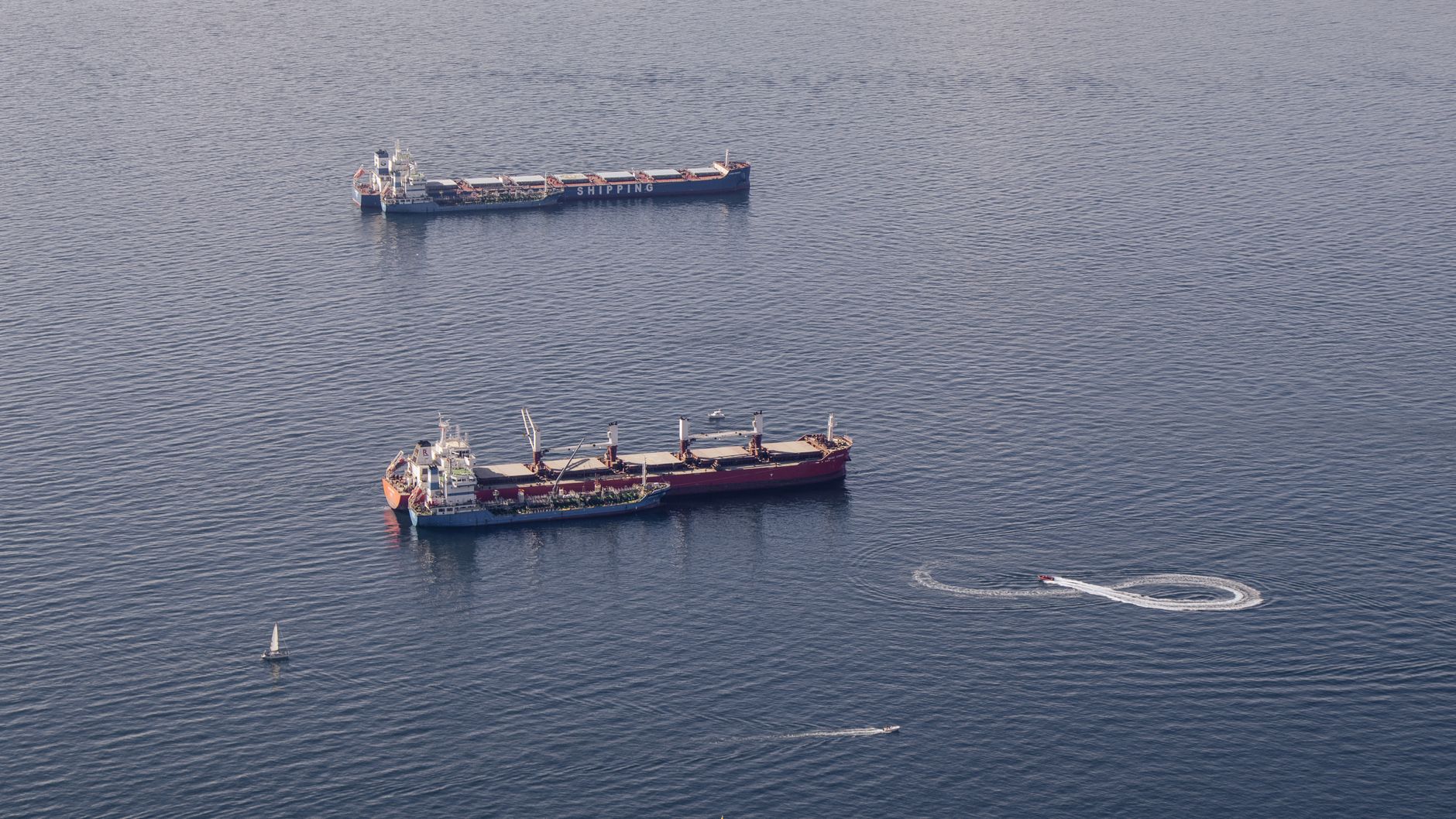
Iran says it is close to agreeing a temporary maritime route with Oman but reaffirmed hardline conditions for the US. Vice President Vance cautions that Washington is still 'in the middle of the game.'
Iran announced negotiators are "very close" to a deal with Oman on a temporary maritime transit route through the Strait of Hormuz, but renewed a list of strict demands that must be met by the United States before the crucial waterway can fully reopen. The development comes as attacks on oil tankers in the region continue to underscore the fragility of any agreement.
Iran's Conditions for Reopening
Iranian Foreign Minister Abbas Araghchi said talks were nearing agreement on a temporary route for ships entering and exiting the Persian Gulf. However, he cautioned that any deal would not lead to an immediate reopening of the strait, signalling that any relief for global energy supplies may be limited. "The opening of the strait is subject to other conditions, including compensation for the US' violations of the Islamabad Agreement," Araghchi said, referring to a short-lived memorandum of understanding that collapsed within a month over disagreements about control of Hormuz.
Beyond compensation, Tehran is demanding the US lift its naval blockade, withdraw military forces from around Iran, remove all sanctions, and unconditionally release frozen assets. Mohammad Bagher Zolghadr, a hardliner who heads Iran's Supreme National Security Council, issued a statement insisting that Washington must never threaten Iran again and must permanently end the war with Iran and its armed allies in the region. These conditions represent a steep hurdle for any negotiated settlement.
Washington's Cautious Response
The Biden administration has repeatedly declared that open navigation through Hormuz must resume, with President Donald Trump having threatened fresh attacks if Iran does not comply. Vice President JD Vance acknowledged progress in the past few days but remained cautious about the outcome. "I try to remind people that we're really in the middle of the game here," Vance said in an interview on Fox News. He stressed that the question is whether Iran can "give the things that are necessary for us to be happy, for us to feel like we've gotten what we need out of this particular engagement."
Vance also laid out specific security requirements: Iran must clear mines laid earlier in the war and commit to not firing on commercial vessels transiting the strait. "What we're really working through now is how you can actually set up a traffic scheme so that the ships that pass can pass through safely," he said. A US official suggested that Washington would ease its blockade restrictions once a deal between Oman and Iran is announced, but that no such commitment has been made yet.
Ongoing Threats to Shipping
The risks of maritime transit remain acute. Abu Dhabi National Oil Co reported that missiles targeted one of its vessels while transiting Hormuz early on Saturday, according to the UAE's state-run WAM news agency. The attack caused no injuries and the situation was brought under control. Another three ships from the UAE's biggest oil producer were attacked earlier in the week, highlighting the persistent danger for any vessel attempting to cross the strategic waterway during the conflict.
Oman, which is mediating the talks, said in a statement that negotiations were progressing in "a positive and constructive atmosphere" but called for a halt to actions in the strait to avoid derailing diplomatic efforts. The continued attacks serve as a stark reminder of the gap between negotiation and implementation.
Oil Markets in Limbo
Global oil prices have swung between gains and losses this week as traders weigh the prospects of a deal that could clear the way for millions of barrels of Gulf supply to return to the market. Brent crude settled above $83 a barrel on Friday, posting a third consecutive weekly loss. "Deals to reopen the Strait of Hormuz remain elusive, with investors teetering in the balance," said Rob Haworth, senior investment strategy director at US Bank Wealth Management. "For now, traffic remains low and the path to a durable deal remains unclear."
The road ahead is fraught with complexity. While Iran and Oman appear close to a tentative arrangement, the stringent US demands and Iran's counter-conditions suggest a final agreement could take weeks, if not longer. The international community watches warily, knowing that any misstep in the world's most critical oil chokepoint could have immediate consequences for global energy markets and security.