Saudi oil tankers turn back after Houthi threats in Red Sea
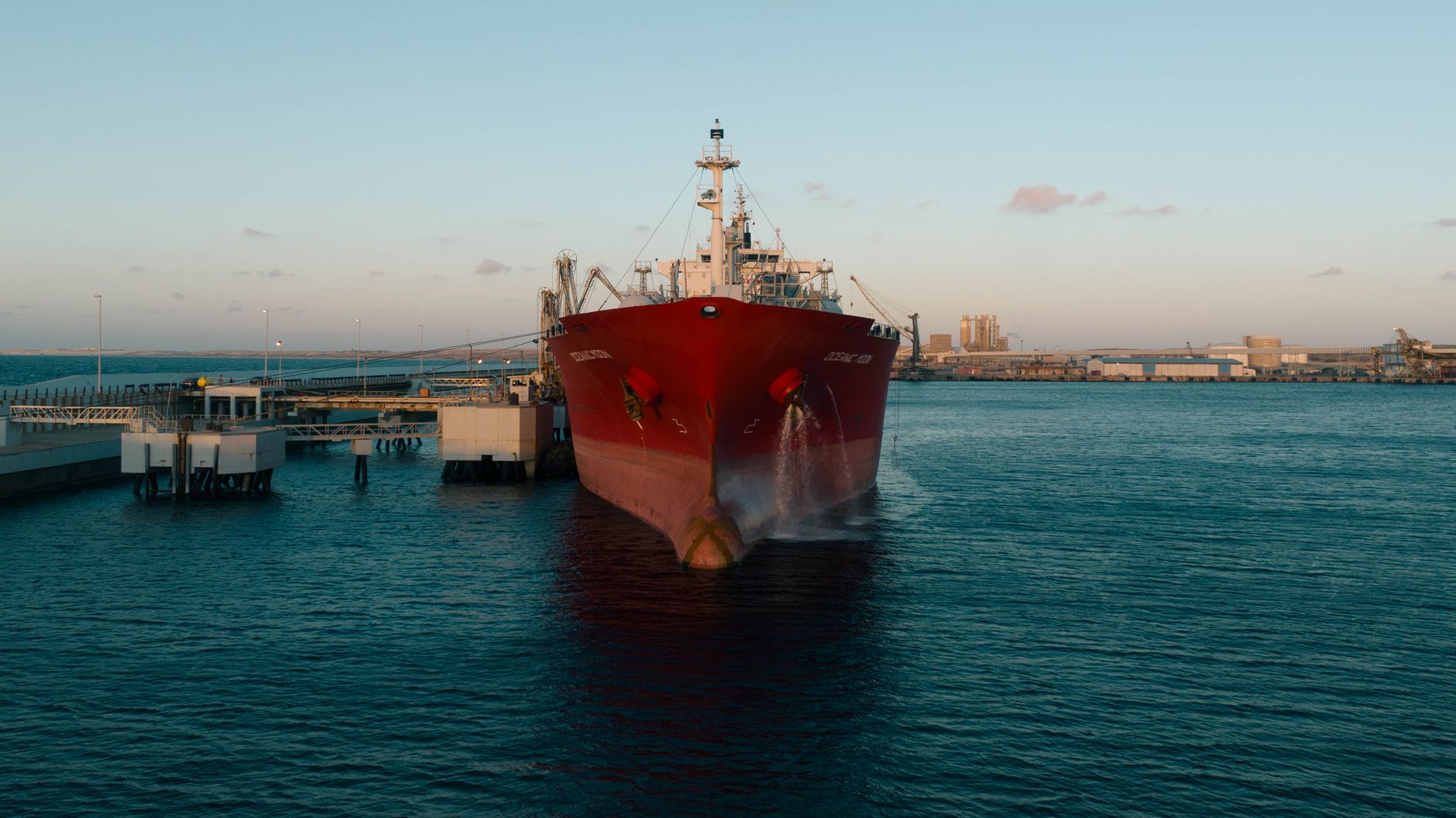
Two tankers carrying Saudi crude made U-turns after Houthi threats, signaling disruption to oil exports via the Red Sea.
Two oil tankers carrying Saudi crude bound for Asia reversed course in the Red Sea on Tuesday, the first tangible evidence of the Houthi naval blockade announced a day earlier. The vessels, which had just loaded cargo at the Saudi port of Yanbu, turned back and headed toward the Suez Canal instead of continuing through the Bab el-Mandeb strait into the Indian Ocean.
Houthi blockade takes immediate effect
The Houthi movement, which controls much of northern and western Yemen including the coast at the mouth of the Red Sea, declared a naval blockade on Saudi Arabia on Monday. The announcement appears to be having an immediate impact. The two tankers, destined for China and India, made U-turns on Tuesday, avoiding the Bab el-Mandeb, a choke point that the Houthis have threatened to close. British maritime risk management group Vanguard confirmed that these were the first confirmed changes to commercial tanker routing following the Houthi embargo. The group warned that this development is likely to increase disruption to Saudi crude exports and regional shipping patterns.

Strategic context: Red Sea as alternate route
With the war in the region effectively shutting the Strait of Hormuz, the Red Sea has emerged as the main alternate route for Saudi oil. Massive volumes of crude are diverted by pipeline to Yanbu, on the kingdom's western coast, and then shipped out via the Red Sea. The Houthi threat directly targets this critical lifeline. The rerouted tankers now face a longer journey around the Arabian Peninsula or through the Suez Canal, potentially delaying deliveries and raising costs.
Implications for global oil markets
The disruption comes at a time of heightened tension in the Middle East. Saudi Arabia is the world's largest oil exporter, and any sustained interruption to its shipments could roil global energy markets. While the two tankers represent a small fraction of daily flows, the trend could escalate if other carriers follow suit. The Houthis have vowed to enforce the blockade, and the Vanguard analysis suggests that more reroutings are likely.
Regional shipping patterns under pressure
Beyond oil, the Houthi blockade threatens broader maritime commerce through the Red Sea, a vital waterway for trade between Asia and Europe. Shipping companies may already be adjusting routes, adding time and expense to voyages. The Bab el-Mandeb strait is only about 20 miles wide at its narrowest point, making it vulnerable to disruption. The Houthi move escalates a conflict that has already caused immense humanitarian suffering in Yemen and now risks spreading economic shockwaves.
Looking ahead, the situation remains fluid. The Houthis have shown they can act on their threats, and the Saudi-led coalition may respond with naval countermeasures. For now, the blockade is the latest front in a complex regional crisis with no end in sight, forcing the world to watch the oil tankers change course.
