Michigan Senate Democratic primary too close to call as El-Sayed leads
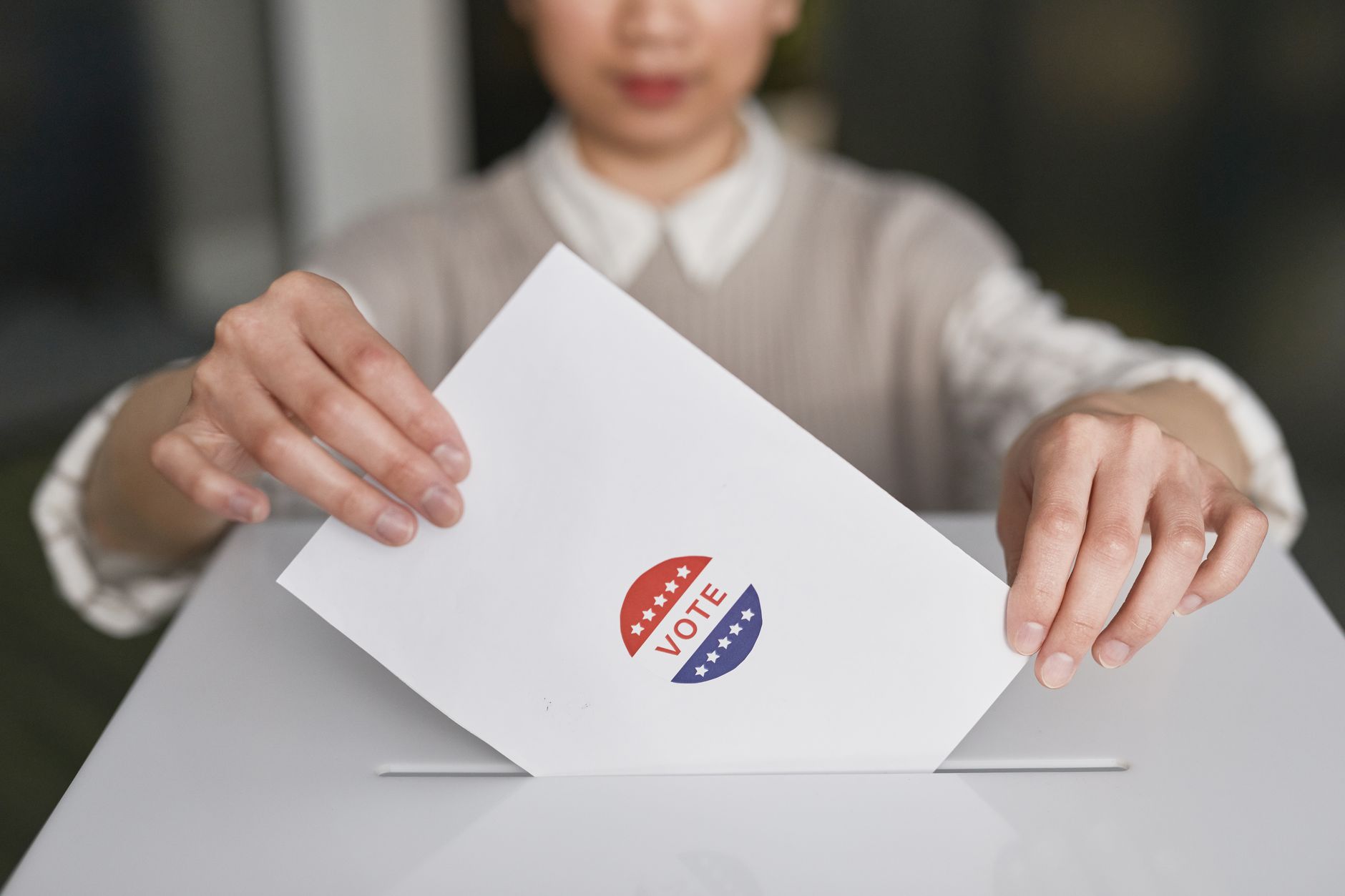
Progressive Abdul El-Sayed holds a razor-thin lead over Rep. Haley Stevens in Michigan's Democratic Senate primary, with vote counting ongoing. The outcome could signal the strength of the party's progressive wing ahead of November.
The Democratic Senate primary in Michigan remained too close to call early Wednesday, with progressive former public health official Abdul El-Sayed holding a narrow lead over U.S. Rep. Haley Stevens. With more than 95% of ballots counted, El-Sayed had 49.5% of the vote to Stevens' 45.78%, according to unofficial returns. Both candidates addressed supporters overnight, cautioning that the final tally could stretch well into the day. "We knew that this was going to be a close race, and that's exactly what we've got," Stevens said. "I am feeling fired up, and you should be too."
A proxy war for the party's future
The intensely fought and expensive campaign attracted national attention not only because the November outcome will help decide Senate control, but also because it became a high-profile test of strength between the Democratic Party's establishment and progressive wings. El-Sayed, backed by progressive groups, ran on a platform of Medicare for All and aggressive climate action. Stevens, a two-term congresswoman with strong union ties, had support from party leaders and business-aligned PACs. A victory for El-Sayed would be a significant win for the left, which has already notched surprising primary victories in House races in New York and Denver this cycle.
Progressive momentum elsewhere
In Michigan's seventh congressional district, community organizer William Lawrence, a co-founder of the Sunrise Movement, won a competitive three-way Democratic primary. He will now challenge incumbent Republican Tom Barrett, who flipped the battleground district red in 2024 and has at times bucked his own party. Meanwhile, in Missouri, Democratic Rep. Wesley Bell won his primary in the St. Louis area, defeating progressive former Rep. Cori Bush and blunting the momentum of pro-Palestinian candidates in recent elections.

Michigan's other big races
In the gubernatorial contest, Michigan Secretary of State Jocelyn Benson clinched the Democratic nomination, setting up a November matchup against Republican John James, a congressman endorsed by Donald Trump. Benson will seek to replace term-limited Democratic Gov. Gretchen Whitmer. The race is expected to be fiercely competitive in a key battleground state.
Washington and Kansas results
On the West Coast, two-term centrist Democrat Marie Gluesenkamp Perez advanced to the general election in Washington's competitive 3rd Congressional District, winning the top-two primary. She will face Trump-backed Republican state Sen. John Braun in November. In Kansas, state Sen. Cindy Holscher won the Democratic gubernatorial nomination, while Trump-backed state Senate President Ty Masterson clinched the GOP nod in a crowded field. Republicans are angling to take back the governor's mansion from Democratic control.

What happens next
With Michigan's returns still trickling in, both campaigns are bracing for a long count. State law allows for absentee ballots postmarked by Election Day to be received by Friday. The eventual winner will face Republican Mike Rogers, a former congressman who ran unopposed in the GOP primary, for the seat left open by retiring Sen. Gary Peters. That November race is expected to be one of the most closely watched in the country, with control of the Senate hanging in the balance.