Mexico's Exports Surge 25% to Record $389.7 Billion in H1 2026
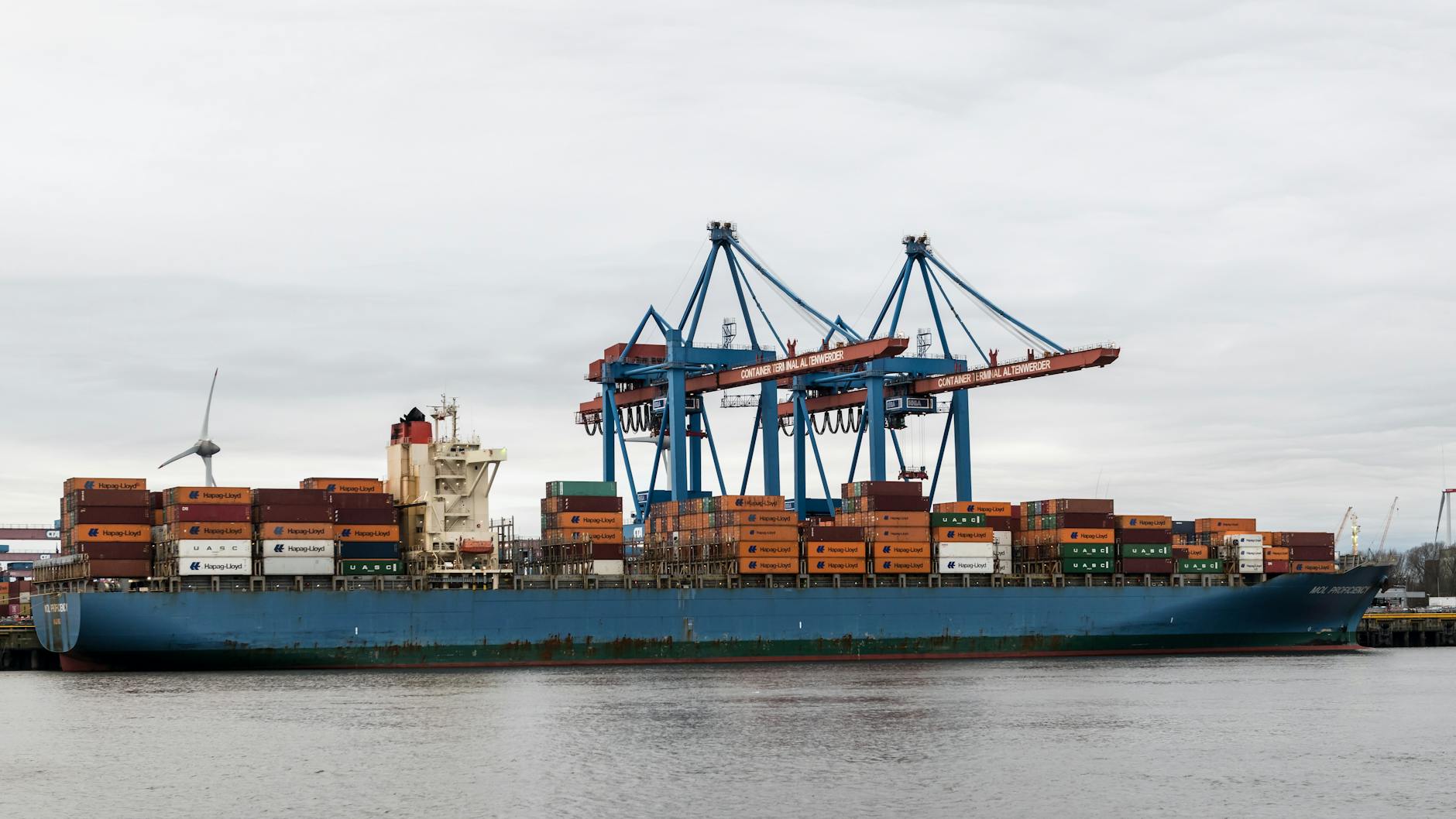
Mexico's export revenue jumped 24.6% annually in the first half of 2026, hitting a record $389.72 billion, driven by manufacturing and mining sectors.
Mexico's export revenue surged 24.6% annually in the first six months of 2026, reaching a record high of US $389.72 billion, according to data released Monday by the national statistics agency INEGI. The year-over-year gain, the highest since 2021, propelled the nation to a historic trade surplus of $9.85 billion, with exports far exceeding imports. The strong performance underscores Mexico's growing role as a global export powerhouse, with more than 80% of its goods destined for the United States.
Record Export Performance
INEGI's data reveals that Mexico's export revenue in the January–June period was buoyed by a 34.4% annual increase in June alone, generating a record $72.55 billion. The trade surplus—the difference between export earnings and import spending—also hit an all-time high of $9.85 billion. Total imports rose 22% to $379.86 billion, driven largely by intermediate goods, which accounted for nearly 80% of outlays. This robust trade activity solidifies Mexico's status as the top exporter to the United States, a position it has held since overtaking China in 2023.
Drivers of Growth
Manufactured goods remained the backbone of Mexico's export economy, contributing 91.3% of total export revenue. The value of manufacturing exports climbed 25.8% to $355.9 billion, led by a 37.6% surge in non-automotive manufactured goods—such as machinery, electronics, and medical devices—which reached $263.64 billion. Automotive exports, however, grew modestly at 1% to $92.25 billion, as shipments to the U.S., which face tariffs, dipped 2.7%. Exports to other markets rose 24%, partially offsetting the decline.
Rodolfo Ostolaza, deputy director of economic studies at Banamex, attributed part of the dynamism to technology-related investment in the United States, including data centers and AI infrastructure. However, he cautioned against overemphasizing this factor, noting that Mexico's non-automotive manufacturing category is highly diverse. Mario Correa, former president of the economic studies committee of the Mexican Institute of Financial Executives, pointed out that many Mexican manufacturing exports contain significant Asian content, meaning Mexico's role in the global supply chain often centers on assembly.
Sectoral Breakdown
Outside manufacturing, mining exports soared 78.6% annually to $11.2 billion, reflecting higher commodity prices and increased demand. In contrast, agricultural exports fell 4% to $11.74 billion, while oil export revenue declined 2.9% to $10.86 billion, likely due to weaker energy prices or lower volumes. The mixed performance highlights Mexico's diversification beyond traditional oil revenues into higher-value manufactured goods.
Outlook
With record export levels and a widening trade surplus, Mexico is poised to climb further in global export rankings. The near-25% growth rate, if sustained, could help the nation become the world's ninth-largest exporter, as noted by trade analyst Luis Rosendo Gutiérrez. However, risks remain, including potential U.S. trade policy shifts, global economic headwinds, and the dependence on Asian inputs for manufacturing. As investment in U.S. technology infrastructure continues, Mexico's export sector stands to benefit, but maintaining competitiveness will require deepening domestic supply chains.