Mexico breaks rank, keeps options open on FIFA World Cup privatization
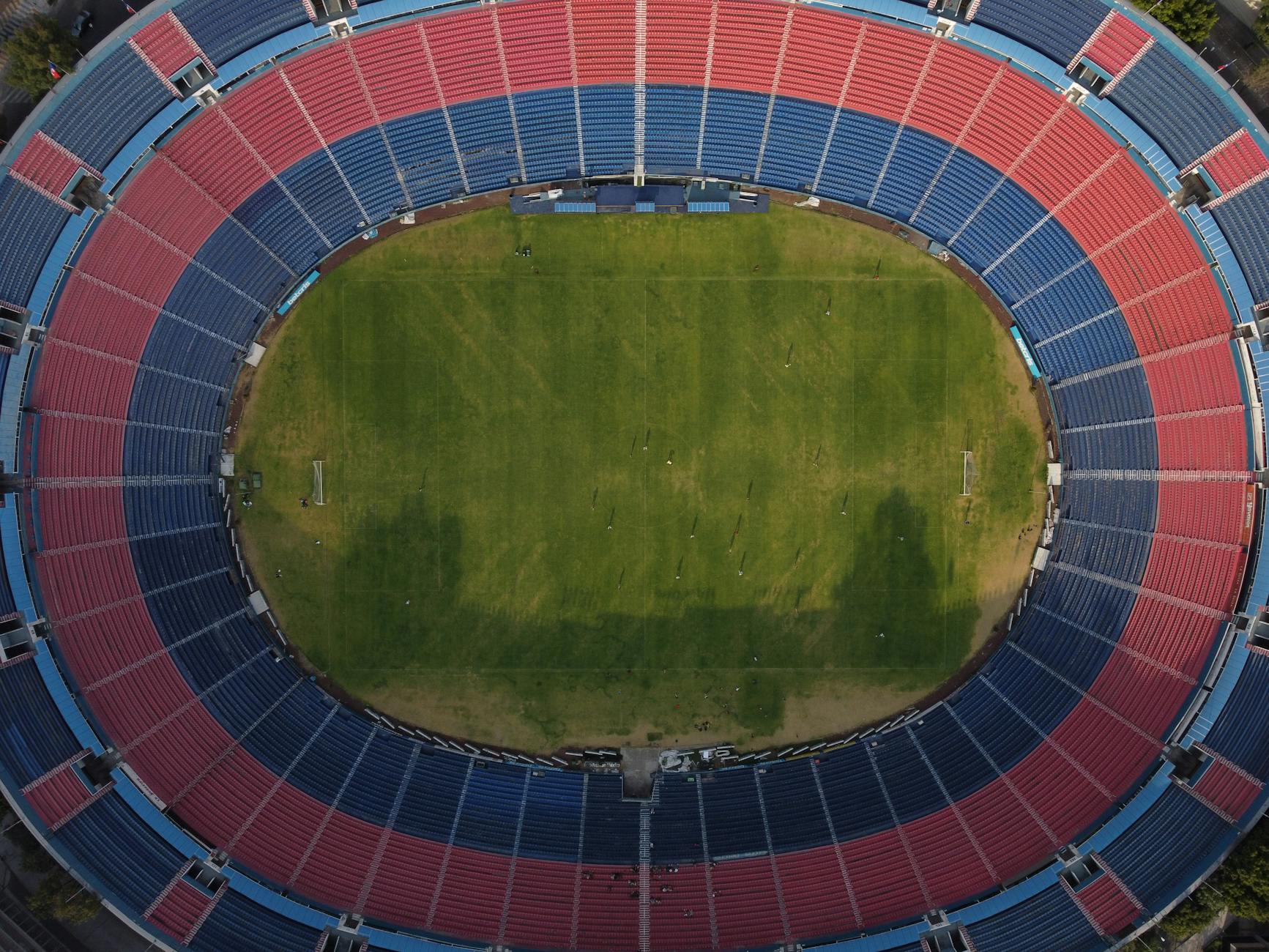
Mexico's soccer federation is the odd one out among regional peers, refusing to reject FIFA's plan to sell minority stakes in World Cup rights. The move puts it at odds with Concacaf and opens a rift with the US and Canada.
The Mexican Football Federation (FMF) has declined to join its North American neighbors in rejecting FIFA's controversial proposal to bring private investors into the commercial operations of the World Cup. In a statement on social media, the FMF said it is studying the plan to make the decision that best serves Mexican soccer, without endorsing the swift rejection issued by Concacaf, the regional governing body that includes Mexico, the United States, and Canada.
A regional split over FIFA's bold plan
Concacaf held an urgent meeting this week in which all 41 member associations voiced deep concerns about the proposal, citing a lack of due process and an artificially short deadline. The U.S. and Canadian federations supported the rejection, questioning the need for private equity after what they described as the most profitable World Cup in history. Concacaf pointed to FIFA's billions in reserves and lack of debt as reasons to explore other funding options.
The plan, pushed by FIFA President Gianni Infantino, would create a commercial subsidiary called FIFA Forward Enterprise (FFE). That entity would run events including the World Cup and Club World Cup and would sell minority, non-controlling stakes to outside investors, valuing the commercial arm at about $20 billion. FIFA says it could raise up to $4.2 billion through partnerships with J.P. Morgan and long-term investors including Thrive Capital, an investment firm founded by Joshua Kushner, brother of President Donald Trump's son-in-law Jared Kushner.
As an incentive for the 211 member federations, FIFA is offering a one-time payment of $20 million and a jump in regular development funding from $8 million to $20 million for the 2027-30 cycle, with further increases later. FIFA has defended the plan, saying no one is selling football and that FFE would remain fully owned and controlled by FIFA, with governance and the global match calendar unchanged.

Backlash from Europe and now internal dissent
The response from European football has been severe. The 55 member associations of UEFA voted unanimously to boycott the World Cup and all FIFA competitions if the project goes ahead. UEFA declared that football is not FIFA's to sell and warned that the soul and governance of the sport are not assets to trade, especially with zero transparency about who would gain financially.
Concacaf stopped short of threatening a boycott but instructed its FIFA Council members to push FIFA to use existing reserves and to run any future plan through proper procedures under FIFA statutes. The confederation also flagged the absence of review by FIFA's own governance bodies.
Internal opposition is also growing. On Friday, Carlos Cordeiro, a senior adviser to Infantino, resigned, saying he could not stand by while FIFA considers selling a stake in the World Cup and calling the $20 billion commercial subsidiary a bad deal for soccer. In a separate statement, FIFA Chief Operating Officer Kevin Lamour said staff had been deceived by Infantino's lack of openness and argued the plan is the project of one person and must not go ahead.
Mexico's delicate balance
The FMF's decision to remain uncommitted is notable given its role as co-host of the recently completed 2026 World Cup alongside the U.S. and Canada. The federation said it is undergoing a process of study and analysis to determine the best path for Mexican soccer. That neutrality could be seen as pragmatic, as Mexico may want to secure financial benefits from FIFA's proposal without breaking with its regional partners.
FIFA has promised to set up working groups so federations can review more details before a Sept. 19 deadline. That gives Mexico time to weigh the potential windfall against solidarity with Concacaf and UEFA.

What happens next
The coming weeks will be critical. FIFA faces a united European front and now visible discord from its own executives. Mexico's final decision, expected before the September deadline, could shape the balance of power within the global soccer community. If Mexico sides with FIFA, it may gain leverage in future negotiations, but it risks isolating itself from its North and Central American neighbors. If it joins the rejection, it strengthens the opposition camp and adds weight to demands for transparency and proper governance. For now, Mexican soccer is keeping its cards close, leaving the international football world to wonder which way the federation will lean.
This story is developing and will be updated as the FMF releases its formal position.