El Mayo sentenced to life in US prison over Sinaloa cartel crimes

Mexican drug lord Ismael 'El Mayo' Zambada García received a life sentence Monday for leading the Sinaloa cartel. The 76-year-old pleaded guilty to trafficking cocaine and fentanyl, ending his decades-long evasion of US justice.
Mexican drug kingpin Ismael “El Mayo” Zambada García was sentenced to life in prison Monday in a federal courtroom in Brooklyn, New York, capping a criminal career that spanned half a century and made him one of the most wanted fugitives in the world. The 76-year-old co-founder of the Sinaloa cartel admitted in a plea deal last August to charges of racketeering conspiracy and operating a continuing criminal enterprise, avoiding the death penalty in exchange for his cooperation. US District Judge Brian Cogan, who also presided over Joaquín “El Chapo” Guzmán’s trial, ordered Zambada to forfeit $15 billion in drug profits as part of the sentence.
A life of secrecy and power
Unlike his flamboyant partner El Chapo, Zambada avoided public attention, preferring to pull strings from the shadows. While Guzmán’s multiple prison breaks and Hollywood-style captures made headlines, El Mayo quietly managed the cartel’s logistics, overseeing the shipment of tons of cocaine, marijuana, heroin, and later fentanyl into the United States and beyond. Prosecutors described him as a stabilizing force who enforced discipline through corruption, bribing Mexican politicians, military officials, and law enforcement to protect the cartel’s operations. His low profile allowed him to evade capture for decades, even as US intelligence agencies offered multimillion-dollar rewards for his arrest.
The mysterious arrest that shocked Mexico
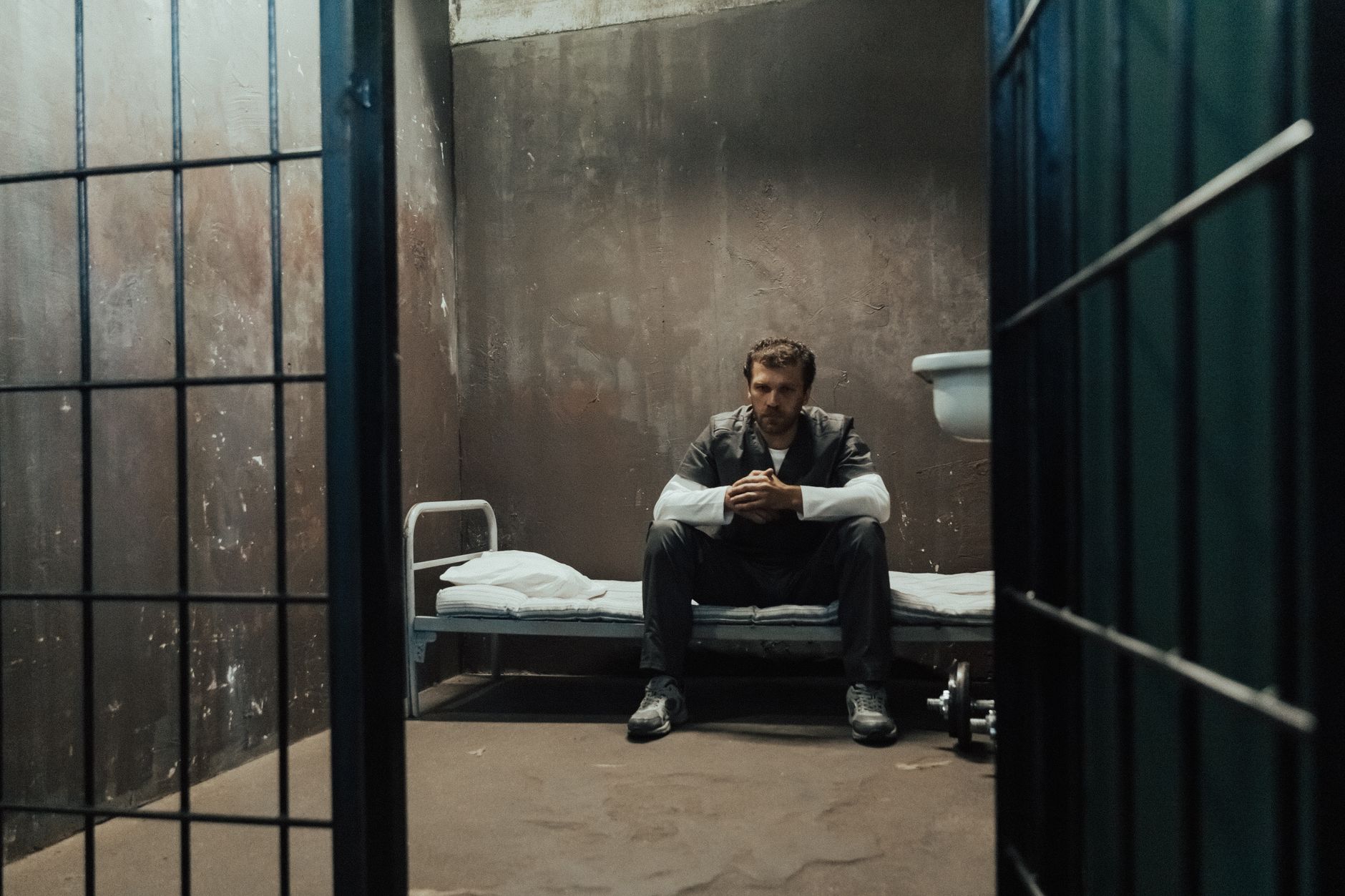
Zambada’s capture in July 2024 came through an unlikely twist: he was allegedly kidnapped by one of El Chapo’s sons, Joaquín Guzmán López, and flown against his will to a small airport in New Mexico, where US federal agents were waiting. The circumstances remain murky, with questions about whether US officials facilitated the cross-border abduction. Guzmán López later pleaded guilty to kidnapping and became a cooperating witness for the Justice Department. Zambada, who limped into court wearing a beige prison uniform and sporting white hair and a beard, has been held in a Brooklyn federal facility for nearly two years.
Violence and cooperation
Before his sentencing, Zambada read a letter to the court accepting responsibility for his crimes and appealing for an end to the violence that has plagued Mexico for decades. “I did not go to trial because I did not want to deny the truth,” he said, urging younger drug traffickers to “choose a different path.” His arrest triggered a bloody power struggle within the Sinaloa cartel, pitting his son against the sons of El Chapo in a territorial war that has ravaged parts of northern Mexico. The sentencing comes as the Trump administration ramps up pressure on Mexico, having designated the Sinaloa cartel as a terrorist group and threatening unilateral military action against drug organizations.
What comes next
Zambada’s life sentence closes a chapter on one of the most elusive figures in the history of drug trafficking, but it does not signal an end to the cartel’s influence. The internal fragmentation has already led to increased violence, and US-Mexico tensions continue to simmer. With El Mayo behind bars, the focus shifts to the next generation of cartel leaders and whether the US government will pursue further extraditions or collaborate with Mexican authorities to stem the flow of fentanyl and other drugs across the border. The ripple effects of this sentencing are likely to be felt for years.