Mass funeral in Gaza for 112 Palestinians killed in Israeli strike
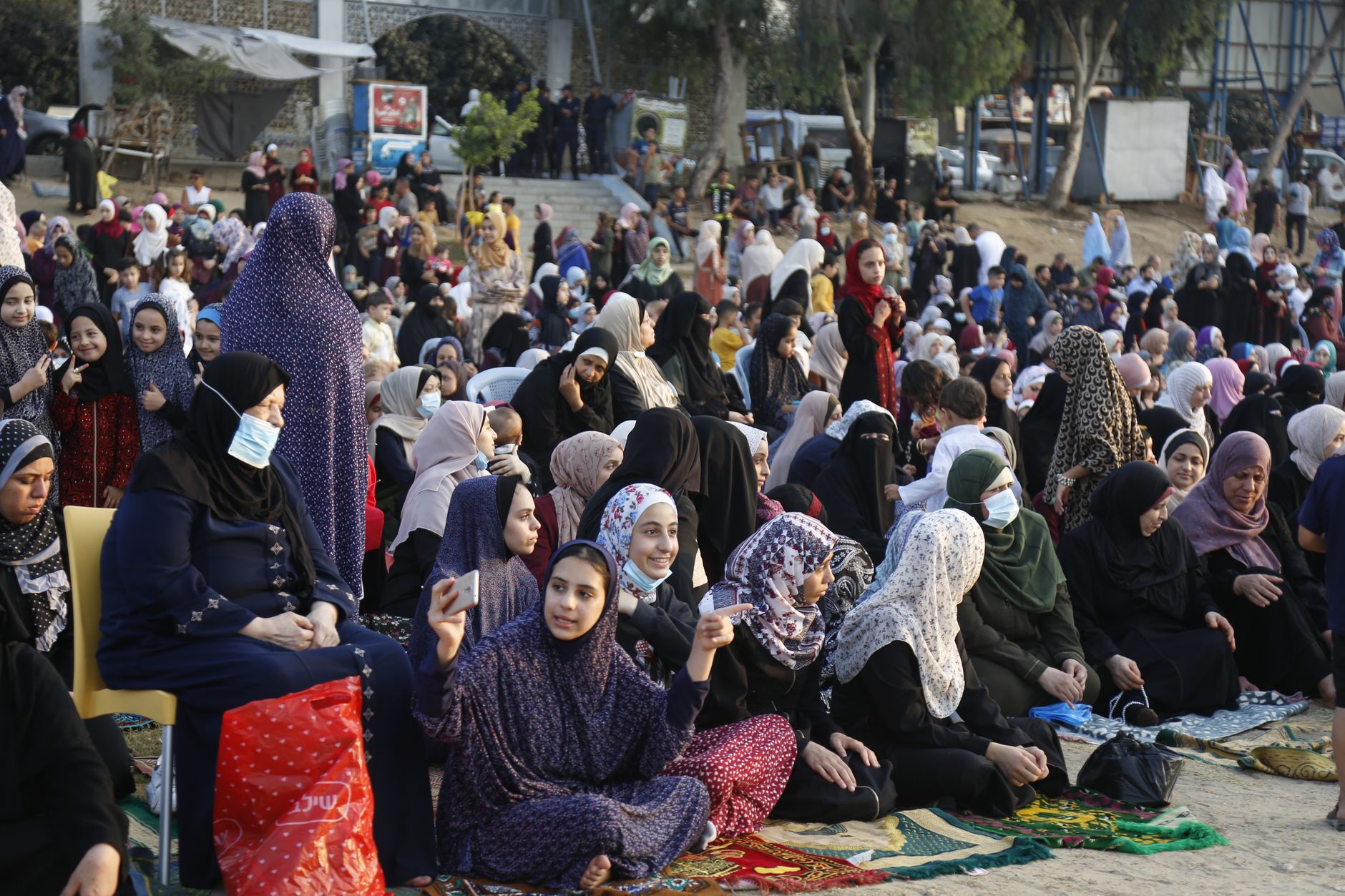
Hundreds gathered in Gaza to bury 112 Palestinians, mostly women and children, killed in a 2023 Israeli strike. It was the largest funeral since the war began.
Hundreds of mourners packed a burial ground in Gaza City to bury 112 Palestinians—most of them women and children—whose remains were finally recovered from a residential block destroyed by an Israeli airstrike in late 2023. The victims belonged to the Abu Sharia and Hassayna families, and their funeral has been described as the largest of its kind in Gaza since the war began.
One Strike, Two Families Destroyed
The attack on the Sabra neighborhood took place on 22 November 2023, during a period of intense bombardment that followed Hamas's deadly assault on southern Israel. Civil Defence spokesman Mohammed Basel estimated that the multi-storey building had housed more than 180 civilians at the time, and around 90 percent of them were killed. The dead included 40 children, 38 women and seven people with disabilities.
Basel's crews were unable to reach the site immediately after the strike. He said that coordination with Israeli forces through third parties was required, and the danger in the area was too great. As a result, the remains of many victims lay under the rubble for months, while relatives tried to recover what they could with limited resources.
A Painstaking Recovery Operation
Only recently did a two-week operation succeed in retrieving all 112 bodies. The work was led by Gaza's Civil Defence, with support from the International Committee of the Red Cross (ICRC). The ICRC provided essential equipment such as gloves, shovels, protective gear and body bags, and helped rent two excavators for hundreds of hours to sift through the debris.
ICRC spokesperson Patrick Griffiths explained that while the confirmation of a loved one's death is painful, it offers families a chance to mourn and find closure. He stressed that the organisation's training also aims to ensure bodies are handled with dignity, even in the most difficult circumstances.
A Funeral, and a Flood of Grief
The mass funeral brought the Abu Sharia and Hassayna families together in sorrow. Rows of flag-draped bodies lined the ground, with photographs of the deceased carried by relatives who wept as they saw the remains of their loved ones for the first time. Ali Abu Sharia, a mourner, told reporters that while the pain of loss remains overwhelming, being able to retrieve and bury the dead brought some measure of relief.
Nahed al-Hassayna wandered through the ruins of his family home, holding up a child's school backpack and a small shoe. "The kids—what did they do?" he asked, echoing the anguish of many. Yousef Abu Sharia, who said he was the sole survivor of his immediate family, stood nearby, struggling to describe the scale of his loss.
A Conflict Without End
The strike that killed these families occurred just six weeks after Hamas-led militants crossed into Israel, killing about 1,200 people and taking 251 hostages. Israel's subsequent military campaign in Gaza has killed at least 73,377 people, according to the Hamas-run health ministry, whose figures are considered reliable by the United Nations.
The Israeli military has not yet explained what was targeted in the Sabra attack. Without an official response, many relatives are left with unanswered questions about why their loved ones died. For now, the mass funeral serves as a somber reminder of the war's continued human toll, as recovery teams still uncover more victims from the wreckage across Gaza.
As the graves were filled, survivors expressed hope that proper burials might help them begin to heal, even as the conflict rages on. The full story of that November day may only come to light once the fighting stops—and when it does, the families of Sabra will still be counting their dead.