Lebanon education minister: Israel destroys three more schools
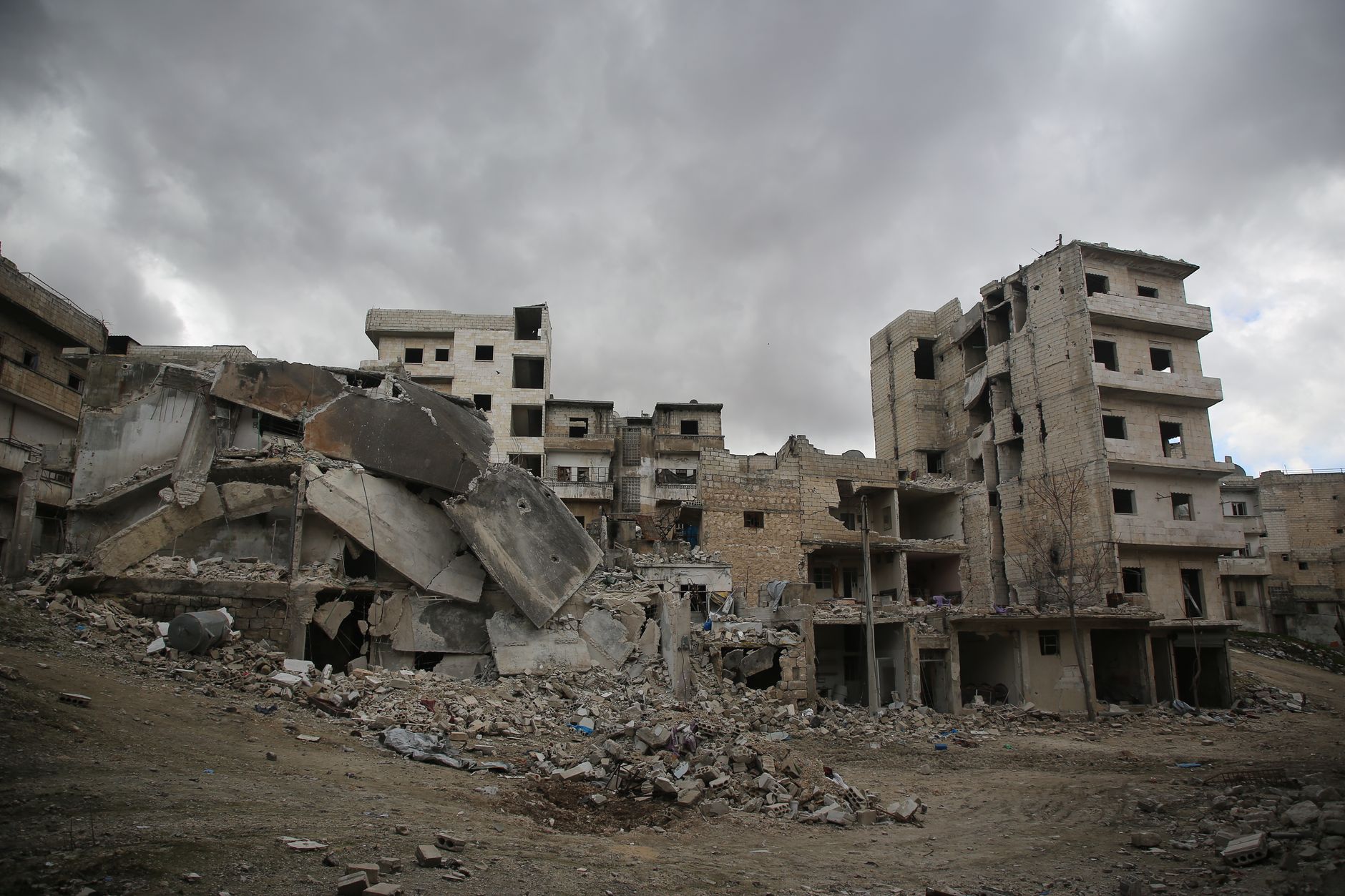
Rima Karami announced that three schools in southern Lebanon were looted and destroyed by Israeli forces, bringing the total destroyed to 20. Hundreds of thousands of children remain out of school due to the conflict.
Lebanon’s education minister, Rima Karami, announced on Friday that Israeli forces have looted and destroyed three additional schools in southern Lebanon, raising the total number of schools destroyed in Israeli strikes to 20. The statement was carried by Lebanon’s state-run National News Agency (NNA), underscoring the mounting toll on the country’s education system amid the ongoing military campaign.
Escalating toll on education
The three schools, located in southern Lebanon, were the latest targets in a series of attacks that have systematically devastated educational infrastructure. Karami’s statement highlighted the deliberate nature of the destruction, accusing Israeli forces of looting before demolishing the buildings. As of Friday, the total number of schools destroyed since the start of Israel’s military campaign has reached 20, a figure that continues to grow as the conflict persists.

UNESCO’s assessment and international concern
The United Nations Educational, Scientific and Cultural Organization (UNESCO) reported last month that at least 17 schools had been destroyed and more than 100 damaged across Lebanon since Israel launched its offensive. The discrepancy with the minister’s updated count reflects the rapid pace of destruction. UNESCO has repeatedly called for the protection of educational facilities under international humanitarian law, noting that attacks on schools can constitute war crimes. The agency has also warned that the damage to Lebanon’s education system will have long-term consequences for generations of children.
Children left without schooling
The impact on Lebanon’s children has been severe. According to UNESCO, approximately 500,000 Lebanese children are now out of school because of the conflict. Many schools have been repurposed as shelters for displaced families, while others remain inaccessible due to ongoing hostilities. The disruption threatens to set back educational attainment in a country already struggling with economic crisis and a fragile public school system. Education experts fear that prolonged absence from learning could lead to increased dropout rates and long-term psychosocial trauma among the student population.
What comes next
The continued destruction of schools raises urgent questions about the future of education in Lebanon. The government, with support from international organizations like UNESCO, will face the monumental task of rebuilding and reopening schools once hostilities cease. However, without a ceasefire, the number of damaged and destroyed schools is likely to rise further. Karami’s statement serves as a stark reminder of the civilian cost of the conflict, particularly for the country’s youngest and most vulnerable citizens. The international community faces mounting pressure to intervene and enforce protections for educational institutions, as the window to prevent further loss narrows.