Japan quake kills 13, collapses newly reopened Aeon Mall
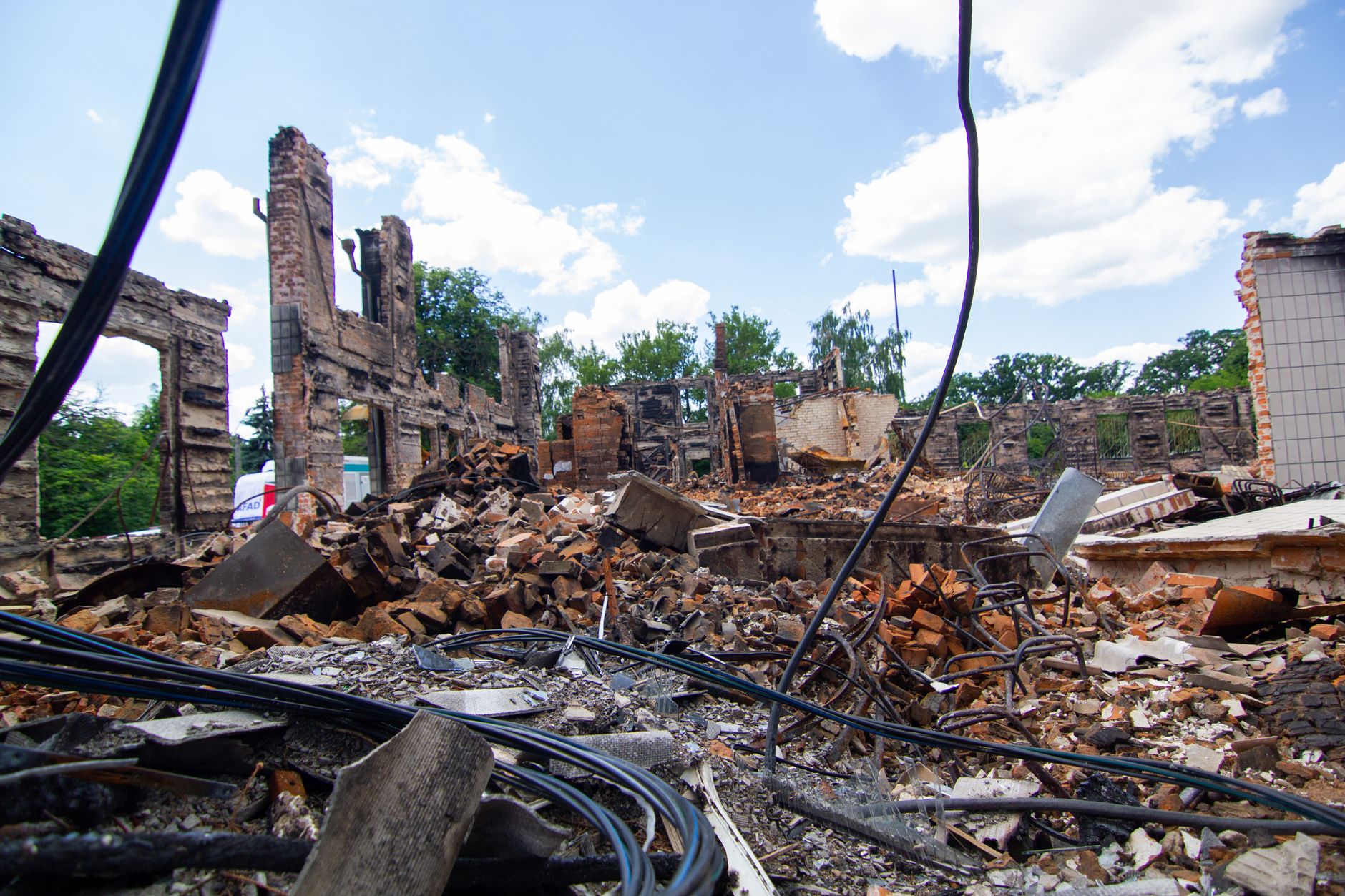
A magnitude 7.1 earthquake struck southwestern Japan, collapsing the newly reopened Aeon Mall and killing 13 people. Rescue operations are ongoing for the missing.
A devastating magnitude 7.1 earthquake struck the Kumamoto area of southwestern Japan on Tuesday afternoon, killing at least 13 people and collapsing a major shopping mall that had just reopened after a previous tremor. Japanese Prime Minister Sanae Takaichi confirmed the death toll early Wednesday, warning that the number could rise as rescue teams race to find survivors among the debris.
Quake Rocks Kyushu Region
The powerful quake hit the southern main island of Kyushu late Tuesday, shaking the city of Kumamoto and surrounding towns. The Japan Meteorological Agency issued a tsunami advisory for coastal areas, though no major waves were reported. The tremor was the strongest to hit the region since the deadly 2016 Kumamoto earthquakes, which killed dozens and caused widespread destruction.
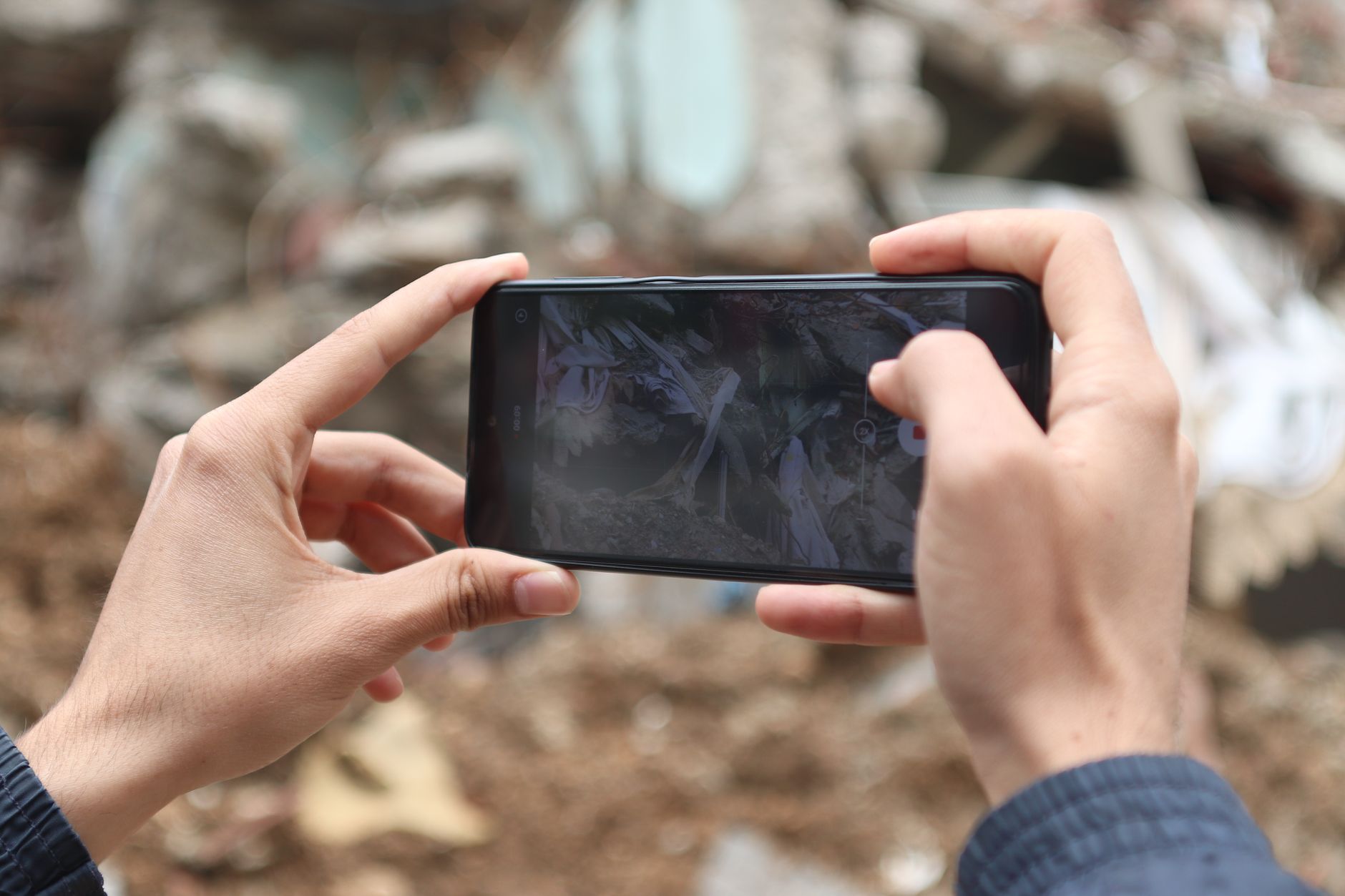
Aeon Mall Collapse Traps Dozens
The most tragic incident occurred at the Aeon Mall in Kashima Town, where the second floor collapsed, trapping an unknown number of people. The mall had only reopened on June 13 after extensive repairs from damage sustained in the 2016 quake. The fire department in Kumamoto prefecture confirmed that rescue personnel are working tirelessly to extract survivors from the rubble. Prefectural officials also reported investigating an explosion believed to have been caused by a gas leak at the site, adding to the chaos.
Government Response and Rescue Efforts
Prime Minister Takaichi addressed the nation early Wednesday, expressing condolences to the victims and sympathies to their families. “There are people who are still waiting to be rescued, and it’s a race against time,” she said. “We will go all out to find and rescue as many people as we can.” She urged affected residents to take precautions against the hot summer weather as they cope with power outages and disrupted services. The government has deployed disaster response teams, including the Self-Defense Forces, to assist local authorities in search and rescue operations.
Historical Context
The Kumamoto region has a history of seismic activity. The 2016 quakes, a magnitude 7.0 and its aftershocks, killed over 50 people and caused billions of dollars in damage. The Aeon Mall’s reopening was seen as a symbol of recovery, making its collapse all the more heartbreaking for the community. Experts are now questioning the structural integrity of buildings rebuilt after the earlier disaster, though a full investigation is pending.

Looking Ahead
As rescue efforts continue, the focus remains on finding survivors and providing aid to those affected. The full extent of the damage is still being assessed, and authorities warn that aftershocks could trigger further landslides or building failures. The government is expected to announce additional support measures for the region, while the nation mourns another tragic reminder of Japan’s vulnerability to natural disasters.