Japan Kumamoto Earthquake: Mall Blast, Casualties After 6.8 Quake
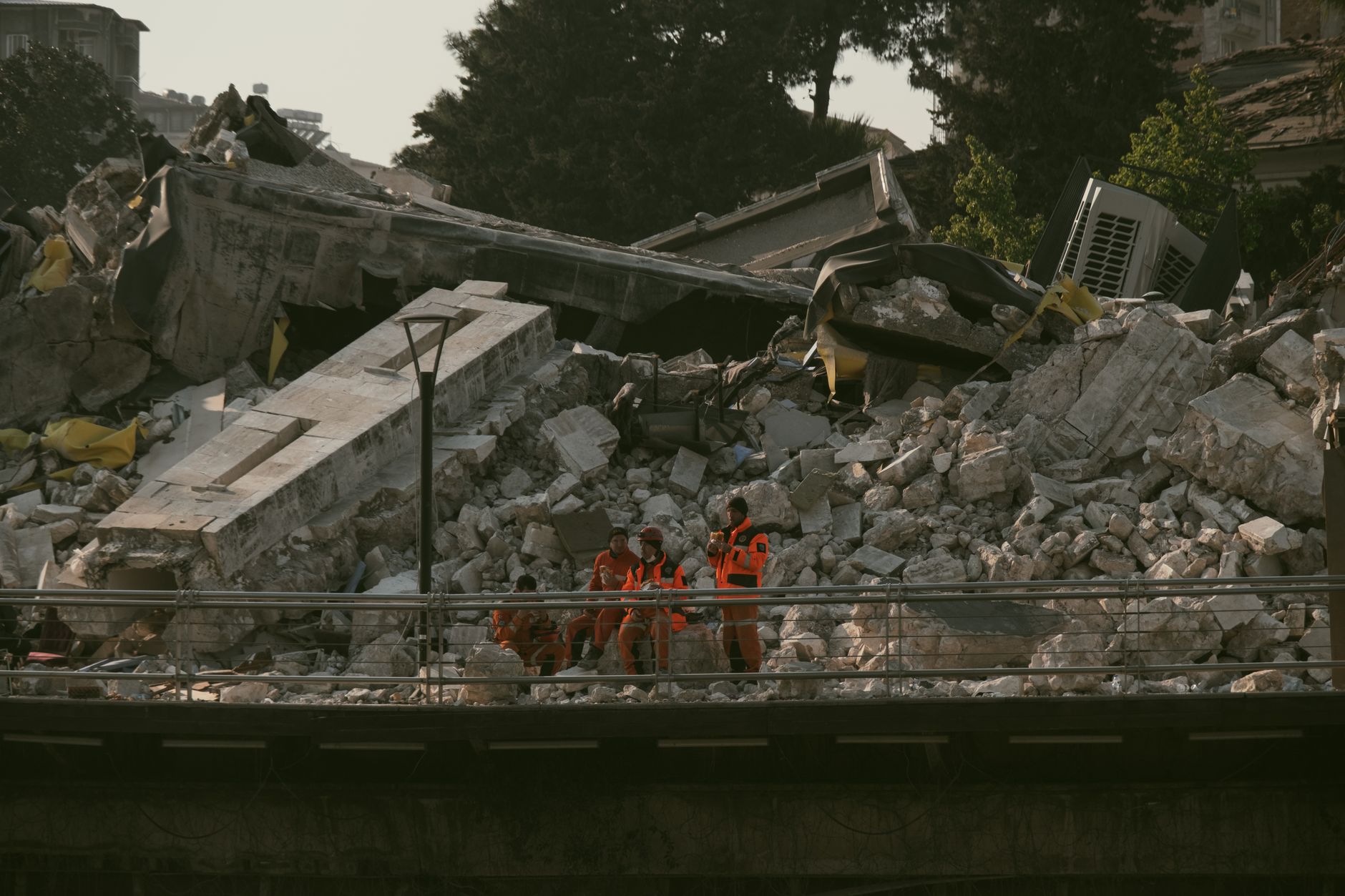
A powerful 6.8 magnitude earthquake struck Japan's Kumamoto prefecture, causing a shopping mall explosion, at least one death, and dozens missing amid widespread damage and aftershocks.
A magnitude 6.8 earthquake struck Japan's Kumamoto prefecture on Tuesday afternoon, leaving at least one person dead, dozens missing, and triggering a massive explosion at a shopping mall that had just reopened after a previous disaster. The quake, initially reported as magnitude 7.1 before being revised by the U.S. Geological Survey, hit at 4:30 p.m. local time on Kyushu island, prompting a brief tsunami advisory that was later lifted.
Damage and Widespread Destruction
The earthquake caused extensive structural damage across the region. In Kumamoto City, the prefectural capital with an estimated population of 700,000, buildings collapsed and fires broke out. Key infrastructure sustained heavy damage: parts of the Kyushu Expressway split apart, and a section of the historic Kumamoto Castle's wall crumbled. Power was cut to thousands of homes. The Japan Meteorological Agency reported more than 60 aftershocks, including a magnitude 4.1 tremor just after midnight, complicating rescue efforts. Authorities instructed about 300,000 residents to evacuate to shelters as the region braced for stronger aftershocks.
Mall Explosion and Rescue Operation
The most dramatic incident occurred at the Aeon shopping mall in Kumamoto City. When the quake struck, employees helped evacuate roughly 200 shoppers as part of the second floor collapsed. About an hour later, a powerful explosion tore through the complex, blowing out walls and exposing steel framework. Witnesses reported smelling gas, though the cause remained unclear. Public broadcaster NHK reported that 20 to 30 employees were initially unaccounted for after the blast. The mall had only reopened last month after being rebuilt following a devastating earthquake in 2016. That earlier disaster had made the mall a symbol of recovery when a supermarket offered discounted rice balls to survivors.
Emergency crews continued searching for missing workers amid the rubble. Hospitals reported receiving dozens of wounded: one facility treated more than 50 people, while another reported about 40 patients, 10 in serious condition. Police confirmed one death of a person found in a collapsed house. The combination of aftershocks and damaged infrastructure hampered rescue operations.
Seismic Context and Safety Measures
Japan lies on the Pacific Ring of Fire, where several tectonic plates converge, producing thousands of earthquakes annually. The country's strict building codes and regular drills have historically mitigated casualties, but powerful quakes still pose significant risks. The Sendai Nuclear Power Plant in neighboring Kagoshima prefecture reported no abnormalities after the earthquake, according to officials. The tremor was reportedly strong enough to be felt in South Korea, across the sea.
The 2016 Kumamoto earthquakes, which included a magnitude 7.0 mainshock, killed over 200 people and caused extensive damage. Tuesday's quake revived memories of that disaster, particularly for the mall that had become a recovery landmark. The region now faces a prolonged period of aftershocks and recovery.
Looking Ahead
Rescue teams continue to comb through debris, with the priority on locating the missing mall workers. Authorities have warned residents to stay vigilant for day-two tremors as they wake up Wednesday morning. The full extent of the damage is still being assessed, and the number of casualties may rise. Japan's experience with earthquakes ensures a well-coordinated response, but the scale of destruction from this latest temblor underscores the enduring threat posed by living in one of the most seismically active zones on Earth.