Israel urged US to strike Iran's regime or not at all
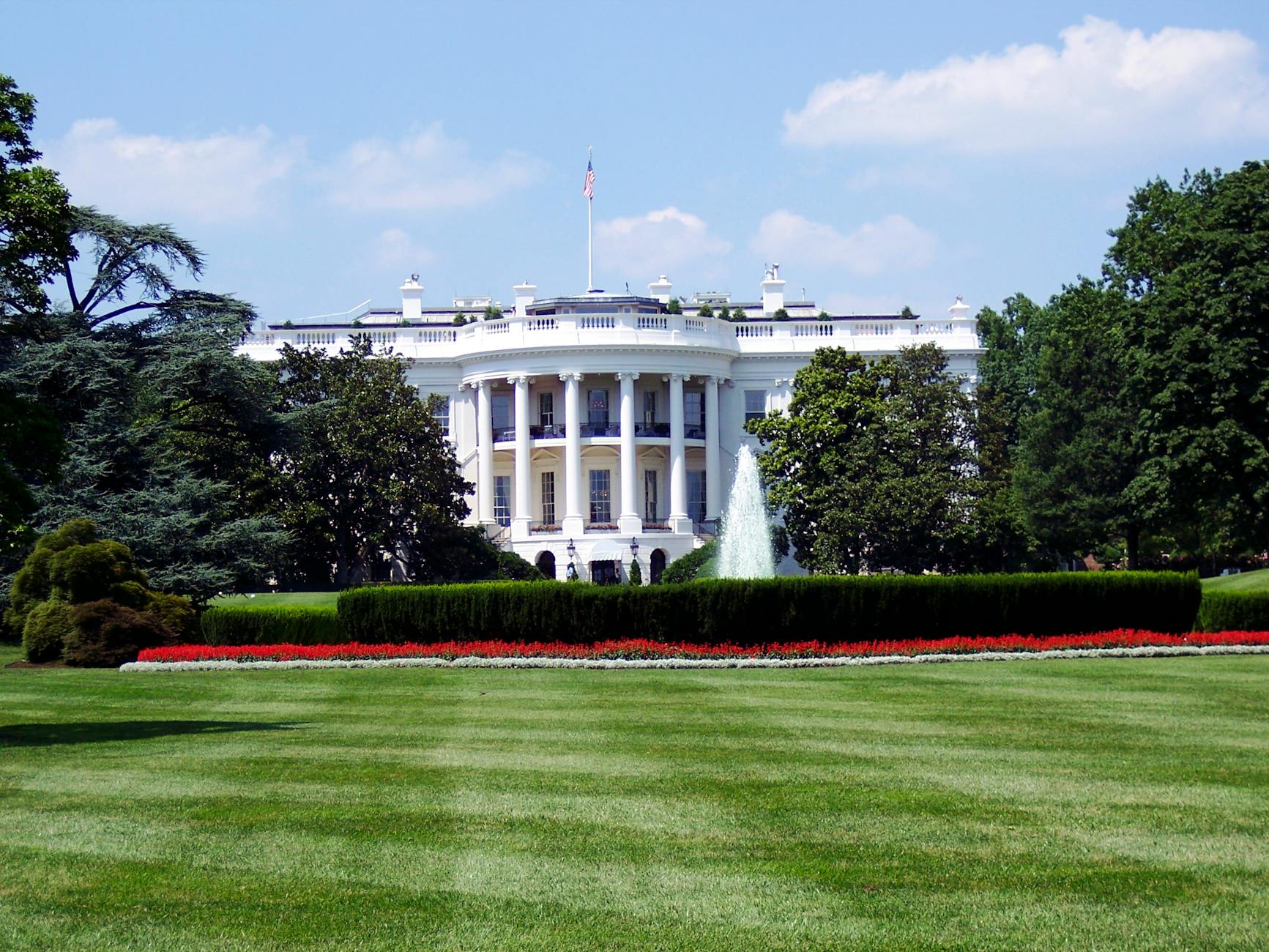
Israel was poised to join a major US attack on Iran until President Trump pulled the plug, a new report reveals. Israeli officials argued that a strike must hit Iran's regime and economy or be pointless.
Israel was on the verge of joining a major US military operation against Iran, but President Donald Trump abruptly called it off, according to a confidential report obtained by this publication. The report cites a senior official saying Israeli leadership informed Washington that any attack excluding Iran's regime and economic infrastructure would be pointless.
Background: A high-stakes meeting
The disclosure comes after Prime Minister Benjamin Netanyahu met with President Trump at the White House on July 28, 2026. The meeting, which was widely billed as a critical juncture in US–Israel coordination on Iran, included extensive discussions over military options. According to the report, Israel had been preparing to participate in what was described as a major US-led strike, a move that would have marked a significant escalation in the long-running standoff over Iran's nuclear program.
US and Israeli officials had reportedly been sharing intelligence and joint planning for weeks. The report suggests that the attack was intended to degrade Iran's nuclear capabilities, but Israel also pushed for a broader scope.
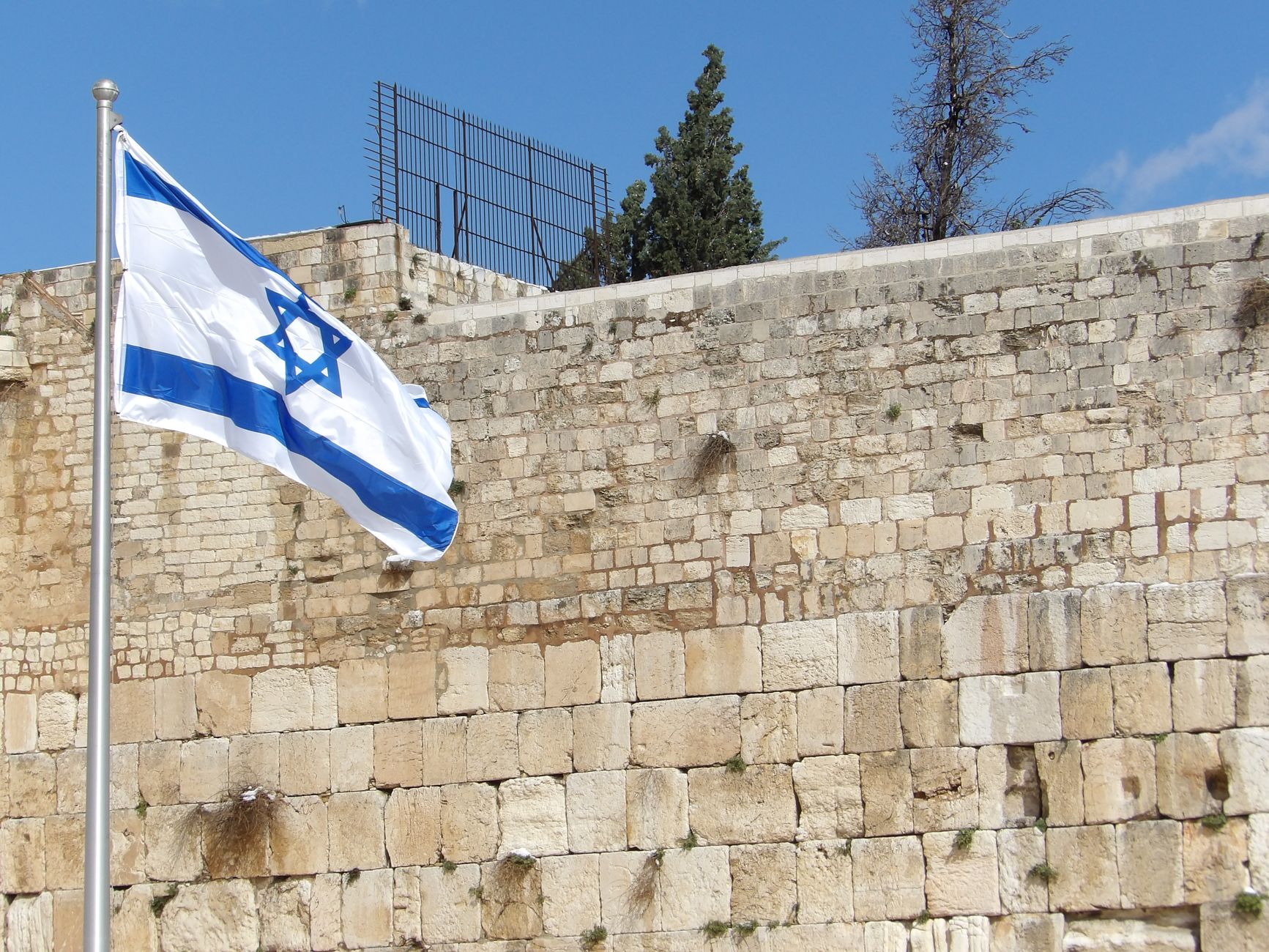
Israel's stance: Hit the regime and economy
According to one official quoted in the report, Israel told the United States that if the attack did not strike Iranian regime targets and sites tied to Iran's economy, there was no point in striking at all. This position reflects a long-held Israeli view that Tehran's leadership is the primary driver of instability and nuclear ambitions. Israeli security circles have often argued that precise military strikes against nuclear facilities alone would not resolve the threat, as the regime could quickly rebuild or use its economic muscle to continue its work.
The report indicates that Israeli officials made these demands during high-level, classified discussions, urging the US to target assets such as the offices of senior clerics, elite military units, and key financial centers that fund the nuclear project. For Israel, only a truly comprehensive strike would justify the enormous diplomatic and security costs involved.
Trump's last-minute decision
Despite the extensive preparations and the alignment on many points, Trump decided to call the operation off at the last minute. The report does not give a clear reason for the reversal, though it alludes to concerns about potential civilian casualties, the risk of a wider war, or diplomatic fallout with European allies. Whatever the cause, the decision left Israeli officials surprised and disappointed, particularly after they had committed resources and political capital to the joint operation.
The incident underscores the unpredictable nature of Trump's foreign-policy decision-making. Previous reports have noted that the former president often shifts positions based on last-minute counsel from a small circle of advisors. In this case, the abrupt cancellation demonstrated that even a close ally may not be able to rely on US commitments until the final hour.

Implications for the US–Israel alliance
The episode is likely to deepen Israeli concerns about the reliability of the American security umbrella. Israel has long seen the US as its indispensable partner, but this experience highlights the volatility of that alliance. It may also embolden Iran, which could interpret the aborted attack as a sign that Washington lacks the will to follow through on its threats.
Looking ahead, Israeli leaders may pursue more independent courses of action, including the development of operational plans that do not depend on US backing. The report suggests that Israel is prepared to act alone if necessary, but the trust between Jerusalem and Washington has certainly been strained. As new diplomatic efforts around Iran's nuclear program emerge, the aftermath of this decision will likely shape both nations' strategies.