Iran official: Policy of negotiating during war is over, warns of full-scale war
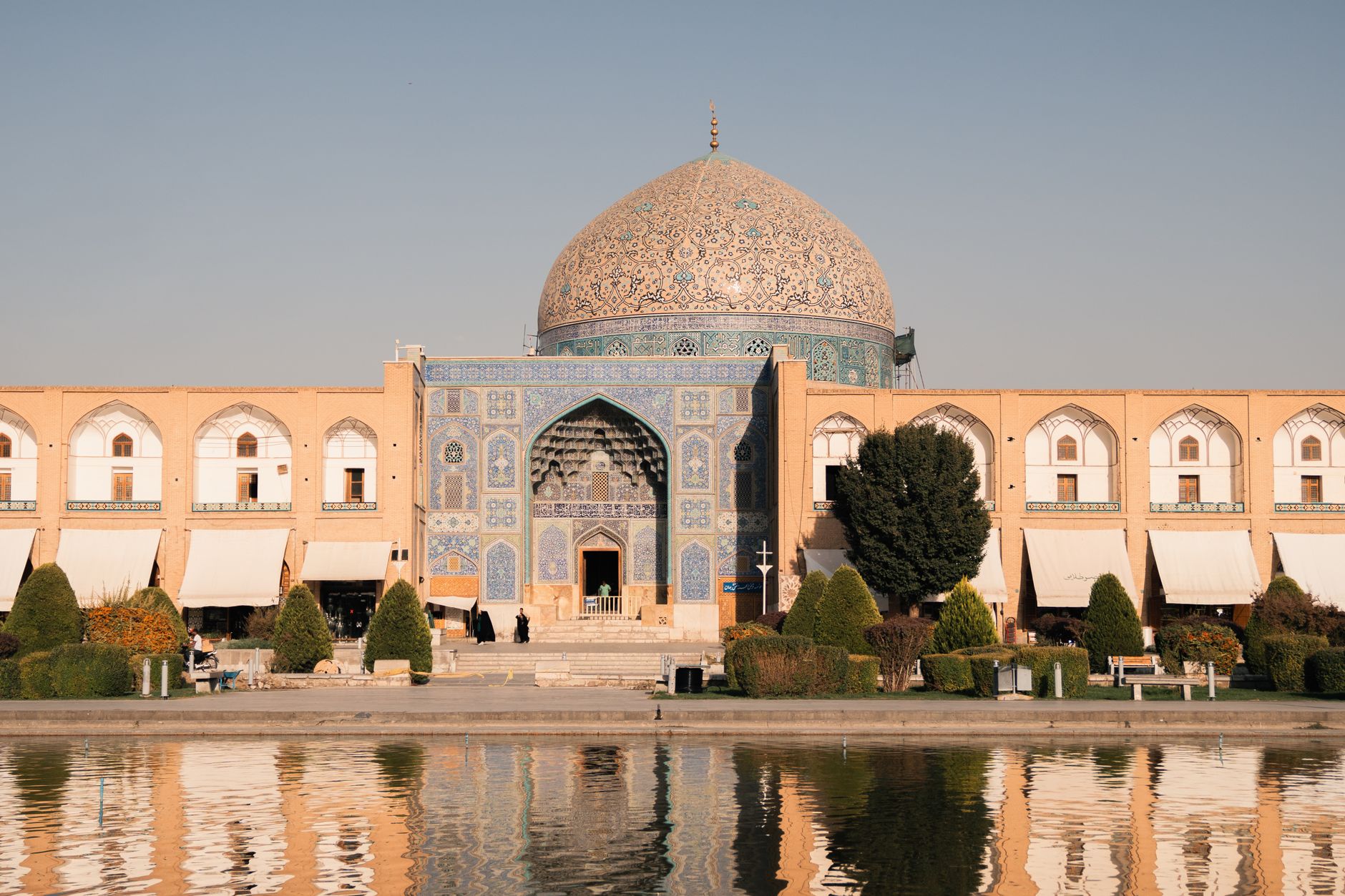
A senior Iranian military advisor declares the end of negotiation policy during war, warning that limited retaliation will soon escalate to full-scale conflict if US bombing continues.
A senior Iranian military advisor, Mohsen Rezaee, has declared that the policy of negotiating during wartime is effectively over, signaling a potentially dangerous escalation in the ongoing confrontation between Tehran and Washington. Rezaee warned that if the United States continues its bombing campaign against Iran, the Islamic Republic will abandon its current strategy of limited retaliation and move toward full-scale war.
Context of Rising Tensions
The statement comes amid heightened hostilities between the two nations, with the US conducting airstrikes on Iranian targets in recent weeks. For now, Iran has responded with measured strikes, avoiding a direct, all-out military confrontation. However, Rezaee’s comments suggest that patience is wearing thin within Iran’s military leadership.

Rezaee's Warning
Rezaee, a former commander of the Islamic Revolutionary Guard Corps (IRGC) and current secretary of the Expediency Discernment Council, stated that the era of negotiating while under fire has come to an end. He emphasized that Tehran has so far exercised restraint, but that this approach will not continue indefinitely. According to Rezaee, any further US bombardment will compel Iran to escalate its military response dramatically, potentially igniting a full-scale war that neither side may easily control.
Implications for US-Iran Relations
The declaration represents a significant shift in Iran’s strategic posture. Historically, Iran has employed a mix of diplomacy and asymmetrical warfare, often conducting retaliatory strikes through proxies while leaving the door open for negotiations. By explicitly ruling out talks during active hostilities, Rezaee is signaling that the current conflict has moved beyond the threshold where diplomatic channels can operate. This could complicate efforts by third parties to de-escalate the situation.
The US administration has not yet formally responded to Rezaee’s remarks, but the warning underscores the fragility of the current ceasefire-like state. Analysts fear that a miscalculation on either side could spiral into a broader regional war, involving allied forces and proxy groups across the Middle East.

What's Next
With both nations appearing to harden their positions, the immediate future hinges on whether the US chooses to continue its bombing campaign. If airstrikes persist, Rezaee’s warning suggests that Iran may respond with direct military action, potentially targeting US assets or allies in the region. The international community is closely monitoring the situation, but with the policy of negotiating during war now off the table, the path to de-escalation grows narrower by the day.