Iran Threatens to Kill US Soldier for Each Civilian Death
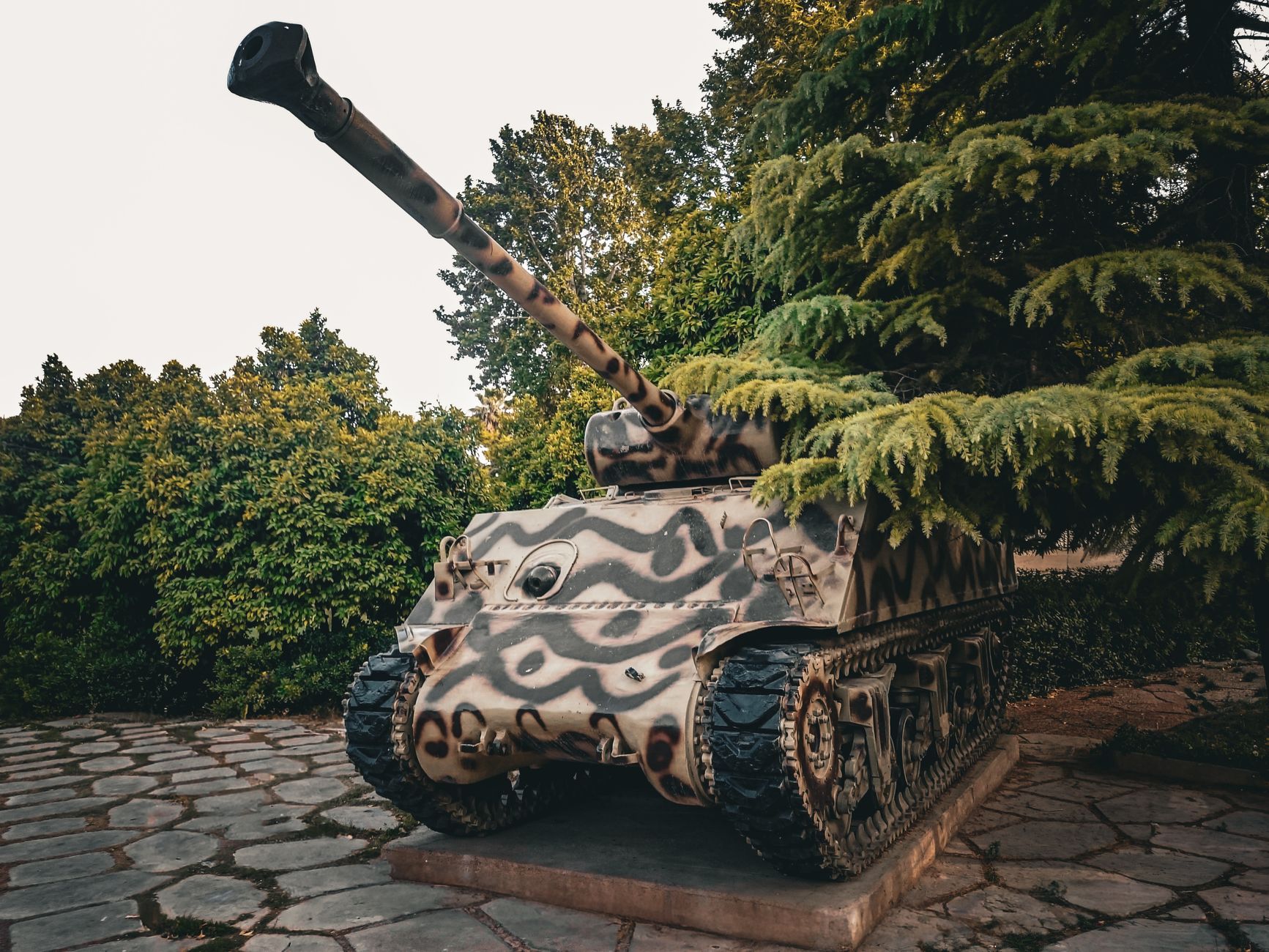
A top Iranian commander has warned that for every Iranian civilian killed in US attacks, one American soldier will be killed. The threat marks a significant escalation in rhetoric between the two nations.
In a dramatic escalation of rhetoric, a top Iranian military commander has declared that for every Iranian civilian killed in US attacks, one American soldier will be killed. Major General Ali Abdollahi, commander of the Khatam al-Anbiya Headquarters, Iran's highest military command, made the statement in a report carried by Iran's official IRNA news agency. The threat signals a hardening of Tehran's position amid ongoing tensions with Washington.
The Explicit Threat
According to IRNA, Abdollahi said: “The rule that we had already proved operational to the enemy is, from this moment, a definitive and officially declared equation of the battlefield: In return for the martyrdom of every proud citizen of Iran, one American soldier will be killed.” He also addressed US forces directly, warning that “We have prepared free, direct tickets to hell for you.” The language represents an unusually direct and public vow of retaliation, moving beyond past ambiguity in Iran's deterrent posture.
Context of Heightened Tensions
The threat comes against a backdrop of years of US-Iran confrontation, including the US withdrawal from the nuclear deal, sanctions, and targeted killings—most notably the assassination of Qasem Soleimani in 2020. While Iran has previously retaliated with missile strikes and proxy attacks, this public promise to kill US soldiers in response to civilian deaths marks a new phase. Abdollahi's statement implies that Iran considers any US action that results in Iranian civilian casualties as a red line, and it signals a willingness to escalate asymmetrically.
Implications for Regional Stability
Such a direct threat risks further inflaming an already volatile region. While it may serve as a deterrent against US strikes that could harm civilians, it also raises the stakes of any future conflict. The international community, including European allies and the United Nations, will likely view this as a provocation that complicates diplomatic efforts to ease tensions. Analysts note that the statement could be posturing aimed at domestic audiences, but if acted upon, it would represent a significant escalation in US-Iran hostilities.
Looking Ahead
As the Middle East remains on edge, this declaration will be closely monitored by military planners in Washington and Tehran. The coming weeks will reveal whether this is a rhetorical shift or a prelude to action. With no direct dialogue between the two countries, the risk of miscalculation remains high.