US, Saudi forces strike Iran-backed groups in Iraq as Hormuz tensions spike

Coordinated attacks target Tehran-aligned militias in Iraq as Saudi Arabia intercepts drones and Iran issues fresh threats over the Strait of Hormuz.
The United States and Saudi Arabia launched coordinated strikes against Iranian-aligned armed groups in Iraq on Wednesday, escalating a shadow war that threatens to engulf the region. The operation comes as Saudi air defenses intercepted multiple drones fired toward the kingdom, and Iran warned it would take 'any action' necessary to maintain control of the strategic Strait of Hormuz.
Details of the operation
According to sources familiar with the matter, the strikes targeted facilities belonging to Kata'ib Hezbollah and other Tehran-backed militias in central and southern Iraq. The attacks appeared aimed at degrading the groups' ability to launch drone and rocket attacks against U.S. and coalition forces stationed in the country. The Pentagon declined to confirm operational specifics but reiterated its commitment to protecting personnel from what it called 'Iranian-backed aggression.'
Saudi intercepts and the Houthi connection
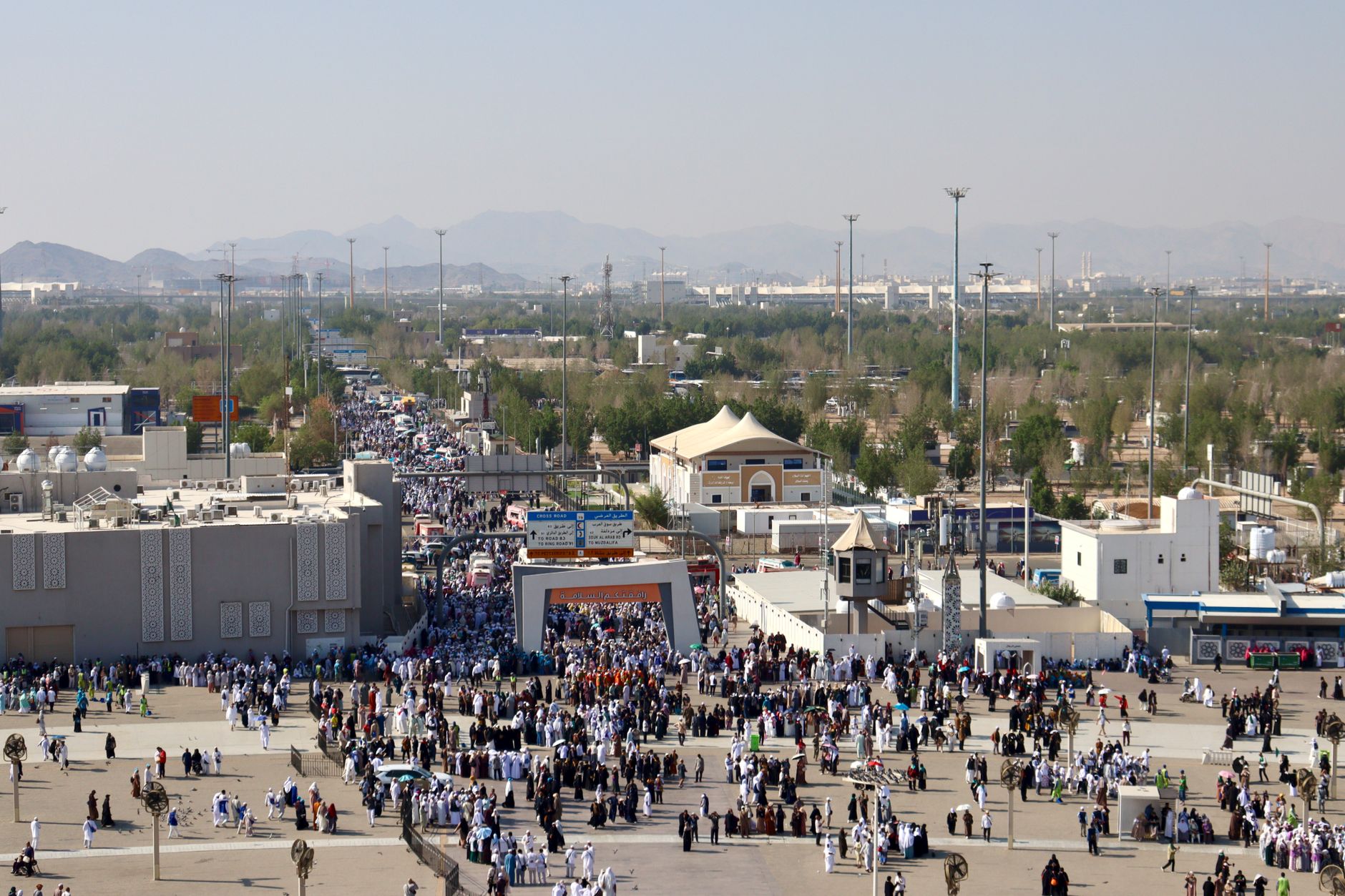
Saudi Arabia's air defense systems intercepted several drones over the southern province of Najran, officials said. While the Houthi movement in Yemen often claims such attacks, the timing suggests a broader Iranian campaign to pressure Riyadh. The Houthis, who are armed and backed by Iran, have escalated their cross-border strikes in recent weeks, often targeting Saudi airports and oil infrastructure.
Iran's warning over Hormuz
In a statement carried by state media, Iran's Islamic Revolutionary Guard Corps warned that any threat to its sovereignty over the Strait of Hormuz would be met with 'decisive action.' The strait, a chokepoint for about 20% of the world's oil, has been a flashpoint in the U.S.-Iran confrontation. Tehran has repeatedly threatened to close the waterway in response to sanctions or military pressure. The latest warning came amid reports that the U.S. has reinforced naval presence in the Persian Gulf.

Broader regional implications
The strikes and warnings mark a significant uptick in the long-running proxy war between the United States and Iran. For Iraq, the attacks risk dragging it further into the conflict, despite Baghdad's efforts to maintain neutrality. Prime Minister Mohammed Shia al-Sudani has faced growing pressure from both the U.S., which has troops in the country, and Iran-aligned factions that wield political influence. Meanwhile, oil markets have already begun to price in the risk of supply disruptions, with Brent crude rising above $90 per barrel on Thursday.
What's next
All sides appear to be bracing for further escalation. The U.S. has authorized additional defensive assets for its forces in the Middle East, and Iran has put its naval forces on alert. Diplomatic channels remain open but strained. The coming weeks could see a cycle of retaliation that neither Washington nor Tehran fully controls, with Iraq and the wider Gulf region caught in the middle.