US Launches Fresh Attacks on Iran After Trump Threat
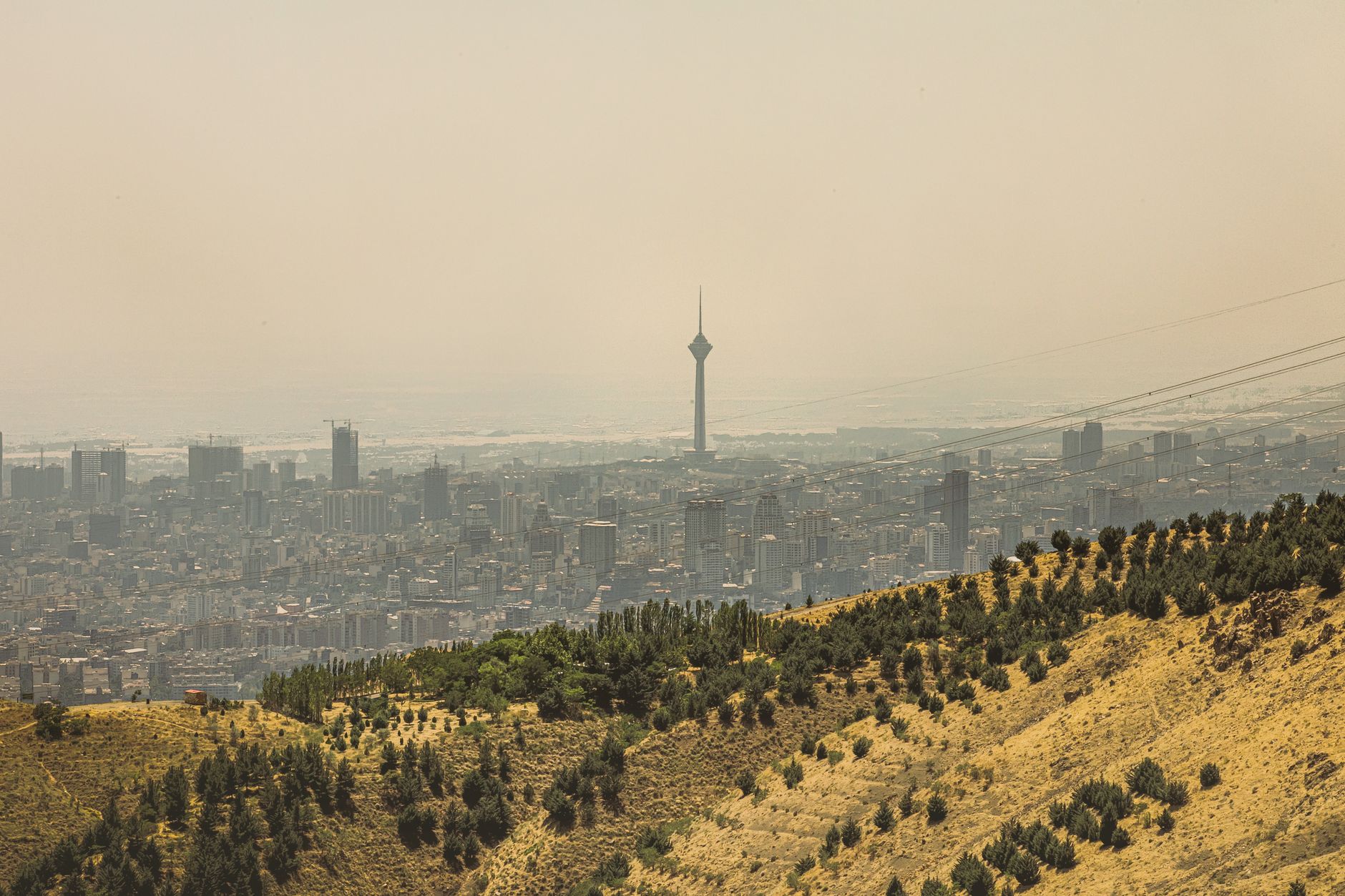
The U.S. military began a new wave of strikes against Iran hours after President Trump vowed to retaliate for an attempted attack on American forces in Jordan. The operation marks a significant escalation in tensions.
The United States military launched a new wave of attacks against Iranian targets late Wednesday, U.S. Central Command announced, hours after President Donald Trump vowed to hit Iran “very hard” following an attempted Iranian assault on U.S. forces stationed in Jordan. The strikes represent a major intensification of hostilities between the two nations, which have been locked in a shadow conflict for years.
Trump's Vow Triggers Swift Retaliation
Earlier Wednesday, President Trump declared that the United States would respond forcefully to what he characterized as an Iranian-backed attempt to strike American troops in Jordan. “We will hit them very hard,” Trump said in a statement, without specifying the nature of the retaliation. The attempted attack, which the White House blamed on Iran, did not result in casualties, but it was deemed a serious provocation. Hours later, U.S. Central Command announced the initiation of airstrikes against Iranian military assets, though it did not disclose specific targets or locations.

Details of the Military Operation
According to a brief statement from U.S. Central Command, the strikes were conducted in the early hours using both manned and unmanned aircraft. The command said the operation was aimed at “degrading Iran’s ability to conduct future attacks” against U.S. personnel and allies. Military officials declined to provide further details, citing operational security, but sources indicated that the strikes targeted Iranian Islamic Revolutionary Guard Corps (IRGC) facilities in Syria and possibly inside Iran itself. The scale of the operation appears more extensive than previous retaliatory strikes, signaling a potential shift in U.S. strategy.
Regional Tensions at a Boiling Point
The new wave of attacks comes amid a volatile period in the Middle East, where Iranian-backed militias have stepped up operations against U.S. forces in Iraq and Syria. The attempted strike in Jordan, a key U.S. ally, prompted alarm in Washington because it demonstrated Iran’s willingness to expand the theater of conflict. Analysts suggest that the U.S. response is designed to deter further aggression, but it also risks triggering a broader confrontation. Iran has not yet publicly responded to the latest strikes, but its proxy groups may retaliate by targeting American assets or allies in the region.

Implications for U.S.-Iran Relations
The escalation comes at a delicate time, as diplomatic channels between Washington and Tehran have been largely dormant. The Trump administration has pursued a policy of maximum pressure, but direct military engagement had been limited. With this new wave of attacks, the United States appears to be shifting from a posture of deterrence to one of active coercion. Experts warn that without a clear off-ramp, the cycle of strikes and retaliation could spiral into a full-scale conflict. The coming days will be critical: Iran’s next move will determine whether the situation de-escalates or descends further into open warfare.