US Strikes Enter 12th Day, Hit Near Iran Nuclear Plant
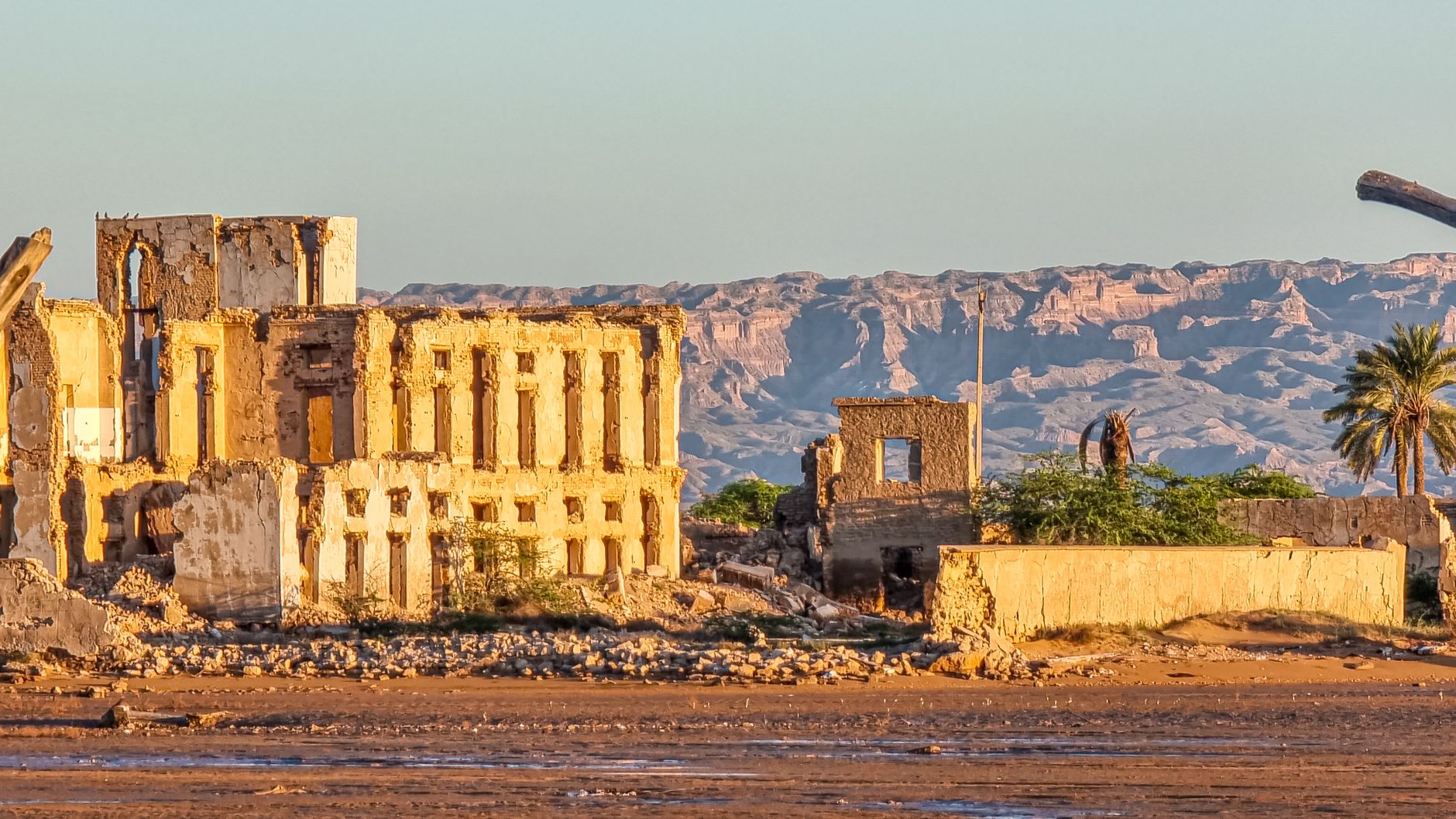
U.S. Central Command launched new strikes on Iran for the 12th consecutive day, with Iranian media reporting a missile strike on the province housing the Bushehr nuclear plant.
The United States carried out a fresh wave of airstrikes on Iran early Thursday, marking the 12th consecutive day of military operations, as Iranian state media confirmed that a missile strike hit the province that houses the nation's only operating nuclear power plant. The announcement by U.S. Central Command signals an intensification of the campaign against Iranian targets, with the strike on the Bushehr province raising new concerns about the conflict's trajectory.
Escalating U.S. Military Campaign
The latest strikes extend a pattern of daily attacks that began 12 days ago. U.S. Central Command characterized the operations as part of ongoing efforts to degrade Iranian military capabilities. While the specific targets were not disclosed, the breadth and persistence of the campaign suggest a strategic shift in U.S. posture toward Iran. The strikes have drawn international attention, with calls for restraint from several allies. The sustained bombing campaign has provoked strong reactions from regional powers, with some calling for de-escalation and others expressing solidarity with Iran.
Bushehr Province in the Crosshairs
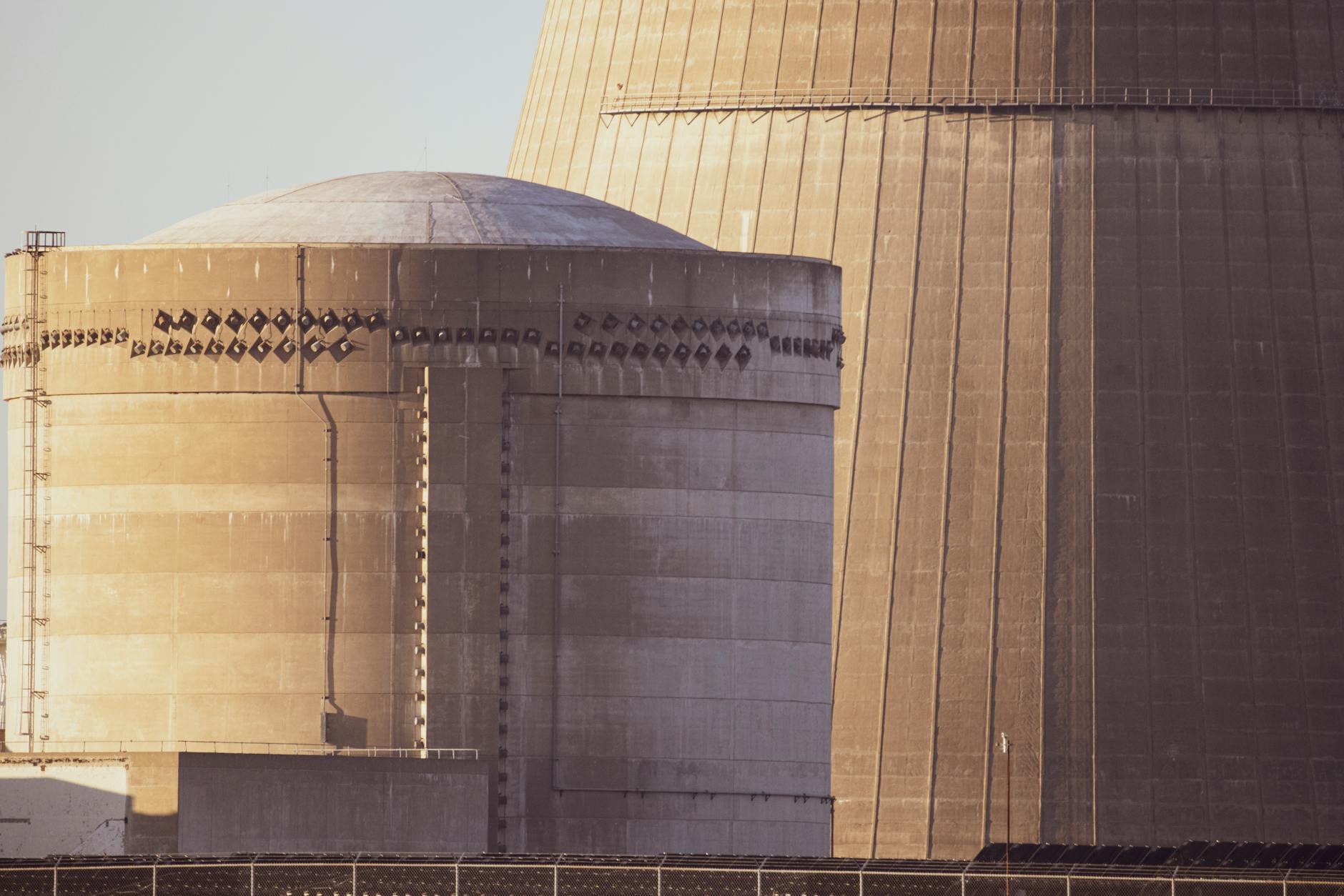
Iranian state media reported that the strike hit a location within Bushehr province, which is home to the Bushehr Nuclear Power Plant—Iran's only operational nuclear reactor. The plant, a focal point of international concerns over Iran's nuclear program, operates under the supervision of the International Atomic Energy Agency. The precise target of the missile strike remains unclear, but any proximity to the nuclear site raises alarms about potential radiological risks. Iran has not reported damage to the plant itself, and the facility continues to operate normally, according to state officials. The strike marks the first time a nuclear-related region has been directly affected by the ongoing U.S. attacks.
Regional and Global Fallout
The strikes come amid heightened tensions between Washington and Tehran. The United Nations has urged both sides to avoid further escalation, emphasizing the need for diplomatic solutions. The targeting of a province with a nuclear facility could complicate efforts to revive the 2015 nuclear deal, which has been in limbo. Regional reactions have been mixed: Saudi Arabia and the United Arab Emirates have expressed concern over the widening conflict, while Iraq and Turkey have called for restraint. Iran's allies, including Syria and Hezbollah, have condemned the strikes and vowed solidarity. The international community watches closely as the risk of miscalculation grows.
Implications and Next Steps
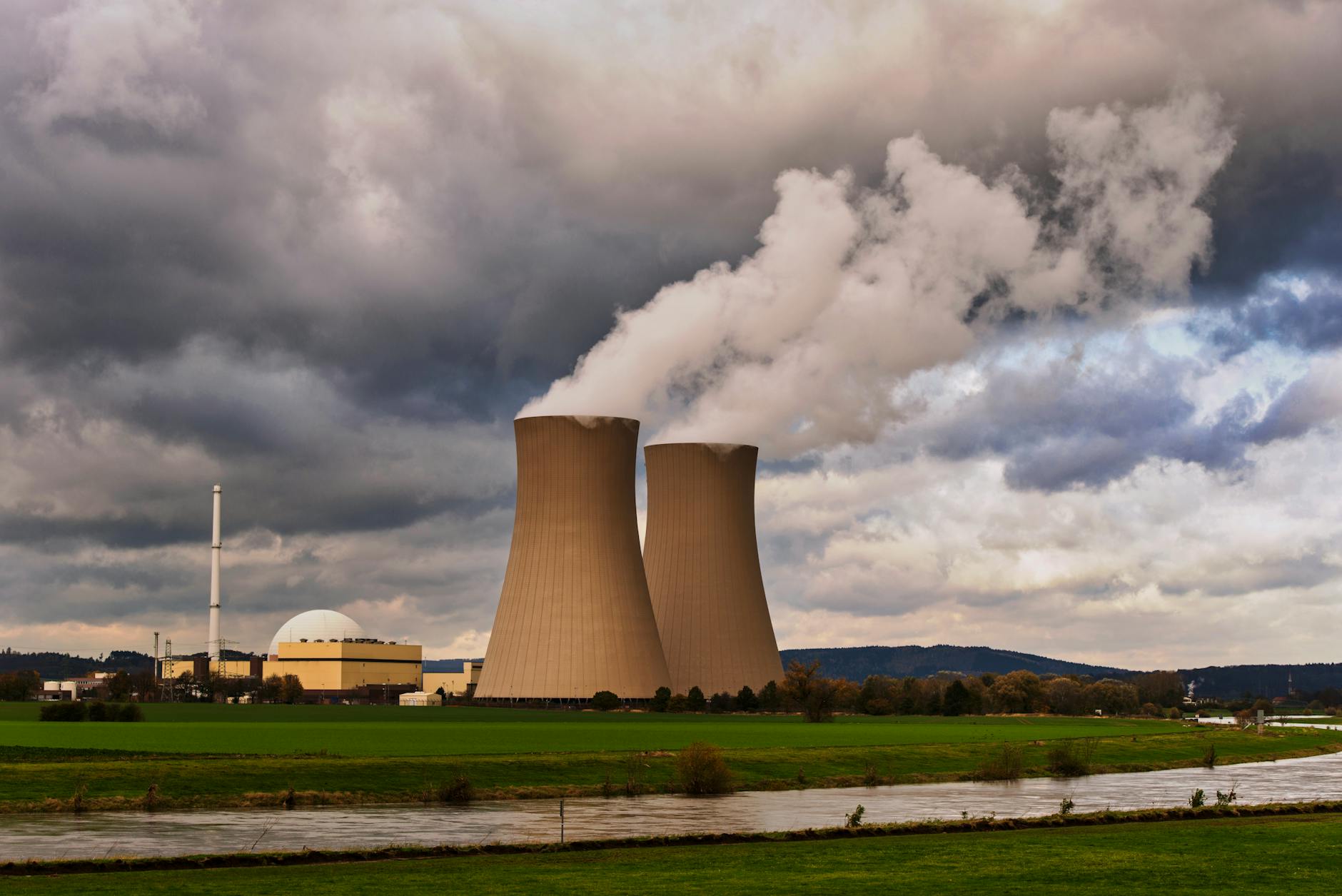
As the U.S. presses forward with its 12th day of strikes, the situation remains volatile. Iran's response has been measured so far, but the hit on Bushehr province could provoke a stronger retaliation. Analysts predict that the conflict may expand if either side miscalculates, potentially drawing in regional proxies. Diplomatic channels are reportedly active behind the scenes, with Qatar and Oman mediating. The coming days will be critical in determining whether the strikes achieve their military objectives or push the region closer to a wider war. For now, the world waits to see if the pattern of daily attacks will break or escalate further.