Iran: US must accept ‘irreversible’ Strait of Hormuz order
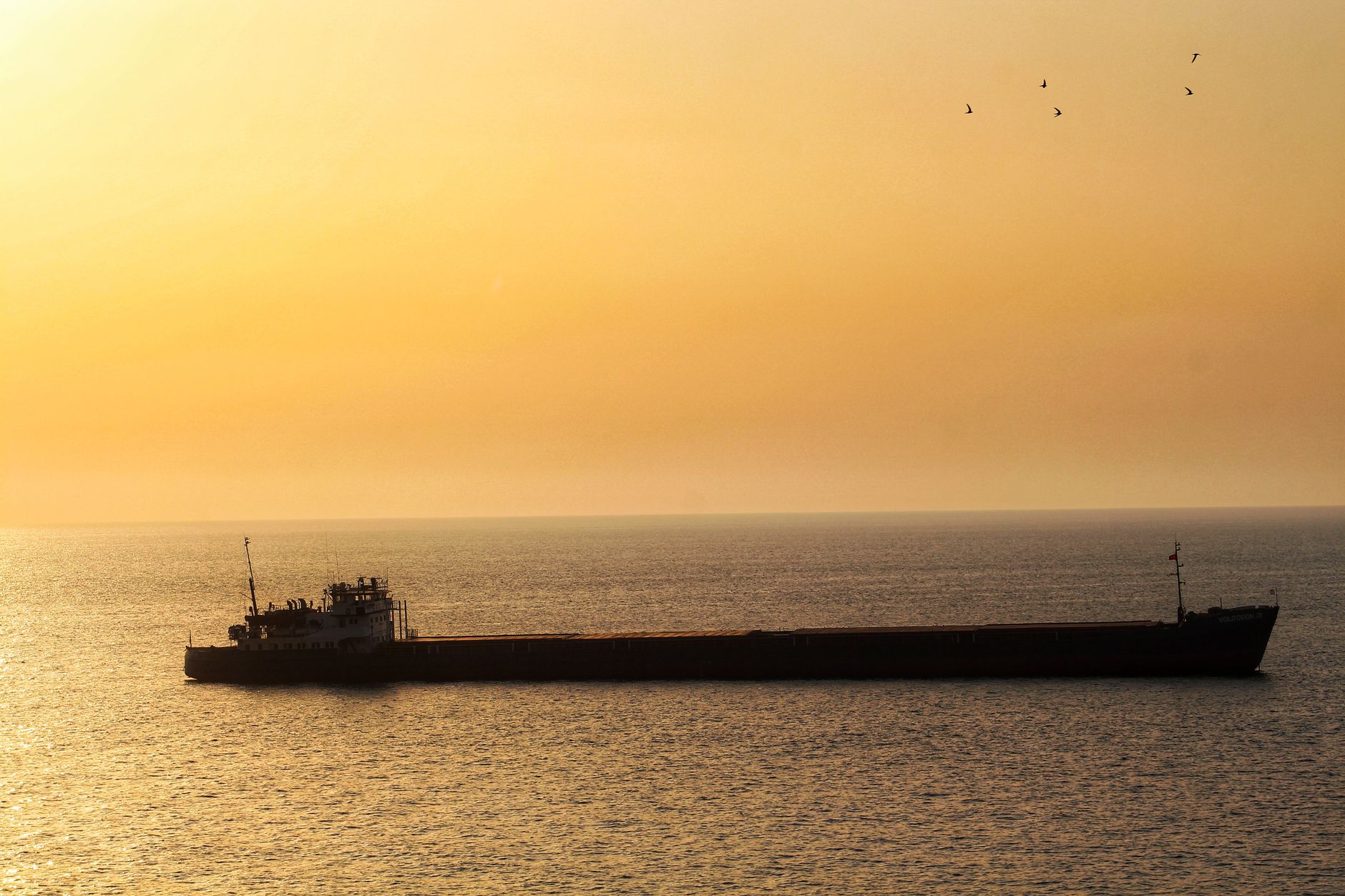
Tehran declares its new maritime order in the Strait of Hormuz non-negotiable, warning Washington of severe costs. A top Iranian general says the US must accept the status quo.
Iran’s army spokesman has declared that the new order Tehran has established in the Strait of Hormuz is irreversible, and warned the United States that it faces significant consequences if it refuses to accept the change. The comments, reported by the official IRNA news agency, mark a sharp escalation in the long-running standoff over one of the world’s most critical maritime chokepoints.
Iran’s Message to Washington
Brigadier General Amir Akraminia said in remarks carried by IRNA that no external pressure can reverse what Iran has already put in place in the strait. “The United States has no choice but to accept the existing situation,” he said, adding that rejection would draw costs “far greater than those it has faced” previously. His statement did not specify exactly what the new order entails, but it follows years of Iranian maneuvers, seizures of commercial vessels, and threats to disrupt oil shipments through the narrow waterway.
The general’s firm tone suggests Tehran believes it has already achieved a strategic shift in the region, one it views as a fait accompli. By framing the situation as irreversible, Iran is attempting to define the terms of its standoff with Washington, making clear that any U.S. attempt to alter the status quo would be met with retaliation.

The Strategic Importance of the Strait
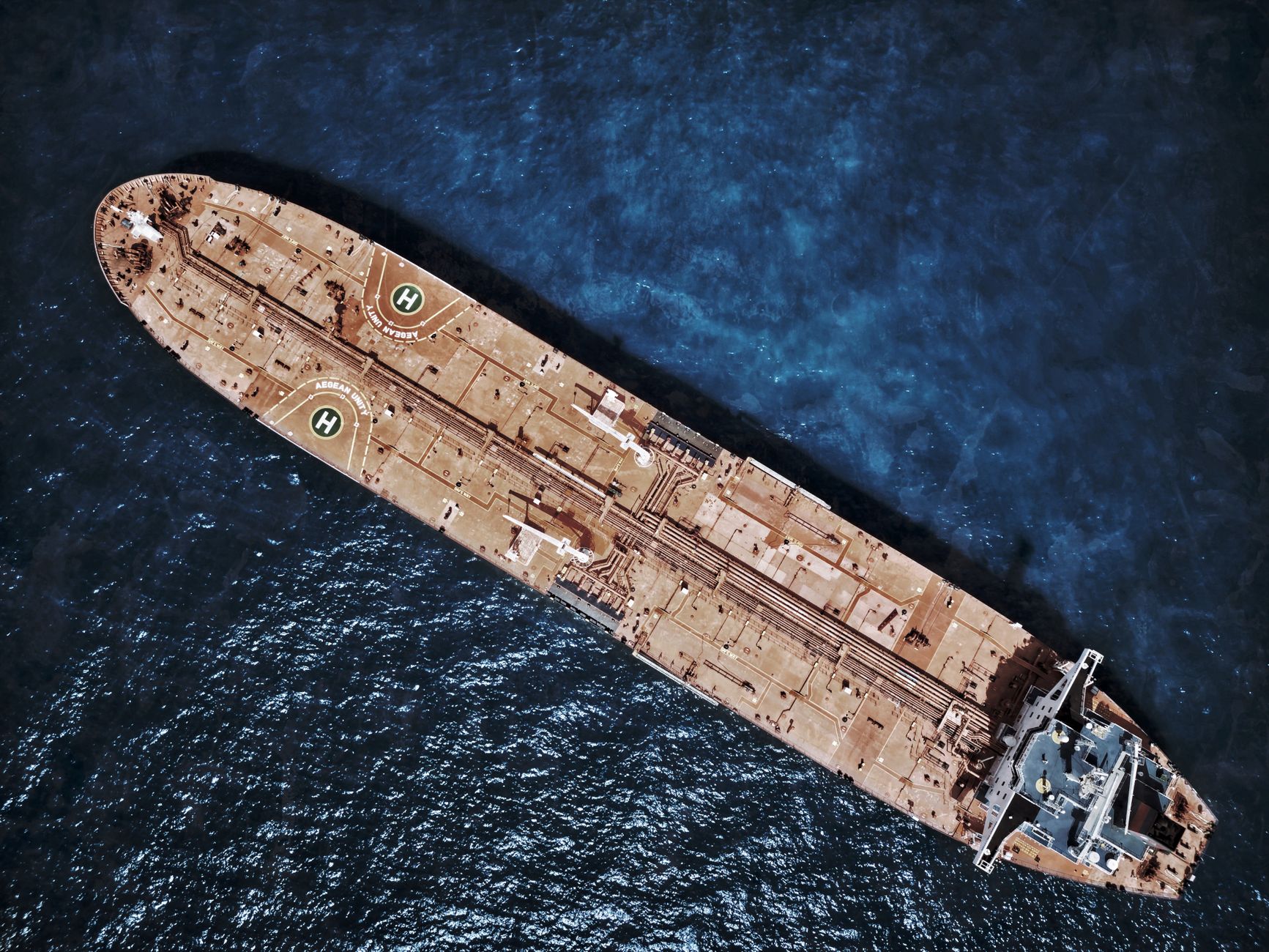
The Strait of Hormuz sits between Iran and Oman and is the world’s most important oil transit corridor. Roughly one-fifth of global petroleum consumption passes through the waterway daily, making it a vital artery for international energy supplies. Iran has long used the strait as a lever of regional influence, periodically threatening to close it or harassing tankers when tensions with the West escalate.
The United States has maintained a significant naval presence in the region for decades, with the U.S. Fifth Fleet based in neighboring Bahrain. Past confrontations have included skirmishes between Iranian speedboats and U.S. warships, as well as Iranian seizures of tankers with dual nationalities. Washington has repeatedly vowed to keep the strait open to international shipping, a position that now directly clashes with Iran’s new posture.
Analysts see Akraminia’s statement as part of a broader pattern of Iranian brinkmanship. By declaring the order immutable, Iran is signaling both to the United States and to global markets that the rules in the strait have changed, and that the international community must adapt to Tehran’s priorities.
What ‘Irreversible’ Means in Practice
The use of the word “irreversible” is carefully chosen. It implies that Iran considers the situation settled and that attempts to push back would be treated as aggression. This could signal a more assertive Iranian military posture, perhaps including more frequent inspections of cargo ships, changes in navigational protocols, or even the enforcement of new restrictions on maritime traffic.
Iran has previously threatened to mine the strait, though such an act would likely invite a massive military response. More plausibly, the “new order” may refer to a heightened state of readiness and a willingness to confront U.S. or allied vessels more directly. The ambiguity is itself a strategic tool, leaving Washington uncertain about where the red lines are and raising the risk of miscalculation.
For global oil markets, the prospect of disruptions in the strait is a serious concern. Any perceived threat to shipping there typically triggers spikes in crude prices. While Iran’s statement does not explicitly call for closing the strait, the suggestion that the existing situation is non-negotiable is enough to unsettle traders and insurers.
Looking Ahead
The international response to Iran’s declaration will be crucial. Washington has not yet issued an official reaction, but it is certain to face what Akraminia described as an unavoidable choice: accept a new reality in the strait, or risk costly confrontation. In the past, the United States has opted for a show of force during such standoffs, including sending aircraft carrier strike groups to the region. However, with tensions already running high across the Middle East, further escalation could have unpredictable consequences.
Iran’s announcement also raises questions about broader nuclear diplomacy and regional security. If Tehran pushes too hard, it could galvanize an international coalition against it; if it gauges the move correctly, it may succeed in reshaping the maritime environment in its favor without provoking direct conflict. In the coming weeks, watch for concrete changes in the strait’s shipping patterns and any U.S. military movements in response. The world is watching to see whether Iran’s “irreversible” order will become a fixture of the region’s geopolitical landscape.