Hormuz deal nears final stage as Iran, Oman talk, Trump hints breakthrough
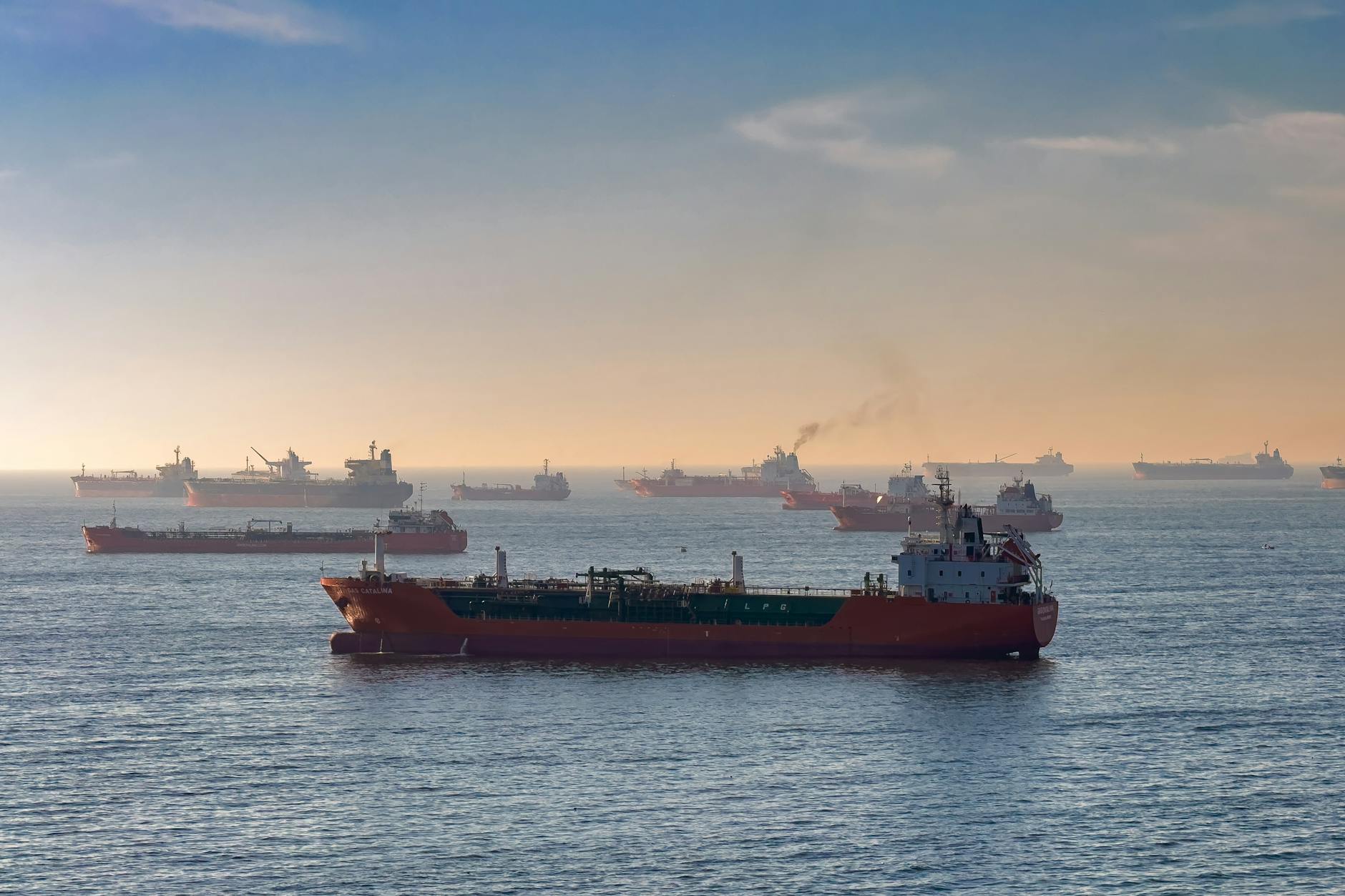
Iran says an agreement with Oman over the Strait of Hormuz is in its final stages, and President Trump hints a deal could be announced within days. The breakthrough could ease a blockade that has disrupted global shipping.
In a significant diplomatic development, Iran announced that an agreement with Oman over the Strait of Hormuz is in its final stages, while President Donald Trump indicated a deal could be unveiled within days, raising hopes of easing a blockade that has disrupted global shipping and fueled months of regional conflict. The statement, carried by Iranian state media on Tuesday, marks a potential turning point in a standoff that has rattled international markets and drawn repeated military warnings from Tehran.
A Critical Chokepoint at Risk
The Strait of Hormuz, a narrow waterway between the Persian Gulf and the Gulf of Oman, is one of the world's most vital maritime routes. Roughly 20% of global oil consumption passes through it, making any threat to shipping there an immediate trigger for price spikes and supply-chain anxiety. In response to escalating tensions with the United States and its allies, Iran had previously threatened to close the strait, a move that would effectively strangle energy exports from Saudi Arabia, Iraq, the UAE, and other Gulf producers.
Since then, a de facto blockade has been in place, with Iranian naval forces regularly harassing commercial vessels and seizing tankers. The disruptions have forced shipping companies to reroute or pause operations, driving up insurance costs and delaying deliveries of crude and liquefied natural gas. The conflict has also deepened regional polarization, with the U.S. deploying additional warships and Iran conducting live-fire exercises.

Diplomatic Backchannel Yields Progress
Oman, which shares maritime boundaries with Iran and has long served as a diplomatic intermediary in Middle East crises, appears to have played a pivotal role in bridging the gap between Tehran and Washington. Iranian officials said the agreement now in its final stage would involve coordinated patrols and a mutual commitment to ensuring safe passage for commercial traffic. Omani mediators have been shuttling between the two capitals for months, and President Trump’s recent openness to a deal—signaled in both public remarks and back-channel communications—has accelerated progress.
Analysts say the proposed pact is unlikely to address the broader nuclear dispute or sanctions relief but could serve as a confidence-building measure. For Iran, a stable strait means continued revenue from its own oil exports, which have been severely curtailed by U.S. sanctions. For Washington, a breakthrough would reduce the risk of a direct military clash at a time when U.S. forces are stretched across multiple theaters.
Implications for Global Markets and Security
A formal agreement would likely bring immediate relief to global shipping, allowing tankers to return to normal routes and easing insurance premiums. Oil prices, which have swung violently on news from the strait, could stabilize if the deal is signed and implemented. Analysts caution, however, that a written accord is only the first step; verifying compliance and preventing rogue actors from disrupting traffic will require ongoing cooperation.
Security experts also note that any agreement between Iran and Oman does not automatically end the broader confrontation with the United States. The two countries remain at odds over Iran's nuclear program, ballistic missile development, and regional proxies. Yet a functioning strait could lower the temperature, creating space for future diplomacy on other issues.
What to Watch Next
With both sides signaling readiness, the odds of a concrete announcement in the coming days now seem higher. Observers will be watching for details on the scope of the deal, including transit corridors, monitoring mechanisms, and whether the U.S. will formally endorse it. Iranian foreign ministry officials have said technical talks are nearly complete, and a signing ceremony could be held in a neutral venue, possibly Oman.
If finalized, the agreement would be a rare positive development in a region marked by confrontation. But the road to implementation may still be bumpy. Iran has previously walked away from commitments, and hardliners in both Tehran and Washington could resist any perception of concession. Still, for global markets and seafarers, the hope that the strait will reopen without incident is a powerful motivator for all sides to follow through.