Iran strikes: Trump mulls 'massive attack' as 13th night of bombing begins
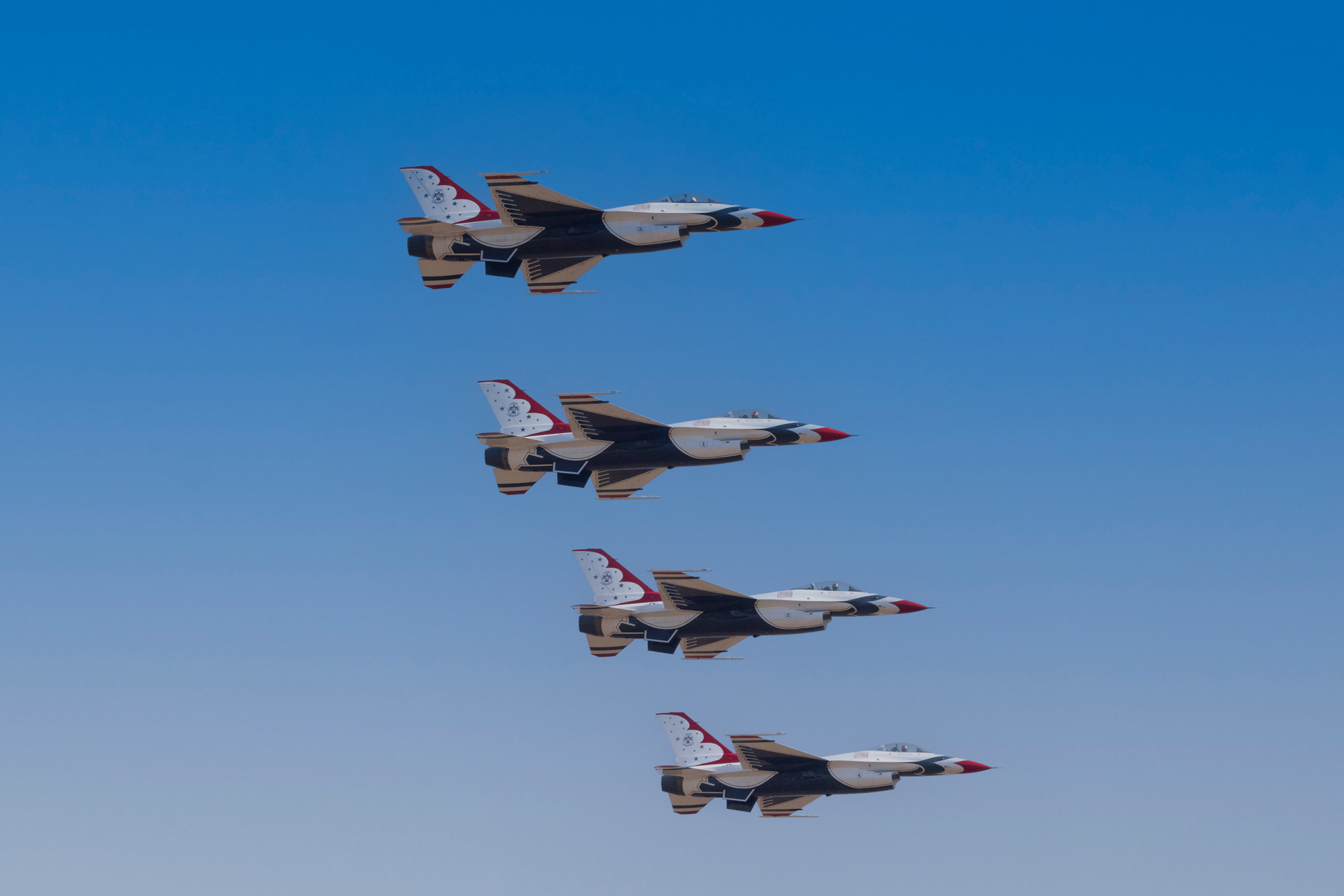
President Trump is considering escalating military strikes on Iran to 'massive attack' levels, as U.S. airstrikes continue for a 13th consecutive night.
The United States is pressing ahead with its 13th consecutive night of airstrikes against Iranian military targets, as President Donald Trump considers ramping up attacks to a level that officials describe as a 'massive attack,' according to two senior administration officials.
Escalation Options Under Review
President Trump is weighing a range of options to dramatically intensify American military strikes on Iran, two senior administration officials told ABC News. Among the possibilities under consideration is a return to the full-scale bombardment seen during the opening days of Operation Epic Fury—and potentially even beyond that. The officials pointed to Secretary of State Marco Rubio's remarks earlier Thursday, in which he said Iran would pay a disproportionate price for its actions, far exceeding an 'eye for an eye.' Rubio, speaking at the ASEAN Summit in the Philippines, declared: 'The president's policy is a head for an eye. I mean, honestly, that's what it's going to be. They will pay a very heavy price.'

Continued Strikes and Naval Blockade
U.S. Central Command confirmed that airstrikes against Iranian military targets are ongoing for the 13th straight night. The strikes, CENTCOM said, are intended to hold Iran accountable and reduce threats from the Islamic Revolutionary Guard Corps to commercial shipping. Meanwhile, the U.S. naval blockade of Iranian ports, resumed nine days ago, has resulted in 12 commercial vessels being redirected and one being disabled to prevent entry or exit from Iranian coastal areas. In a social media post Thursday, Trump asserted that any further damage to ships, cargo, or related property will be paid for using Iranian assets that the United States has seized and controls. The president did not specify the locations or which seized assets would be used, but he described the measure as 'fair and equitable.'
Strategic Flashpoint: Strait of Hormuz
Despite opening negotiations in June aimed at a war-ending deal based on a memorandum of understanding, both the U.S. and Iran have continued to exchange strikes. The strategic Strait of Hormuz remains the primary flashpoint, with the U.S. military intensifying its campaign to secure the waterway. The 13-night bombing campaign, which began after Trump announced 'major combat operations' against Iran on Feb. 28, has targeted military, government, and infrastructure sites in coordinated U.S.-Israeli strikes.

Implications and Next Steps
The potential escalation to a 'massive attack' signals a shift in U.S. strategy, moving from sustained pressure to potentially overwhelming force. Rubio's 'head for an eye' rhetoric underscores an administration determined to impose costs far beyond proportional retaliation. As negotiations continue in the background, the escalation of military operations risks deepening the conflict and drawing in regional powers. The coming days will reveal whether Trump opts for the full-scale offensive his officials are preparing or maintains the current tempo of strikes.