Iran Launches Ballistic Missiles at U.S. Base in Jordan
Iran fired multiple ballistic missiles at a U.S. base in Jordan on Tuesday, the first such attack since Trump paused airstrikes. All missiles were intercepted, but the strike threatens to unravel the fragile diplomatic pause.
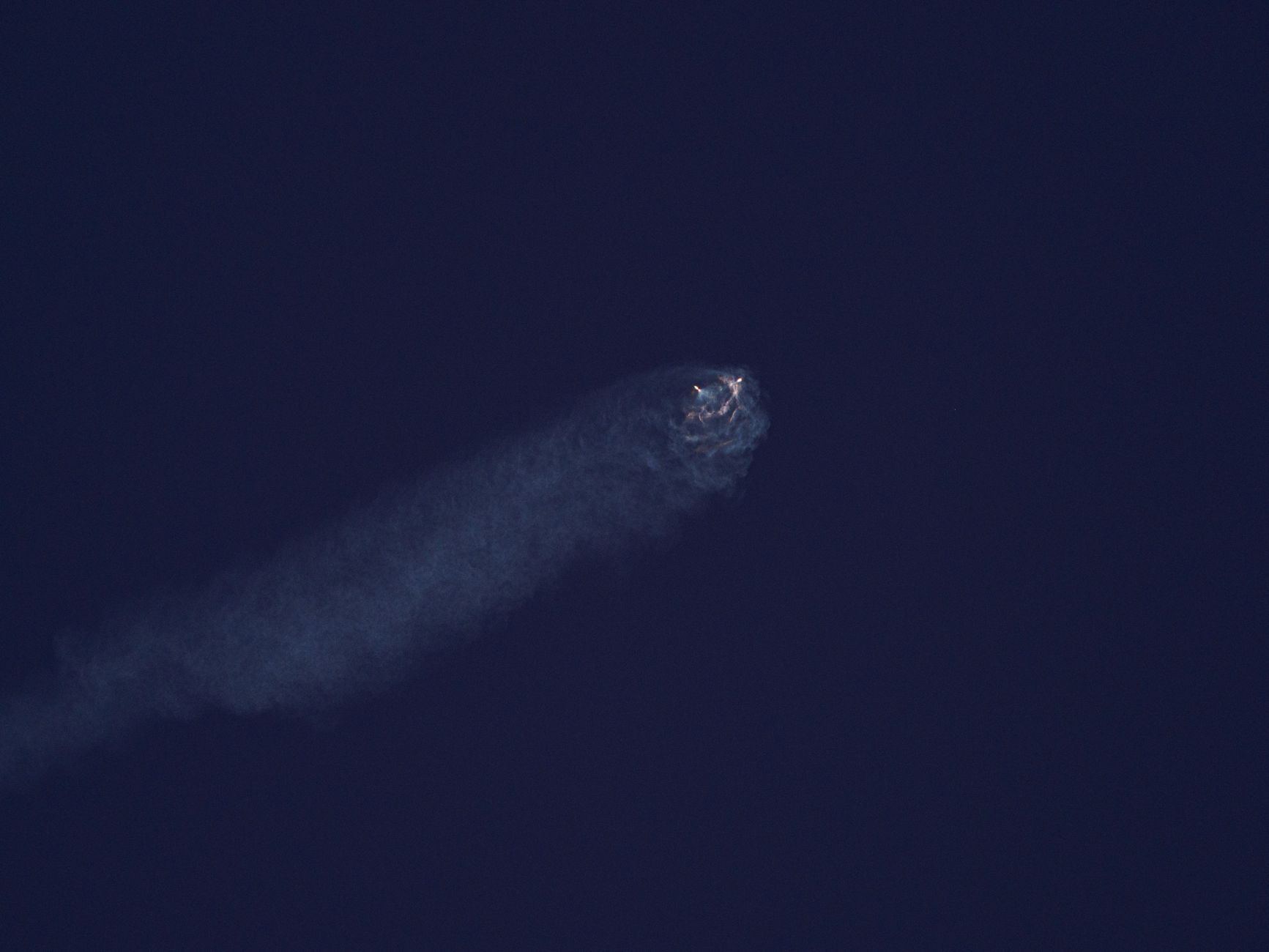
Iran launched multiple ballistic missiles toward a U.S. military base in Jordan on Tuesday in what American commanders described as an attempted surprise attack. All of the missiles were intercepted, U.S. Central Command said, but the assault marks the first direct Iranian missile strike on a U.S. base since President Donald Trump paused airstrikes on Friday to give diplomacy a chance. The attack threatens to force a decision on whether to resume military action.
The Attack and Immediate Response
U.S. Central Command said forces from Iran's Islamic Revolutionary Guard Corps launched the missiles at 5:45 p.m. Eastern time. The command said U.S. forces remain vigilant and at a high state of readiness. In a separate action hours later, American and Saudi fighter aircraft struck multiple logistics and weapons sites in eastern Iraq, according to CENTCOM. The strikes were a response to more than 30 IRGC-directed drone attacks over the previous 72 hours. Saudi Arabia's Defense Ministry confirmed its participation, saying the operation was coordinated with U.S. Central Command. CENTCOM said the attacks on U.S. forces were unsuccessful and called on the IRGC and its proxies to cease such actions to avoid further American military response.

Diplomatic Context: Trump's Pause and Warning
President Trump paused the U.S. bombing campaign against Iran on Friday after 13 nights of strikes, saying he wanted to give negotiations a chance. In an interview with Axios on Monday, Trump said the United States was in very deep talks with Iran but warned that he would return to very strong military action if diplomacy failed. Not much time, Trump said when asked how long he was willing to give the negotiations. Either it goes fast or not at all. The missile launch came hours after Trump met Israeli Prime Minister Benjamin Netanyahu at the White House for talks heavily focused on Iran. The White House described the meeting as positive and productive.
Broader Escalation and Risks
Iran previously targeted Jordan earlier this month with a missile and drone barrage that killed two U.S. service members. That attack prompted Trump to intensify his campaign of strikes. Since then, tensions have remained high. CENTCOM reported that between February and April 2026, Iran-aligned militias in Iraq attempted more than 600 attacks on U.S. citizens and facilities. Tuesday's missile launch represents the first direct Iranian ballistic missile attack against a U.S. base since Trump paused operations. The assault risks unraveling the fragile pause and could force Trump to decide whether to resume military action. Analysts warn that Iran may be testing the limits of American patience while trying to exert pressure ahead of any negotiations.
The coming days will be critical. With Trump's warning that diplomacy must move fast or not at all, and Iran's willingness to launch missiles even as talks are underway, the path to de-escalation appears increasingly narrow. Washington and its allies now face the question of whether to respond militarily or redouble diplomatic efforts to contain the crisis.